The strategic logic behind a vote held just before the fiscal window closed
When the members of Benin’s upper parliamentary chamber gathered at their temporary Cocotiers base in Cotonou on Thursday, 17 September 2026, the agenda item looked routine: reviewing and formally approving the institution’s own operating and investment budget for the 2027 financial year. But the deeper story lies not in the figures themselves — it lies in the calendar, the sequencing and the institutional mechanics that made this vote unavoidable at this precise moment.
Two days that shaped the chamber’s financial architecture
This deliberation came only forty-eight hours after the same assembly had signed off on its own administrative and financial rulebook. That short interval is revealing. It shows a young institution deliberately locking its procedural foundations into place before turning to the money — a sign that the chamber’s leadership wanted the rules of the game settled before allocating the resources to play it.
Why approving a budget before the end of September is not optional
The envelope approved here, estimated in the billions of CFA francs according to figures shared by a senator, was never really a discretionary matter. Benin’s budgetary framework imposes a strict legal requirement: any institution that wants its resource allocations folded into the state’s general finance bill must finalise its own financial forecasts before the end of September.
By meeting that deadline, the Senate ensured its funding lines could be integrated on time into the broader national budget document, which is set to be forwarded to the National Assembly in the coming weeks for scrutiny and a vote. Missing the window would have meant negotiating from a position of weakness later in the cycle.
A chamber equipped, at last, for its constitutional mandate
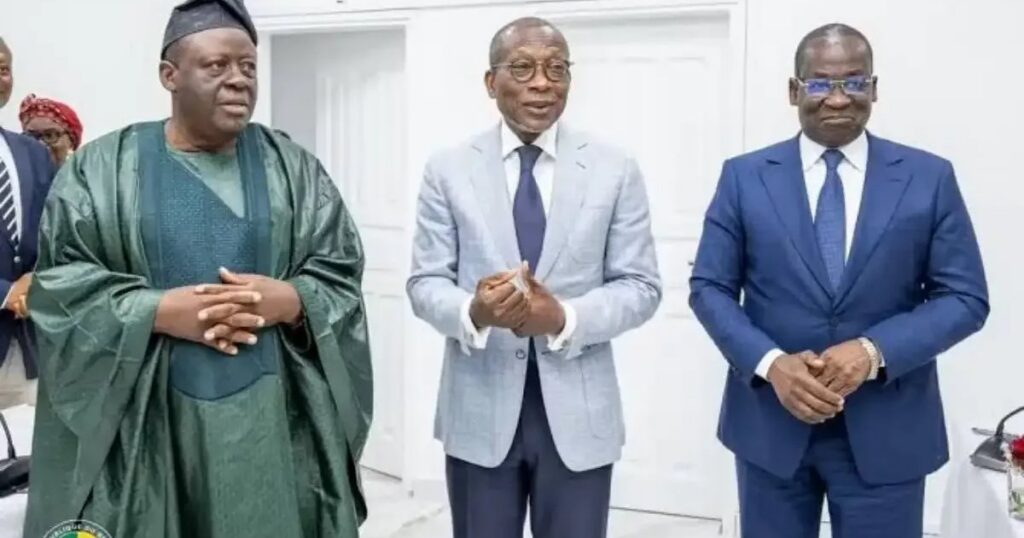
The plenary was led by Patrice Talon, supported by members of the bureau and in the presence of senior political figures sitting in the chamber. With this approval, the Senate has now formally secured the financial means to carry out its constitutional duties over the coming year — closing a chapter of institutional setup and opening one of operational work.