Double-edged digital tools: youth navigate social media’s paradox
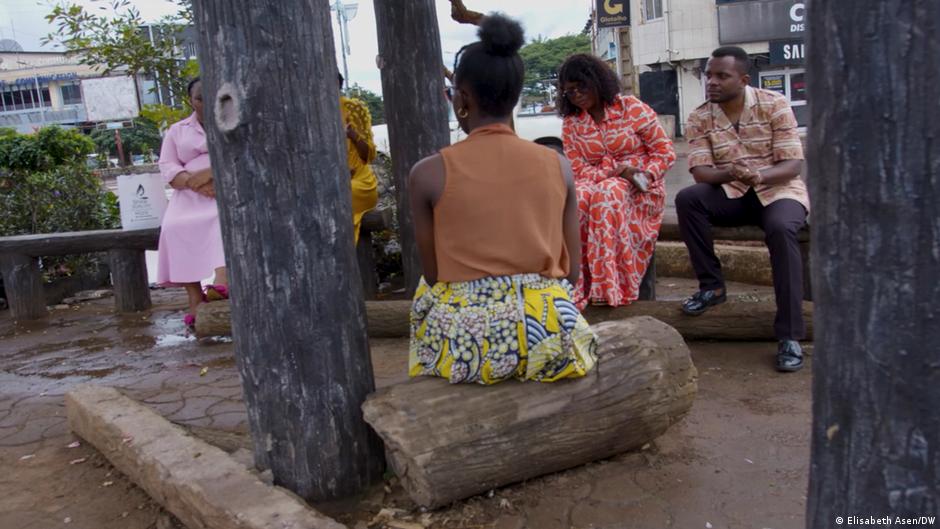
In 2026, Cameroon’s young population stands at a digital crossroads where social media serves as both a catalyst for opportunity and a minefield of risks. During the #PasSansElles forum, young Cameroonians—entrepreneurs, influencers, and journalists—came together to dissect how platforms like Facebook, Twitter, and TikTok are reshaping their lives, careers, and social landscape.
Where connection meets consequence
Participants highlighted the undeniable benefits of digital networking: launching startups, accessing global markets, and amplifying marginalized voices. For instance, local content creators shared how social media has become their primary source of income, while activists described using platforms to mobilize communities around social justice causes.
Yet the same tools that empower can also endanger. The forum uncovered disturbing trends—image theft, misinformation campaigns, and digital addiction—that are eroding privacy and mental health. One influencer revealed how doctored videos of her work had gone viral, damaging her professional reputation overnight. Others confessed to struggling with constant comparison to curated online personas, leading to anxiety and self-doubt.
What young Cameroonians really demand from their digital future
- Digital literacy as a priority: Participants called for mandatory media education in schools, teaching young users to verify sources, spot deepfakes, and recognize manipulative algorithms.
- Stronger platform accountability: Many argued for regulatory frameworks that hold social media companies responsible for harmful content, citing the need for age verification and privacy protections.
- Balanced content consumption: Influencers and entrepreneurs emphasized the importance of curating feeds to include educational and inspirational content—not just entertainment.
Beyond the screen: redefining digital citizenship
The debate extended beyond personal use, with young leaders proposing initiatives to use social media as a force for national development. Ideas included:
- Creating digital cooperatives to support youth-led businesses
- Launching campaigns against online harassment and cyberbullying
- Developing local alternatives to foreign platforms to retain data sovereignty
Key takeaway: agency over algorithms
The forum’s conclusion was clear: social media’s impact on Cameroon’s youth isn’t predetermined—it’s a choice. Participants agreed that while platforms offer unmatched opportunities, their responsible use depends entirely on awareness, education, and collective action. The young generation isn’t just adapting to the digital age—they’re fighting to shape it.