A significant shift in the ideological framework of Burkina Faso has been established through a new administrative directive. Effective from June 1, all public institutions are now required to employ the term “comrade” when addressing citizens and service users.
This measure is a central component of the “progressive and popular revolution” championed by the transition authorities under the leadership of Captain Ibrahim Traoré. The move signifies a profound symbolic departure from the administrative protocols inherited from the colonial era.
A strategic shift in political semantics
The transition from traditional honorifics such as “Monsieur” and “Madame” to “Comrade” represents more than a linguistic change. For the executive branch in Burkina Faso, this mandate is designed to cultivate a sense of absolute equality between the state and its people, while simultaneously strengthening national unity amidst a challenging security environment.
The government has outlined three primary objectives for this transition:
- Dismantling hierarchies: The policy aims to remove traditional protocol barriers between state officials and the public, creating a more accessible administration.
- Promoting national cohesion: By fostering a strong, egalitarian collective identity, the authorities seek to unify the nation against existential threats.
- Asserting sovereignty: The directive seeks to distance the country from Western formalisms, which the current administration views as remnants of bourgeois or colonial influence.
Reviving the legacy of Thomas Sankara
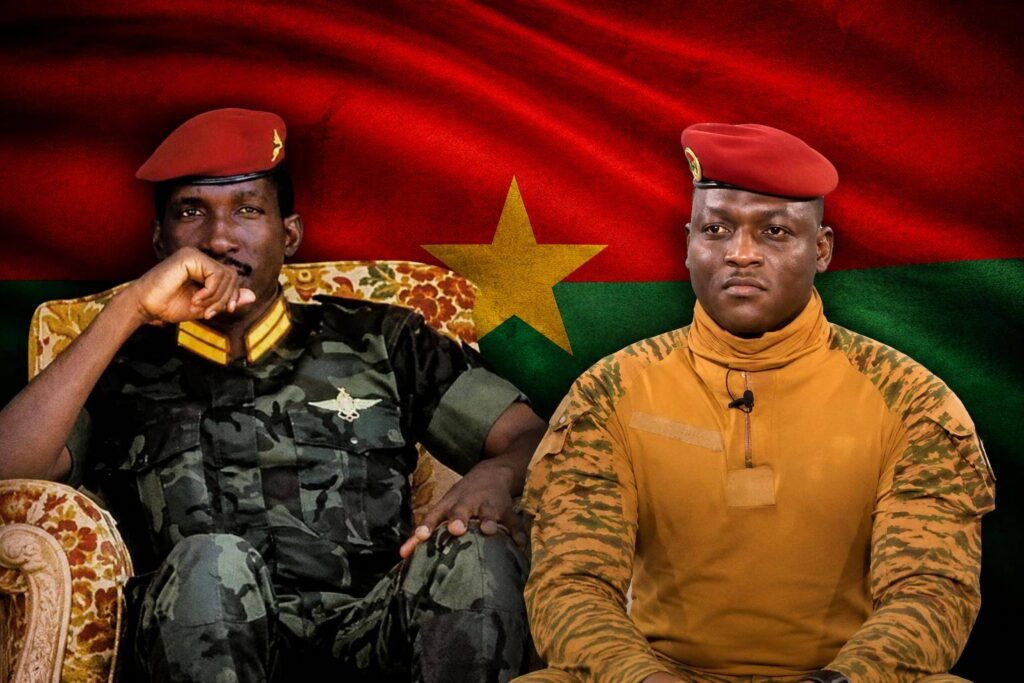
Political analysts note that this decision serves as a direct tribute to the Democratic and Popular Revolution led by Captain Thomas Sankara from 1983 to 1987. During that period, the term “comrade” was the cornerstone of revolutionary culture and rhetoric.
By reintroducing this vocabulary, the current leadership appears to be tapping into the historical and popular legitimacy of Thomas Sankara, a figure who continues to inspire the youth of Burkina Faso. This return to Sankarist principles coincides with other major reforms, including the revision of the transition charter, the prioritization of local development initiatives, and a significant realignment of international and regional diplomatic ties.
Diverse perspectives on implementation
The practical application of this directive has met with varying responses across the country:
Support from government proponents
Supporters of the transition government have praised the move as a historic and patriotic gesture. They argue that it restores the citizen to the heart of public service, breaks down elitist structures, and builds the necessary solidarity required during times of crisis.
Concerns from critics
Conversely, some observers and members of the opposition have expressed reservations, viewing the policy as an emphasis on ideological symbols. These critics maintain that the state’s primary focus should remain on territorial security, the resettlement of internally displaced persons, and the ongoing fight against terrorism.
Logistical hurdles for the civil service
Within ministries and local government offices, public servants are navigating the immediate cultural and managerial challenges of this change. The directive necessitates a swift update of all official correspondence, digital and physical forms, as well as telephone and in-person greeting protocols.
As Burkina Faso continues to manage complex security and humanitarian issues, the transition government is betting that semantic changes can serve as a powerful tool for mass mobilization. The ultimate impact of this revolutionary language on the country’s social fabric remains to be seen as Ouagadougou strives for national unity.