In the West African Economic and Monetary Union (UEMOA), Burkina Faso is setting an unprecedented trend for healthcare investment. For the 2026 fiscal year, the country is allocating 11% of its national budget—equivalent to 388 billion FCFA—to the health sector. This allocation, representing a total national budget of 3,432 billion FCFA, places Ouagadougou at the forefront of regional spending, outpacing neighboring nations.
This bold financial commitment underscores Burkina Faso’s dedication to strengthening its healthcare system. While the allocation falls just short of international benchmarks, it signals a significant step toward improving public health infrastructure and services across the country.
To contextualize this achievement, it’s essential to compare Burkina Faso’s healthcare spending with regional averages. Most UEMOA member states typically dedicate between 6% and 9% of their budgets to health, making Burkina Faso’s investment a standout example of fiscal prioritization.
Several factors may explain this strategic allocation:
- Public health priorities: Addressing pressing healthcare challenges, including maternal and child health, infectious diseases, and access to essential medicines.
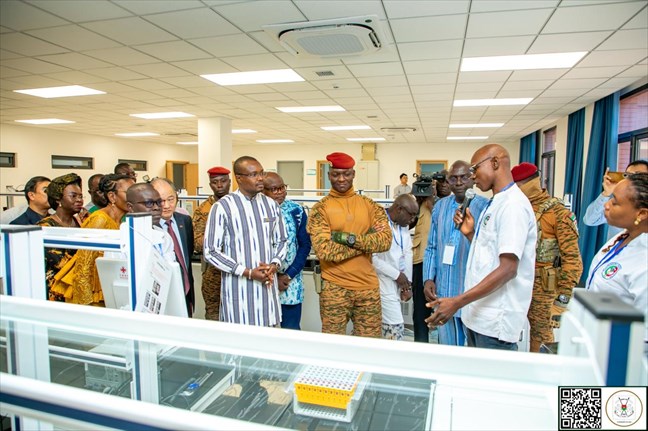
- Infrastructure development: Investing in hospitals, clinics, and medical equipment to expand healthcare coverage.
- Disease prevention: Strengthening vaccination programs and epidemiological surveillance systems.
Burkina Faso’s leadership in healthcare spending reflects a broader commitment to sustainable development goals. By prioritizing health, the country aims to reduce mortality rates, enhance life expectancy, and improve overall well-being for its citizens.
As the 2026 fiscal year approaches, policymakers and health advocates will closely monitor the impact of this investment. The success of Burkina Faso’s strategy could serve as a model for other UEMOA nations seeking to enhance their healthcare systems.