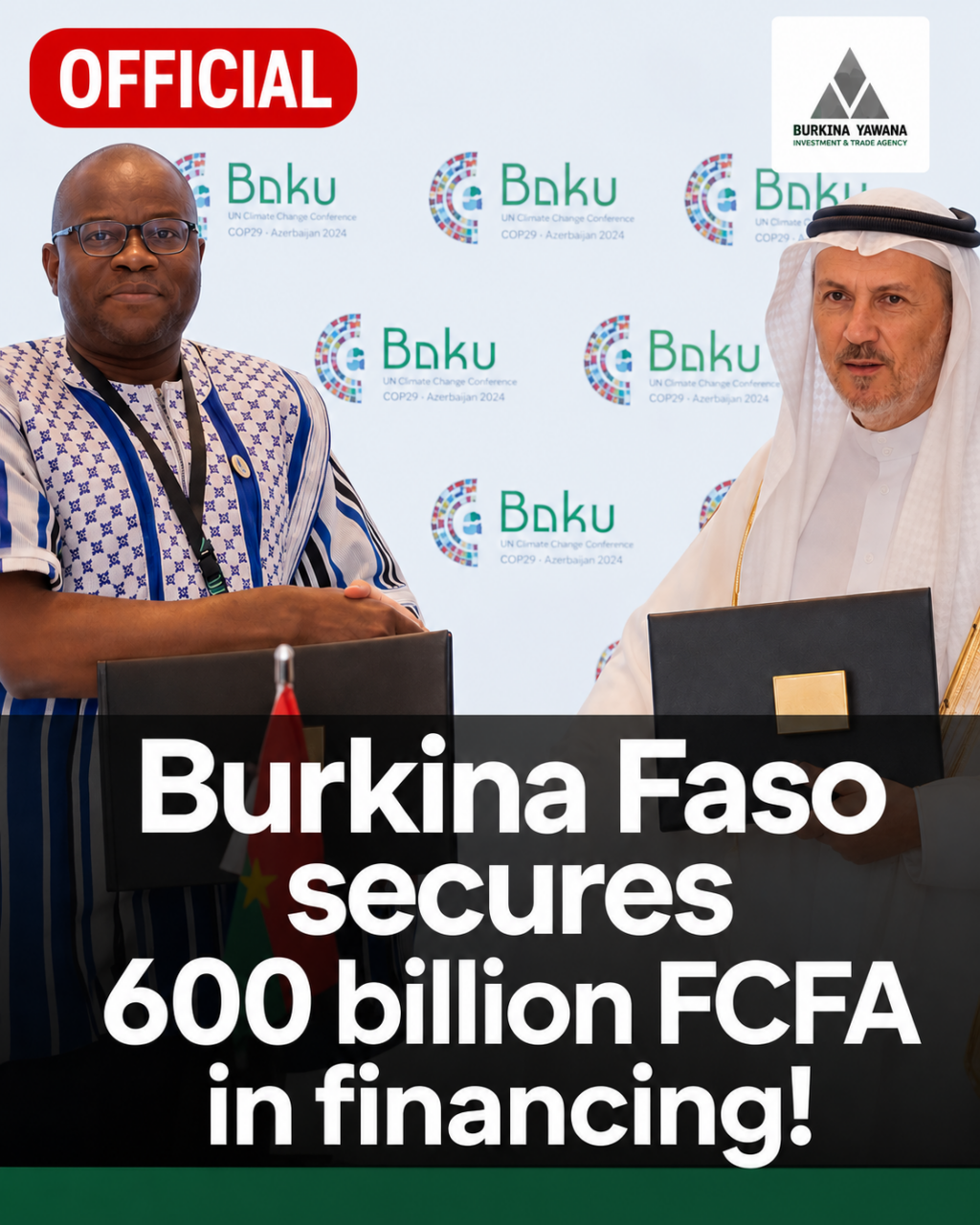
In Baku, Minister Aboubakar Nacanabo formalized a new financing agreement with the International Islamic Trade Finance Corporation (ITFC). This injection of funds will directly support fuel, grain, fertilizer imports, and small business development across Burkina Faso. While it provides much-needed relief to the national economy, it also exposes a sharp contrast with the government’s long-standing rhetoric of financial independence.
An economic lifeline with strings attached
The deal, signed in Azerbaijan, ensures critical supplies reach Burkina Faso’s markets. Without this financing, sustaining agricultural inputs like fertilizers or stabilizing fuel prices would prove nearly impossible. The transaction highlights the delicate balance between political messaging and economic necessity.
From slogans to hard numbers
For months, officials and public gatherings have championed the mantra of ‘no credit, no debt’, presenting Burkina Faso as a nation thriving on internal resources. Yet this narrative clashes with the hard truth of international financing. How can a country that claims self-sufficiency rely on multi-million-dollar loans negotiated abroad?
The illusion of debt-free growth offers temporary comfort but carries hidden risks. By downplaying external financial reliance, the public remains unaware of the growing debt burden. The reckoning may come sooner than expected, as reliance on foreign credit could once again constrain national finances, regardless of political declarations.
The limits of political rhetoric
Economic realities do not bend to political slogans. While aspiring to self-financed development is commendable, Burkina Faso’s current prosperity—especially in essential sectors—still hinges on international agreements. The government’s bold claims must now confront the practical demands of sustaining a fragile economy.