Burkina Faso joins growing list of African nations penalising LGBTQ+ relationships
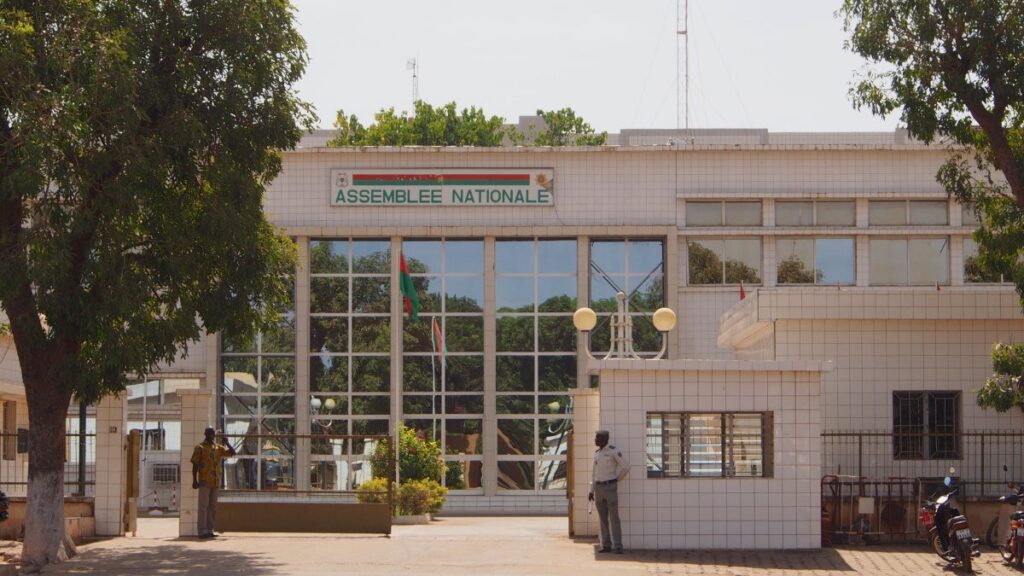
On September 1st, the transitional legislative body of Burkina Faso passed a controversial bill that criminalises consensual same-sex relationships, marking a significant setback for LGBTQ+ rights in the country. Under the new legislation, individuals found guilty of engaging in such relationships face up to five years in prison and substantial fines, reflecting a stark departure from previous legal standards.
The new law not only violates the rights of LGBTQ+ individuals to privacy and non-discrimination but also arrives at a time when civic and political space in Burkina Faso is rapidly shrinking. The military junta has intensified repression against political opponents, media outlets, and peaceful dissent, further marginalising vulnerable groups.
Unlike many other African countries, Burkina Faso has historically lacked colonial-era legislation explicitly criminalising same-sex relations. However, the newly adopted provision, integrated into the Code of Persons and Family, was unanimously approved by all 71 members of the Assembly. It penalises what it terms «behaviours likely to promote homosexuality and related practices» with imprisonment and hefty fines.
During the announcement, Edasso Rodrigue Bayala, Burkina Faso‘s Minister of Justice and Human Rights, framed the legislation as a response to «the deep aspirations of our society» and a reflection of «respect for cultural values».
International obligations and human rights concerns
This decision directly contravenes Burkina Faso‘s obligations under the African Charter on Human and Peoples’ Rights and the International Covenant on Civil and Political Rights. Recent legal developments in other African nations, including Botswana, Mauritius, and Namibia, have demonstrated that laws criminalising same-sex relationships infringe upon fundamental rights to privacy and non-discrimination.
Beyond violating human rights, such legislation fosters environments where violence and abuse against LGBTQ+ individuals thrive. The African Commission on Human and Peoples’ Rights has long urged member states of the African Union to «end acts of violation and abuse targeting individuals based on their sexual orientation or gender identity».
A call for legislative revision
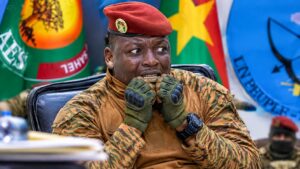
Ibrahim Traoré, the leader of Burkina Faso‘s transitional military government, holds the power to either sign the Code of Persons and Family into law or return it to the Assembly for revision. A revised version should align with international human rights standards, ensuring the protection of all individuals—regardless of sexual orientation or gender identity—against discrimination and violence.