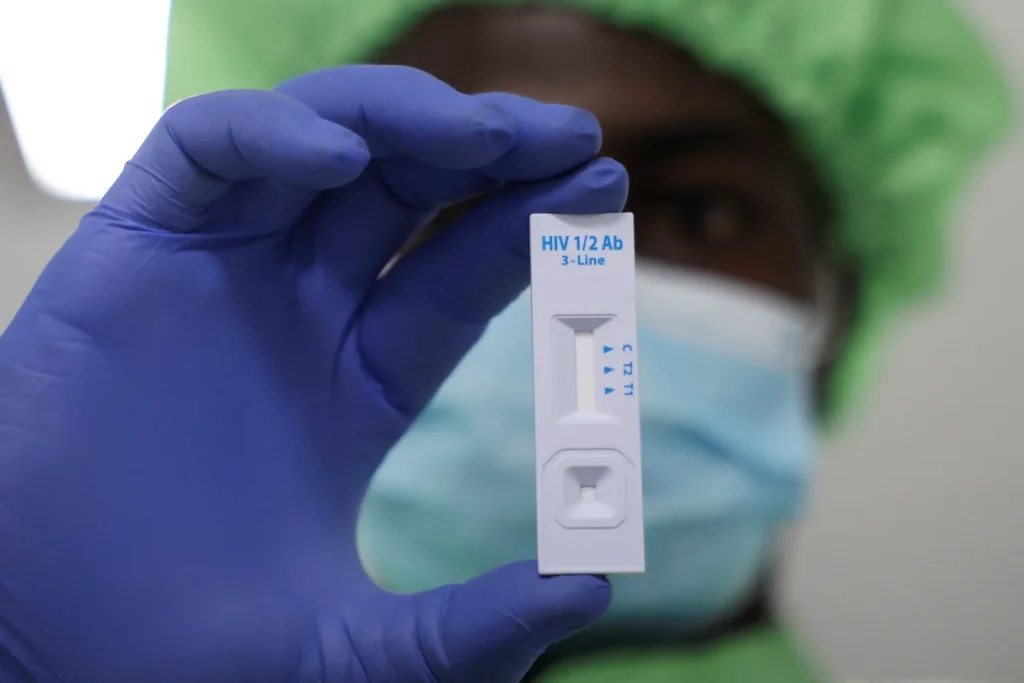
A new chapter in medical cooperation has begun as the United States Department of State and Burkina Faso formalised a five-year bilateral memorandum of understanding. This strategic partnership, valued at 147 million dollars, is designed to bolster the fight against HIV/AIDS, malaria, and various infectious threats while enhancing the nation’s capacity for epidemiological surveillance and emergency response.
Strengthening national health systems
This agreement goes beyond simple aid, establishing a framework for deeper cooperation to prevent and manage the spread of transmissible diseases. As part of the deal, Burkina Faso has committed to increasing its domestic health expenditure by 107 million dollars, demonstrating a clear intent to take ownership of its sanitary infrastructure.
A specific portion of the funding—approximately 12 million dollars—is earmarked for global health security initiatives. These resources will be used to:
- Modernise community-based health systems.
- Digitise the collection and sharing of medical data.
- Upgrade laboratory facilities to improve the detection of emerging pathogens.
Focus on frontline care and sustainability
The protocol maintains a strong focus on long-standing priorities, such as maternal and child health and malaria prevention. Central to this strategy is the support of frontline community health workers, who are viewed as the essential foundation for a locally-driven, sustainable healthcare network.
To ensure the longevity of these efforts, the agreement stipulates that medical personnel and laboratory technicians currently funded by the United States will eventually be integrated into the Burkina Faso public health service. This transition aims to create a resilient national system capable of protecting both Burkinabè and American citizens from cross-border health risks.
A broader global health vision
This partnership is a component of the “America First” global health strategy. To date, this initiative has generated over 18.56 billion dollars in total funding, consisting of 11.33 billion dollars in American assistance and 7.23 billion dollars in partner country co-investments.
While 17 nations, including Botswana, Burundi, Cameroon, Côte d’Ivoire, Eswatini, Éthiopie, Kenya, Lesotho, Liberia, Madagascar, Malawi, Mozambique, Nigeria, Ouganda, Rwanda, and Sierra Leone, have already signed similar bilateral protocols, the rollout has met with some resistance elsewhere. Zimbabwe officially turned down a 367 million dollar offer, citing concerns over sovereignty and oversight. Meanwhile, Zambia has voiced reservations regarding specific clauses, leaving the future of their agreement dependent on further negotiations with Washington.