Boko Haram frees over 400 women and children in Nigeria’s Borno state
News. More than 400 individuals, predominantly women and children, who had been abducted by Boko Haram in northeastern Nigeria, have regained their freedom. The precise circumstances surrounding their liberation remain undisclosed.
A wave of relief has swept across northeastern Nigeria as over 400 women and children, held captive for several months by the jihadist group Boko Haram, have been released in Borno State. Local officials have confirmed these developments.
Reports emerged on Sunday indicating that 416 individuals, all from the village of Ngoshe, were set free on Saturday, June 6. This significant news was corroborated by Senator Mohammed Ali Ndume, alongside various representatives from the local youth community.
A community under constant threat
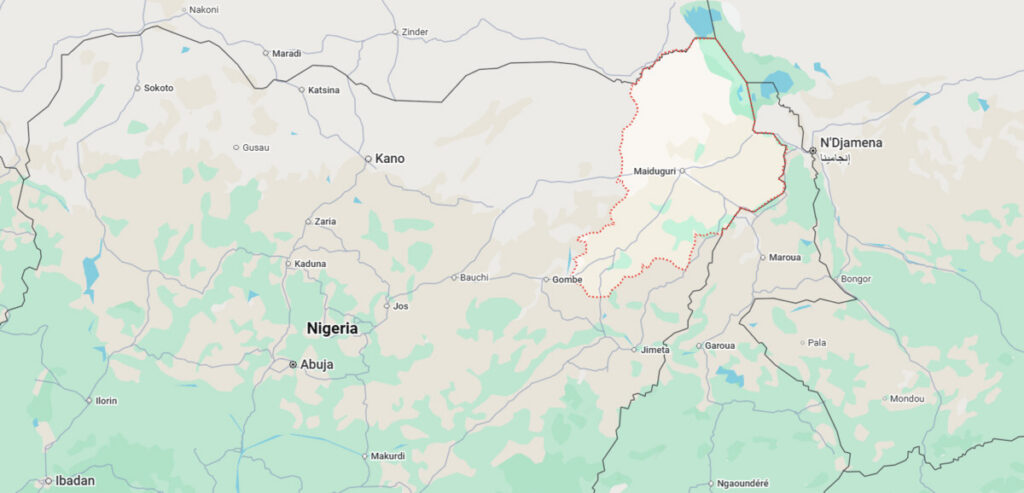
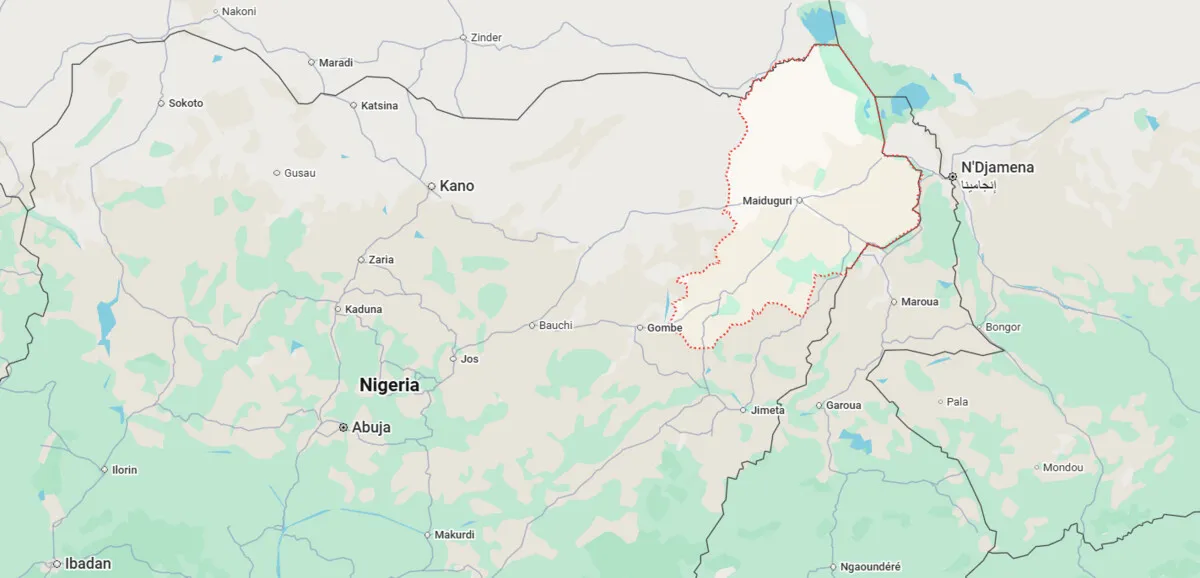
The village of Ngoshe, situated less than ten kilometers from the Cameroonian border, lies within the Gwoza region—a historical stronghold for Boko Haram. This particular area has been a frequent target of jihadist incursions since the armed insurgency first erupted in northeastern Nigeria in 2009.
Unanswered questions surrounding the release
No official details have been provided regarding the circumstances that led to this large-scale liberation. Local authorities, who reportedly engaged in discussions with the captors, have not specified whether any ransom payments were made. While Nigerian authorities consistently state their policy of not negotiating with armed groups, numerous expert analyses suggest that ransom payments are often a crucial factor in securing the release of hostages.
Persistent violence in the region
For more than fifteen years, the relentless violence perpetrated by Boko Haram and its rival faction, Islamic State in West Africa Province (ISWAP), has claimed tens of thousands of lives and forcibly displaced millions across northeastern Nigeria. Mass kidnappings continue to serve as a primary funding mechanism for the various armed groups active throughout the region.