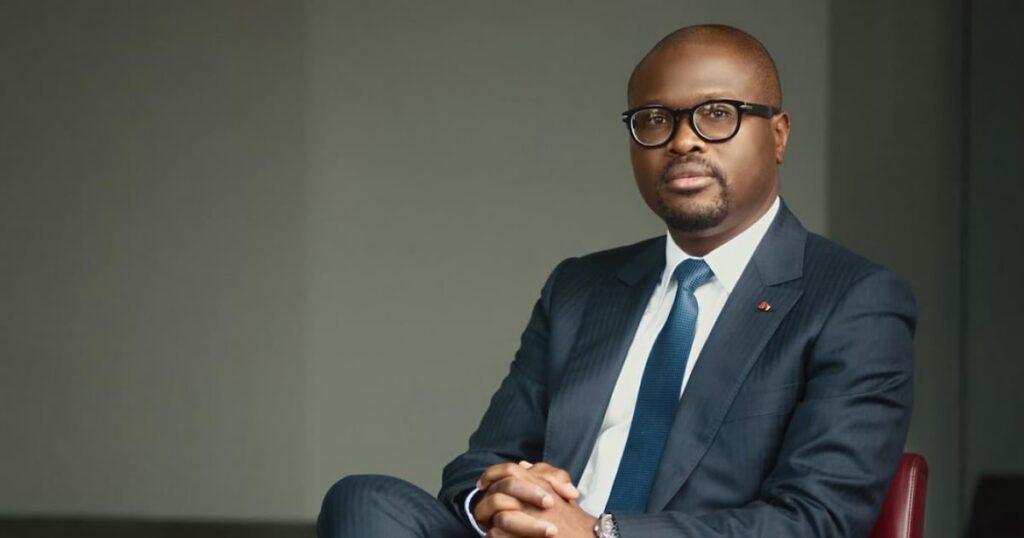
Romuald Wadagni, set to turn 50 next month, has officially begun his seven-year term as President of the Republic of Benin. His inauguration took place in a concise ceremony at the presidential palace in Cotonou, the nation’s economic hub, where no foreign heads of state were present—continuing a recent tradition.
His election on April 12 was uncontested; his sole rival, Paul Hounkpè of the Forces cauris pour un Bénin émergent (FCBE), has since aligned with the ruling majority. The main opposition party, Les Démocrates, was barred from participating due to insufficient endorsements and is currently grappling with internal strife.
In his inaugural address, President Wadagni paid tribute to his predecessor before outlining key campaign promises. “National growth holds meaning only when it translates into tangible improvements in the daily lives of our people,” he declared. He also addressed Benin’s youth directly: “To the young citizens who reject outdated limitations and seek success through hard work here at home, I say this: Benin believes in you—and will provide the opportunities you need to thrive.”
strengthening ties with west african neighbors
As a staunch Francophile, Wadagni inherits the challenge of mending relations with neighboring Sahelian nations, particularly Niger, where anti-Western juntas have accused Benin of destabilization. Yet signs of détente emerged during his swearing-in: Niger’s Prime Minister, Ali Mahaman Lamine Zeine, attended and received warm applause, while delegations from Burkina Faso and Mali were also present, represented by their foreign ministers.
The new president has pledged to uphold and expand the economic development initiatives launched during his tenure as Finance Minister, where he played a pivotal role in reducing the fiscal deficit from 9% to 3% of GDP and spearheading major infrastructure projects. However, security remains a pressing concern in northern Benin, where jihadist violence continues to threaten stability.
“Benin will not yield to fear or complacency. The state will stand firm against any threat to our unity and security,” Wadagni affirmed, emphasizing collaboration with regional partners to counter shared challenges.
press freedom and political continuity under scrutiny
International observers, including Reporters Without Borders (RSF), have urged the new administration to prioritize press freedom and release detained journalists, citing concerns over a perceived authoritarian shift under outgoing President Patrice Talon. Wadagni’s early policy choices in this area will be closely monitored.
Benin now enters a six-year electoral cycle, following a constitutional reform that consolidates all national and local elections into a single year. This shift aims to stabilize governance but also concentrates power in the executive’s hands.
from economist to leader: a profile of romuald wadagni
Born on June 20, 1976, in Lokossa, a town in southwestern Benin near the Togolese border, Wadagni grew up in an intellectual family—his father, Nestor, was a prominent economist, and his mother an entrepreneur. Despite his global education, including finance studies at Grenoble École de Management in France and executive training at Harvard University, he has maintained strong ties to his roots, owning and operating a farm he has never abandoned.
His professional journey began at Deloitte, where he rose to partner and oversaw African operations. In 2016, President Talon appointed him Minister of Economy and Finance, tasking him with implementing sweeping reforms. Under his leadership, Benin achieved macroeconomic stability, slashed its deficit, and launched transformative infrastructure projects, drawing praise from investors.
Re-elected in 2021, Talon elevated Wadagni to Minister of State, reinforcing his influence in both economic and security policy. Analysts suggest his presidency will prioritize continuity, though challenges like insurgency and press freedom will demand decisive action.
Described by allies as a unifier, Wadagni has secured backing from the two largest ruling parties and even former opponents. “His strength lies in action, not rhetoric—a leader for a generation that values results over words,” noted Lucien Fayomi, a prominent supporter. Critics, however, point to his reserved public persona as a potential liability in an era demanding bold leadership.