In a sweeping three-day national tour, the Minister of Agriculture, Livestock and Fisheries, Adin Yeton Bloukounon Goubalan, has delivered a clear ultimatum to Benin’s agricultural sector: halt raw material exports and prioritize domestic processing to secure food independence and unlock economic growth.
The executive’s mission took him from the country’s central regions to the northern agricultural hubs, where he engaged directly with producers and industry leaders. Between June 11 and 13, the minister’s itinerary included key agricultural zones such as Paouignan, Glazoué and Parakou. His goal was to ensure the President’s vision—ending raw commodity exports—translates into concrete industrial action across the nation.
Rice and cassava: paving the way to self-sufficiency
The rice sector is already reaping the rewards of this strategic shift. In Glazoué, Premium Agro-Industrial Group, a long-time leader in rice paddy processing, has announced an aggressive expansion plan. A third processing facility is under construction in Dangbo, set to boost the group’s annual capacity from 300,000 to 500,000 metric tons. This development offers a significant boost in reducing Benin’s reliance on Asian rice imports, marking a critical step toward achieving national food security.
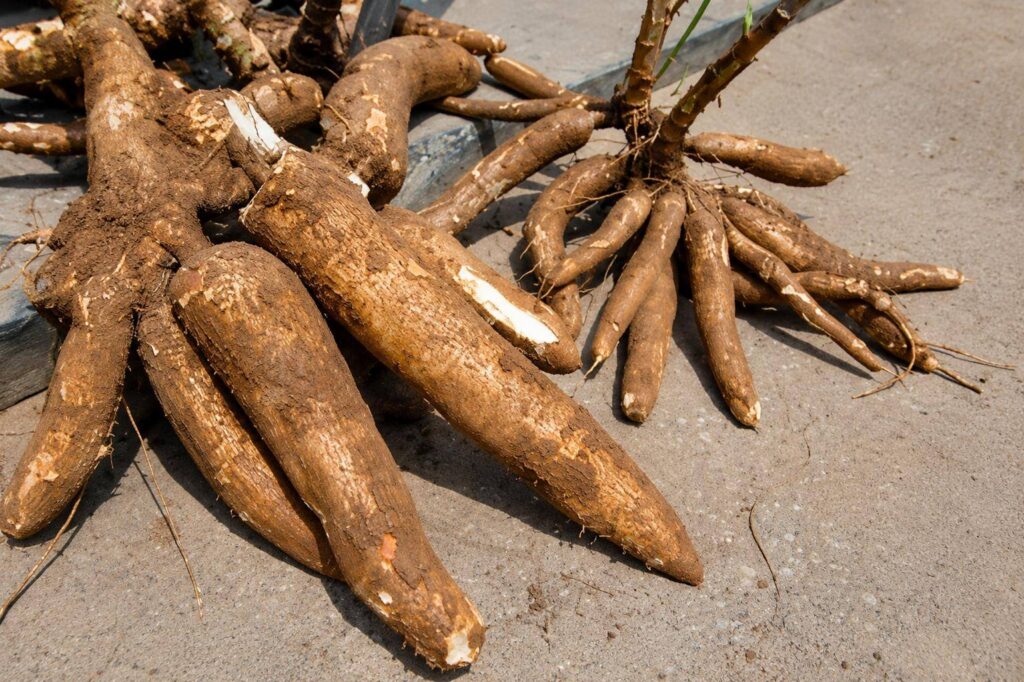
Meanwhile, in Paouignan, the focus is on cassava—the country’s white gold. A new local processing plant is nearing completion, designed to produce gari (toasted cassava), tapioca and, most importantly, bread-making flour. This flour serves as a viable alternative to wheat imports, addressing another key vulnerability in Benin’s food supply chain. The project stands out for its innovative co-management model, blending private sector investment with local producer cooperatives. This approach ensures equitable profit distribution and safeguards rural employment—a triple win for communities and the economy.
Cashew nuts: cracking down on smuggling
Despite progress, challenges persist—particularly in the cashew sector. Local processors are raising alarms over the alarming outflow of raw cashew nuts to neighboring countries, depriving domestic factories of essential raw materials.
The minister has taken a firm stance. The government is doubling down on border surveillance and prioritizing stock security for domestic processing plants. Officials warn that allowing raw cashew exports equates to shipping away jobs for young Beninese—a stark reminder of the human cost behind unprocessed commodity trade.
Cotton: a 700,000-tonne revival with financial incentives
The final leg of the tour addressed the most pressing issue in Benin’s agricultural economy: cotton. After three consecutive seasons of declining output, the government has set an ambitious target: 700,000 metric tons by the 2026–2027 campaign.
To reignite momentum and support producer income amid rising input costs, the President has introduced a substantial incentive: a 10 FCFA bonus per kilogram of cotton produced, payable once the nation reaches the 700,000-tonne threshold. This financial boost aims to restore motivation among farmers and strengthen the sector’s resilience.
From cracking down on smuggling and offering producer bonuses to launching large-scale industrial projects, Benin is charting a course toward a more robust, self-reliant agricultural economy. While logistical and climate-related hurdles remain, the government’s resolve appears unshaken—and the road ahead is one of transformation.