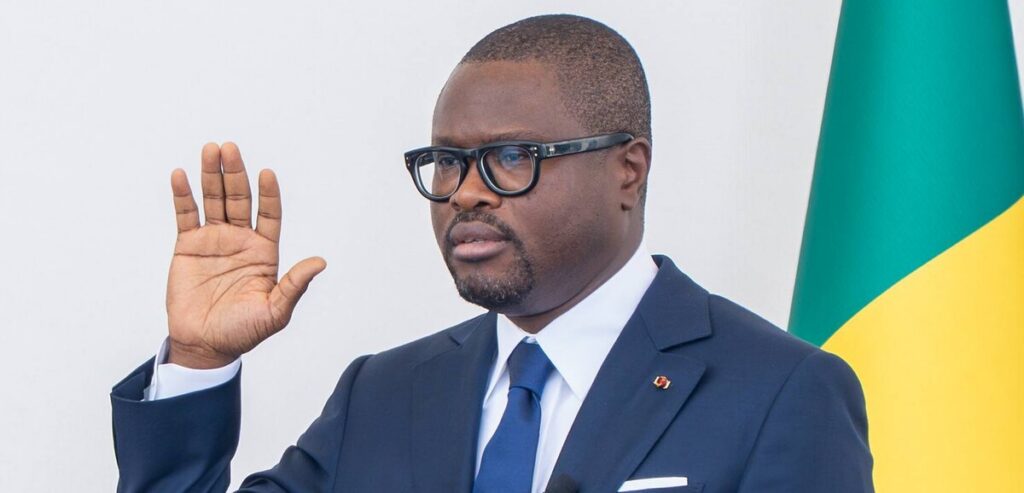
Bénin: Romuald Wadagni sworn in as president, succeeding Patrice Talon
Cotonou witnessed a historic moment on Sunday, May 24, as Romuald Wadagni was officially sworn in as the new President of the Bénin. The former Finance Minister, who secured over 94% of the vote in the April election, now begins a seven-year term, taking the reins from Patrice Talon after a decade in power.
Economic vision and pressing security challenges
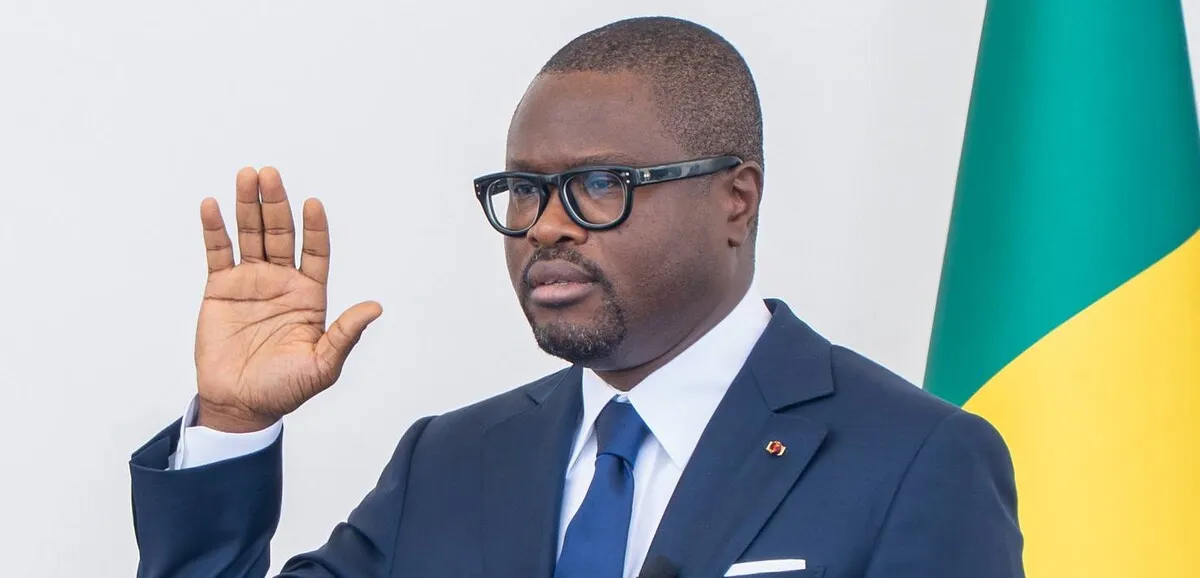
At 49 years old, Wadagni inherits a nation poised for economic transformation. His first address as President paid tribute to Talon’s legacy while outlining a vision for growth that prioritizes tangible improvements in daily life for citizens. As the architect behind recent economic reforms, he faces the dual challenge of sustaining momentum while addressing rising security threats, particularly the jihadist insurgency in northern Bénin.
The new leader emphasized a firm stance against these threats, pledging to bolster regional cooperation to ensure stability in West Africa. His commitment to security aligns with broader expectations for decisive action in safeguarding both national and regional interests.
Diplomatic thawing with neighboring Sahel nations
The inauguration ceremony also served as a symbolic gesture of reconciliation with regional partners. Notably, Niger’s Prime Minister, Ali Mahaman Lamine Zeine, attended the event, receiving a warm welcome that underscored a thaw in previously strained relations between Niamey and Cotonou. High-level representatives from Burkina Faso and Mali were also present, further signaling a shift toward diplomatic engagement.
Analysts view this outreach as a strategic move to restore trust and foster collaboration in addressing shared challenges, including security and economic integration.
Public freedoms under the spotlight
With expectations running high, Wadagni’s early decisions on public freedoms will be closely monitored. Human rights groups have criticized the previous administration for tightening political and media landscapes, and the new President faces pressure to reverse these trends. His approach to governance, transparency, and civic engagement will shape Bénin’s democratic trajectory in the years ahead.