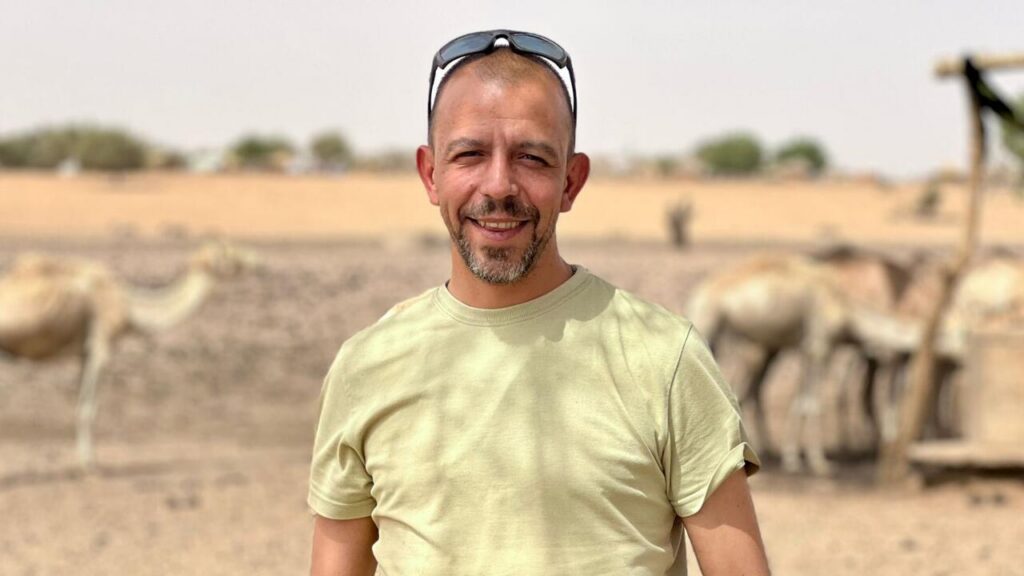
In an extraordinary account, Joseph Figueira, a Belgo-Portuguese researcher, has shared the harrowing details of his two-year detention in the Central African Republic. His ordeal began in Zemio, a town in the southeast, where he was seized by Russian Wagner Group mercenaries. After enduring unimaginable hardships, he was released earlier this month—on April 7—due to humanitarian reasons.
From capture to survival: a journey through Central Africa’s shadows
Figueira’s arrest two years ago, on May 26, 2024, marked the start of a nightmare that would test his resilience to the limit. Held in secret detention centers operated by Wagner mercenaries, he later faced imprisonment in Bria, where he feared his life was nearing its end. His survival against the odds raises critical questions: was his detention an act of chance, or was he deliberately targeted in a calculated move for political leverage?
Speaking from his home in Portugal, where he is now rebuilding his life with his family, Figueira reflects on the psychological and physical toll of his captivity. His firsthand experiences offer a rare glimpse into the shadowy operations of private military companies in one of Africa’s most volatile regions.
Wagner’s shadow: motives behind the detention
The circumstances surrounding Figueira’s arrest remain shrouded in mystery. Wagner’s presence in the Central African Republic has long been a subject of controversy, with accusations of human rights abuses and destabilizing activities. Some analysts speculate that his detention may have been part of a broader campaign to control or manipulate international narratives in the region.
Figueira’s case is not isolated. Reports from human rights organizations and diplomats have repeatedly highlighted Wagner’s aggressive tactics, including the targeting of foreign nationals to serve broader geopolitical agendas. His release, secured under humanitarian grounds, underscores the complex interplay between security operations and international law in conflict zones.
rebuilding life after captivity
Now reunited with his family in Portugal, Figueira is slowly reclaiming a sense of normalcy. His story serves as a stark reminder of the dangers faced by researchers, aid workers, and civilians operating in war-torn environments. As he continues to recover, his account sheds light on the often-overlooked human cost of political and military conflicts in Central Africa.
The question remains: will justice be served for those still trapped in Wagner’s detention centers, or will their fates be lost to the silence of war?