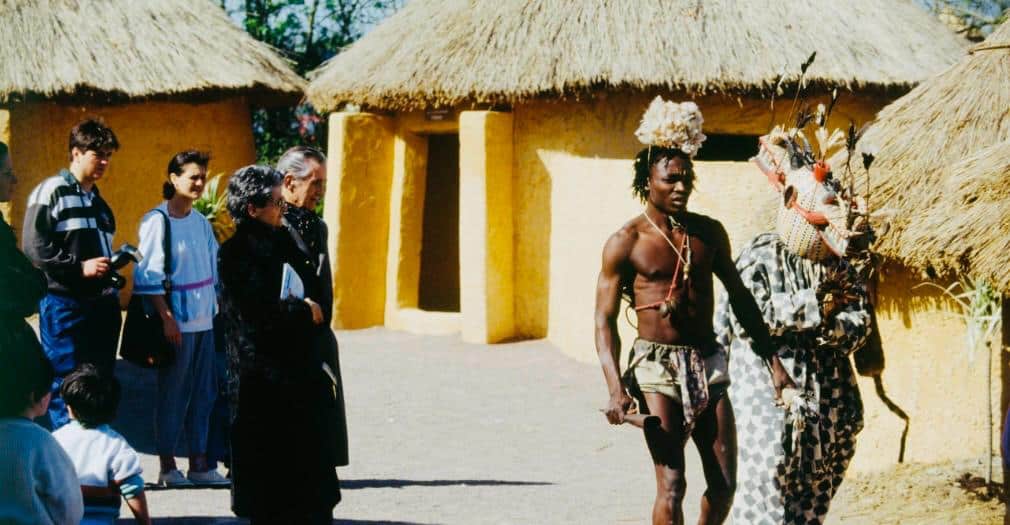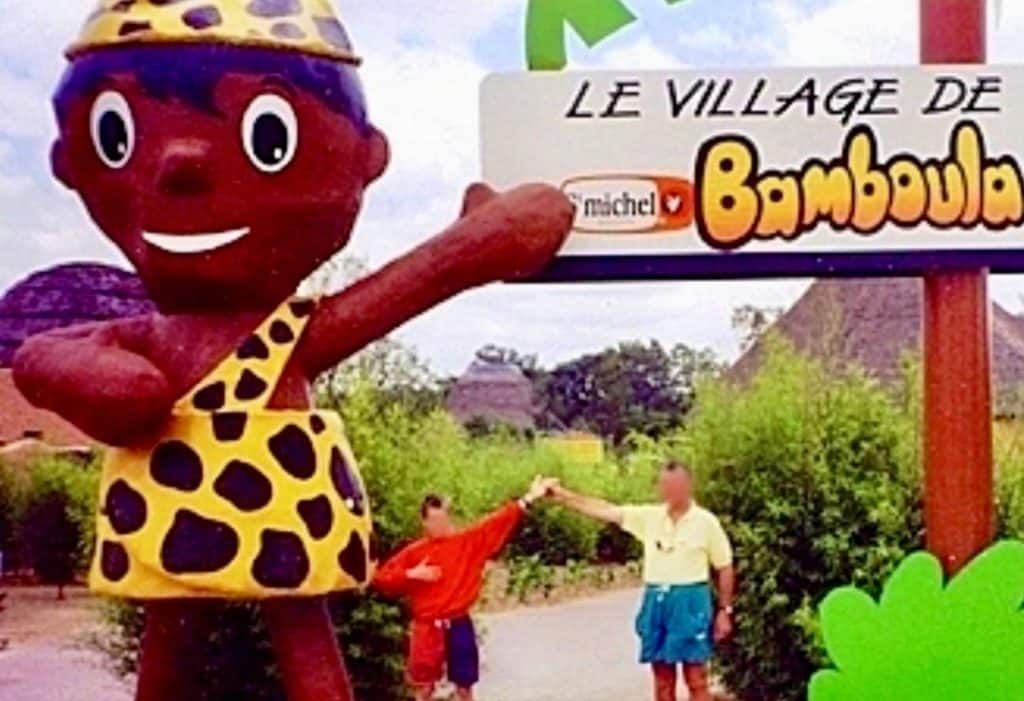
History often lingers not as distant memories, but as unresolved questions that haunt collective conscience. In Ouahigouya, on July 16, 2026, Captain Ibrahim Traoré brought to light one such episode: the Bamboula Village, a stark reminder that as recently as the late 20th century, human beings could be paraded as objects of curiosity.
This incident did not occur during the 19th-century colonial exhibitions. Instead, it unfolded in 1994 in France, at Port-Saint-Père near Nantes, where a wildlife park opened a so-called “African village” exhibit. Behind the facade of traditional huts and official cultural exchange narratives lay a far grimmer reality.
Twenty-five Ivorian nationals—men, women, and children—left their country believing they were participating in a cultural experience. They expected to share traditions and showcase their heritage to a curious public. Instead, their journey led to a different kind of exposure.
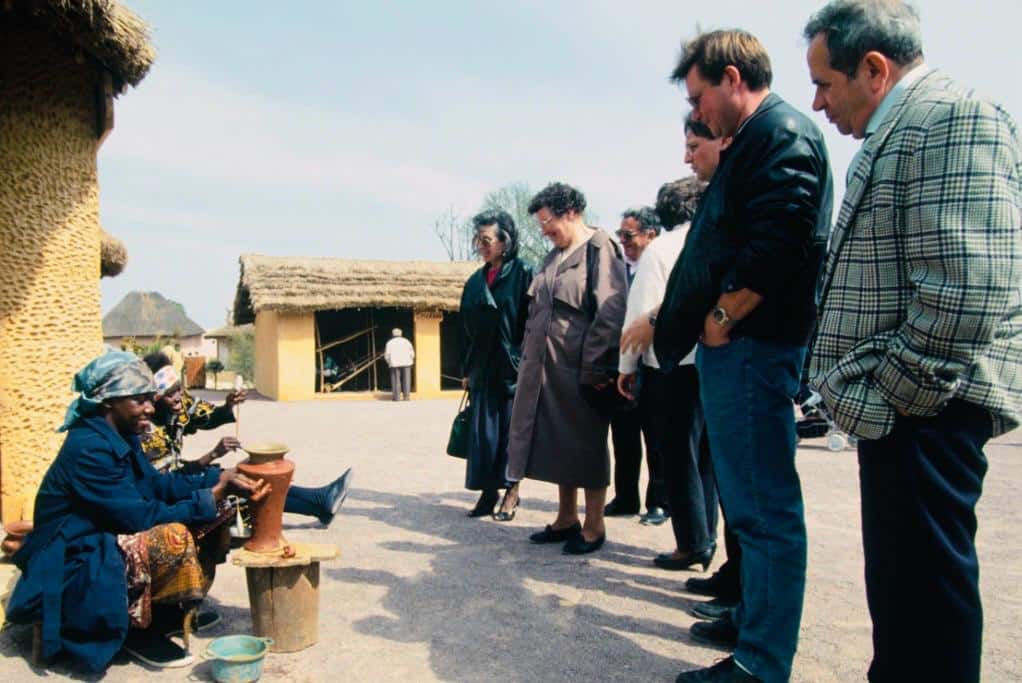
Upon arrival, their travel documents were confiscated. What began as a cultural visit soon deteriorated into conditions incompatible with human dignity. For months, they lived under the gaze of visitors invited to observe their daily lives in a staged African setting. Their existence became a spectacle built on stereotypes.
Children grew up without access to proper schooling, while adults were forced to conform to the expectations of a public seeking a folklorized vision of Africa. The depth of this injustice lies not only in its existence but in the timing: decades after slavery’s abolition, the Universal Declaration of Human Rights, and African independence.
As public outrage grew, human rights advocates, intellectuals, and associations condemned the park’s practices. The controversy escalated until the Bamboula Village was finally shut down. Yet closing a site does little to erase the scars left in collective memory.
Memory as a tool for vigilance
By revisiting this dark chapter in Ouahigouya, Captain Ibrahim Traoré did more than recount history. He framed it within a broader reflection on memory, dignity, and the imperative for African peoples to reclaim their own narratives.
The Bamboula Village stands as a symbol of the dehumanizing power dynamics that have shaped Africa-Europe relations. Remembering this history is not about nurturing resentment but understanding the mechanisms that allowed such practices to persist. It serves as a warning: no society is immune to violations of human dignity.
When embraced with honesty, memory becomes a shield. It arms present and future generations with the resolve to uphold the fundamental value of respect for every individual.