Bamako’s Eid under strain: families separated by militant blockades
For the first time in three decades, Alpha Amadou will not return to his hometown of Mopti to celebrate Tabaski with his family. The 40-year-old resident of Bamako found himself stranded in the capital this year, trapped by a militant-imposed blockade that has severed key roads leading into the city.
The situation mirrors the plight of countless others across Mali, where the annual Eid al-Adha festivities—more than a religious observance—represent a vital social tradition. Families, often separated for months by work obligations, come together during this period to share meals, exchange gifts, and strengthen bonds. This year, however, the joy of reunion has been replaced by anxiety and uncertainty.
« This is the first time in 30 years I’m celebrating Eid in Bamako, » Alpha Amadou shared, his voice reflecting both resignation and frustration. His story is echoed by Wara Bagayoko, a lifelong resident who typically drives to Ségou for the celebrations. This year, the journey is too perilous, even for private vehicles, which have become targets for militant attacks.
Transport sector collapses under pressure
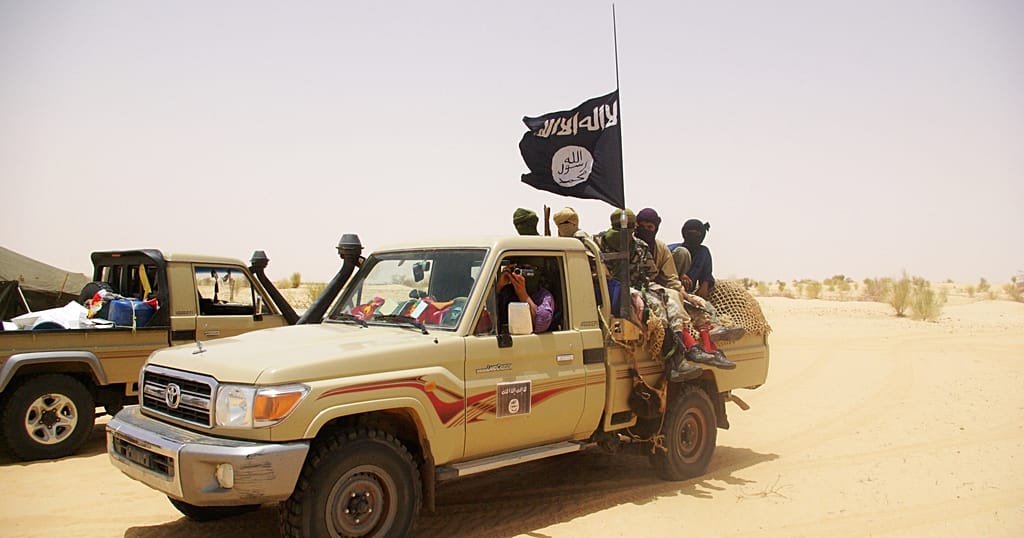
Since late April, fighters from a Sahel-based Al-Qaeda affiliate have established roadblocks along major highways leading to Bamako, torching buses and commercial trucks. The images of charred vehicles have deterred transport services and travelers alike, leaving train stations eerily quiet in the days leading up to Eid.
« Not only do we lack diesel to keep our buses running, but we’ve also lost vehicles in recent incidents. It’s a severe blow to our operations, » admitted the owner of a local travel agency, who requested anonymity. « Normally, we’d transport over 50,000 people from Bamako to other regions in a single week for Eid. This year, we’ve canceled all trips. »
The crisis has also affected private travel. Oumar Diarra, who used to join a group of 20 friends on motorcycles for the journey to Sikasso in southern Mali, will now stay in Bamako. « The roads are too dangerous, » he said.
Sheep scarcity drives prices sky-high
The transport disruptions have crippled the livestock trade, a cornerstone of the Tabaski tradition. With commercial routes compromised, herders and traders struggle to deliver animals to Bamako, the country’s primary market for consumption.
« The cost of transporting a single animal has surged from 2,500–2,750 francs CFA (about $4–5) to 15,000–18,000 francs CFA (around $26–31), » explained transporter Alassane Maiga. The price hike has made sheep virtually inaccessible for many Malians, where the minimum wage hovers at just 40,000 francs CFA per month.
Hama Ba, a livestock trader in Bamako, described the shortage vividly: « Many trucks carrying sheep have been set ablaze by militants… Normally, I’d have over 1,000 animals in stock, but today, I don’t have a single one. » The scarcity has driven prices from 75,000 to 300,000 francs CFA per sheep. « Before, there was plenty to choose from. Now, they’re almost gone from Bamako’s markets, » lamented Iyi, a resident searching for an affordable animal.
Daily life disrupted by insecurity
The security crisis has seeped into the fabric of everyday life in Bamako, exacerbating shortages of essential services. Prolonged power cuts and acute drinking water shortages have added to the city’s woes, further dimming the festive spirit.
As families across Mali grapple with these challenges, the Eid celebrations in Bamako serve as a stark reminder of the broader humanitarian toll of the ongoing conflict.