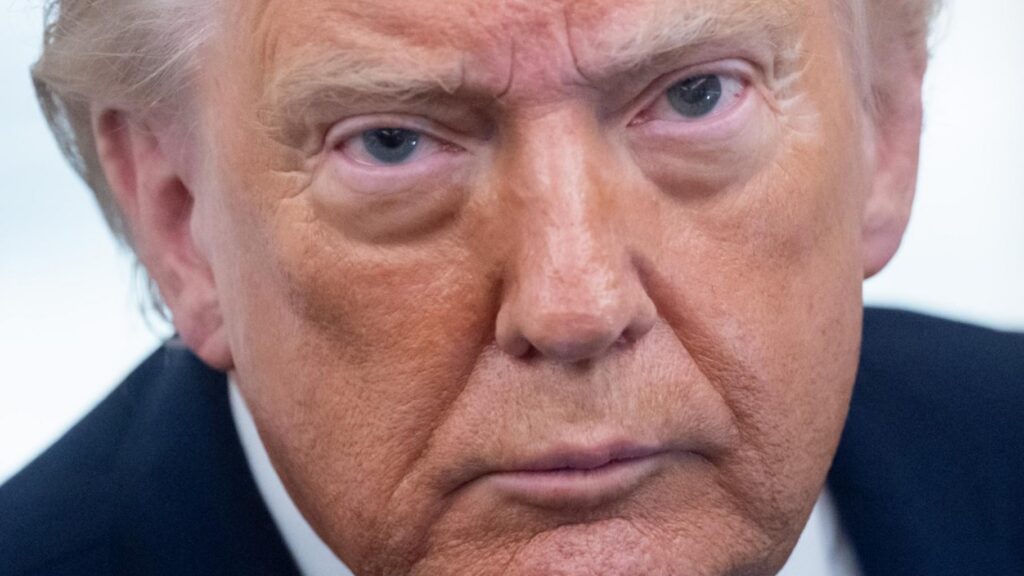
Washington is weighing the possibility of expanding its military operations to a new African nation. Reports indicate that the Trump administration is considering targeted strikes against the Jama’at Nusrat al-Islam wal-Muslimin (JNIM), an Al-Qaïda-linked group operating extensively in Mali. This move would mark the eighth country targeted by US military action since the start of Donald Trump’s second term.
The proposal remains under internal review, with no final decision yet announced. While some officials, including Sebastian Gorka, the National Security Council’s counterterrorism advisor, advocate for a decisive military response, others express skepticism about the move’s long-term effectiveness. The debate reflects deep divisions over the best approach to countering terrorism in the Sahel region.
The White House has neither confirmed nor denied the potential strikes. However, a senior administration official emphasized Washington’s push for African nations—particularly in North and West Africa—to bolster their anti-terrorism capabilities by acquiring American military equipment and services. The official described the Sahel’s terrorism challenge as a « multinational threat » requiring collective action.
Since its emergence, the JNIM has grown into one of West Africa’s most formidable armed factions. Originating in Mali, the group has expanded its operations into neighboring coastal countries, exploiting the worsening security vacuum across the Sahel. Analysts warn that its influence has surged in recent years amid persistent instability.
Potential consequences: escalation risks and unintended outcomes
Security experts caution that a US military intervention could have far-reaching, unpredictable consequences. Corinne Dufka, a Sahel analyst, cautioned that targeting JNIM leaders might backfire: « Eliminating key figures could derail efforts to deradicalize and dismantle one of the world’s most sophisticated jihadist networks. »
Critics also highlight the limited success of past military interventions in the region. France’s decade-long deployment in Mali, followed by Russia’s five-year presence, failed to curb the spread of jihadist violence. Some fear a similar outcome for any new US operation, while others worry it could inadvertently empower rival groups—particularly the Islamic State in the Sahel, which has clashed with JNIM for influence.
Another concern is the potential for escalation with Russian forces already active in Mali. Moscow has offered security assistance to several African nations, including Mali, Burkina Faso, Guinea, and the Central African Republic. However, US officials have dismissed these efforts as ineffective: « Other African nations should take note of Russia’s poor track record in combating terrorism. »