While ordinary Togolese citizens struggle daily under an oppressive economic crisis and soaring living costs, the government’s extravagant diplomatic expenditures have sparked widespread public outrage. Financial records and analyses of sovereignty funds and foreign influence contracts reveal that the state poured an estimated $2 million of taxpayers’ money into securing and promoting the “new map of Africa” resolution at the United Nations.
For months, the diplomatic corps of Togo engaged in intense campaigns to promote this cartographical initiative. Yet, underneath the triumphant official declarations celebrating the “diplomatic influence of Togo,” the actual balance sheet exposes an enormous waste of public funds on a triumph that is purely symbolic.
Breaking down the diplomatic invoice with lobbyists and luxury tours
Where did this $2 million, taken directly from state coffers, actually go? Tracking the logistics and diplomatic channels reveals exactly how these resources were allocated:
High-priced lobbying and strategic consulting
To place the resolution on the agenda of the United Nations General Assembly and win over Western and Asian governments, Lomé partnered with specialized international public relations and lobbying operations. These included influence communication firms based in Paris, which regularly service African presidencies, alongside American lobbying agencies in Washington D.C. registered under the Foreign Agents Registration Act (FARA) to connect Togolese diplomats with English-speaking decision-makers. These consulting and strategy agreements required payments in foreign currencies totaling hundreds of thousands of dollars.
Robert Dussey’s luxury diplomatic tours
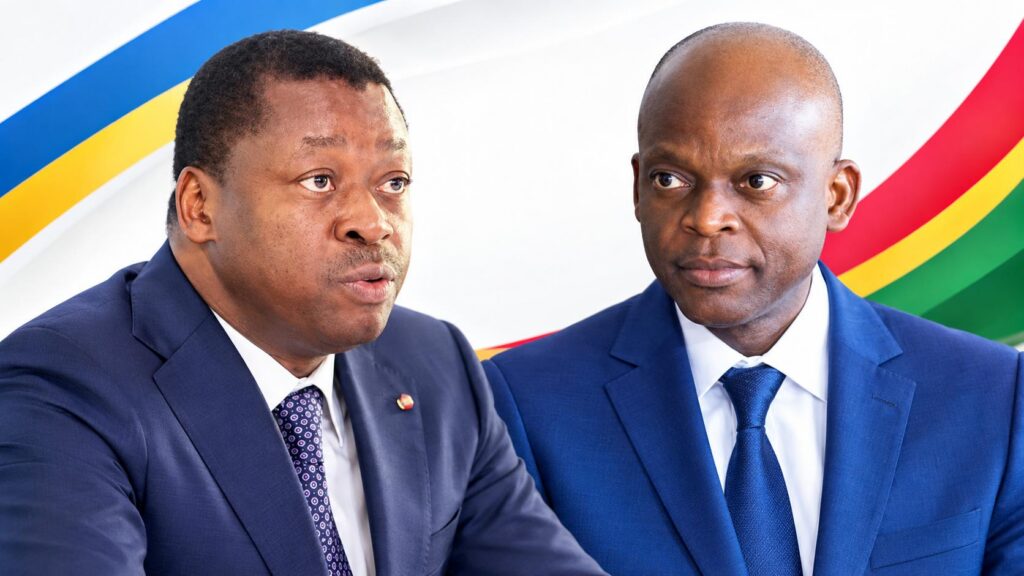
Foreign Minister Robert Dussey embarked on numerous high-end journeys, traveling first-class and booking luxury suites in New York, Paris, Geneva, and various African capitals to conduct direct lobbying. Private flights, substantial per diem allowances, and official delegation expenses swallowed a massive portion of the overall budget.
Pageantry, official dinners, and diplomatic gifts
Sustaining support for the vote required significant hospitality expenses. Lavish dinners, official gifts, and fully funded travel for international delegates and experts during preparatory sessions caused secondary costs to skyrocket.
Media campaigns and sponsored public relations
The state also paid for targeted media campaigns in international outlets, funded sponsored opinion pieces, and organized custom academic symposiums to artificially validate the cartographical initiative.
A costly vanity project detached from local hardships
For civil society advocates and economic analysts, spending over one billion CFA francs (the equivalent of $2 million) on international vanity projects is entirely indefensible given the country’s domestic realities. This capital could have easily equipped under-resourced hospitals in Kara, Dapaong, or Adetikopé, built new schools, or provided direct relief to vulnerable families struggling to survive.
By prioritizing international prestige and hiring foreign advisory firms over the basic needs of its population, the Togolese leadership highlights a massive disconnect between its global branding ambitions and the difficult daily reality of its citizens.