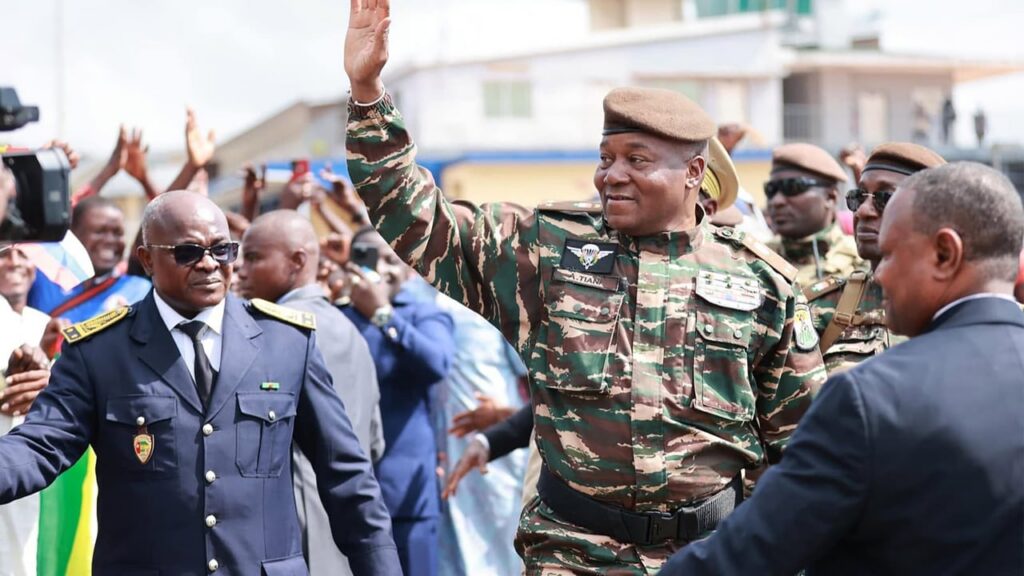
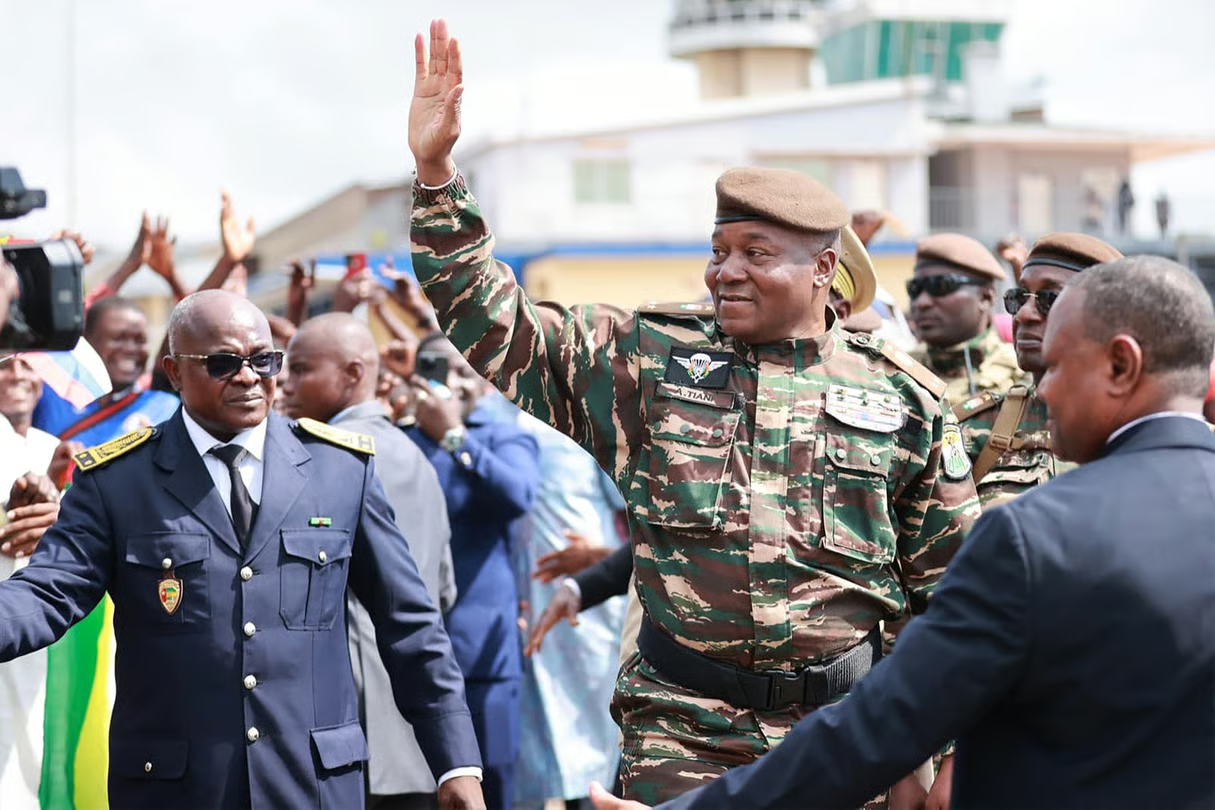
Niger’s transitional leader, General Abdourahamane Tiani, is steering the country toward a new phase marked by pragmatic decision-making. Since assuming leadership, his approach has redefined the nation’s political and diplomatic trajectory, reflecting a clear break from past governance models.
a strategic pivot in foreign policy
Under Tiani’s leadership, Niger has recalibrated its international partnerships, prioritizing alliances that align with its evolving priorities. The shift is particularly evident in relations with global powers, where economic cooperation and security collaboration have taken center stage.
Key engagements include strengthening ties with regional blocs such as the Alliance des États du Sahel. This coalition, formed to address shared security challenges, underscores Niger’s commitment to collective regional stability. Tiani’s government has also fostered new diplomatic channels with partners beyond traditional alliances, signaling a more diversified foreign policy.
regional dynamics and security cooperation
The Sahel region remains a focal point of Tiani’s strategic vision. By deepening collaboration with neighboring states, he aims to combat transnational threats while enhancing economic integration. This approach contrasts with previous policies, which often struggled to balance security imperatives with economic development.
The transitional government has also engaged in high-level dialogues with key figures such as Khalifa Haftar and Assimi Goïta, reflecting a willingness to engage with a broad spectrum of regional actors. These interactions are part of a broader effort to stabilize the region and reduce reliance on external actors.
economic pragmatism and governance reforms
Domestically, Tiani’s administration is implementing reforms aimed at revitalizing Niger’s economy. By focusing on pragmatic solutions, the government seeks to address pressing challenges such as infrastructure deficits, unemployment, and food insecurity. Policy adjustments include streamlining regulatory frameworks to attract investment and fostering public-private partnerships.
A notable example is the government’s engagement with economic stakeholders like Romuald Wadagni, whose expertise is being leveraged to drive growth in critical sectors. These efforts are part of a broader strategy to reduce dependence on volatile commodity markets and build a more resilient economy.
challenges and opportunities ahead
While Tiani’s leadership has introduced fresh momentum, significant challenges remain. The transition period demands careful navigation to balance immediate needs with long-term goals. Issues such as security threats, political fragmentation, and economic constraints require sustained attention and innovative solutions.
However, the current trajectory offers opportunities for Niger to reposition itself on the global stage. By embracing pragmatic governance, the country can enhance its sovereignty, attract foreign investment, and foster regional partnerships that prioritize mutual benefit.