This article explores the foundational principles of the rule of law, the essential separation of powers, and the indispensable role political parties play in fostering development rooted in democratic ideals within the Alliance of Sahel States (AES).
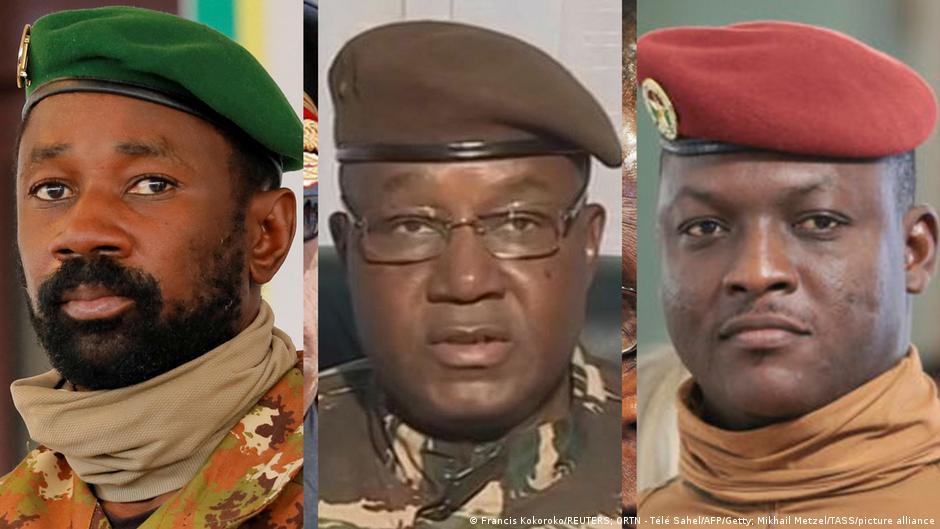
The nations of Burkina Faso, Mali, and Niger, frequently discussed in global discourse, have been under military governance since a series of coups occurred between 2020 and 2023. These three states share a critical challenge: an ongoing battle against terrorism and various armed factions that have plagued their expansive territories, spanning approximately 2.8 million square kilometers, for several years.
The fight against terrorism and pervasive insecurity is consistently cited by the ruling military authorities as a primary justification for their seizure of power. Indeed, the escalating threat of jihadism has fostered persistent instability, ultimately contributing to the collapse of previous civilian governments in Mali, Niger, and Burkina Faso. Consequently, populations, weary from their governments’ inability to provide security, sometimes initially viewed these military takeovers as a viable short-term remedy.
However, as these transitional periods extend, citizens across the AES region are increasingly questioning the genuine commitment of military leaders to re-establish the rule of law and democratic governance. This skepticism is compounded by the fact that the very concept of democracy is being increasingly challenged by these military regimes.
In Mali, for instance, a series of