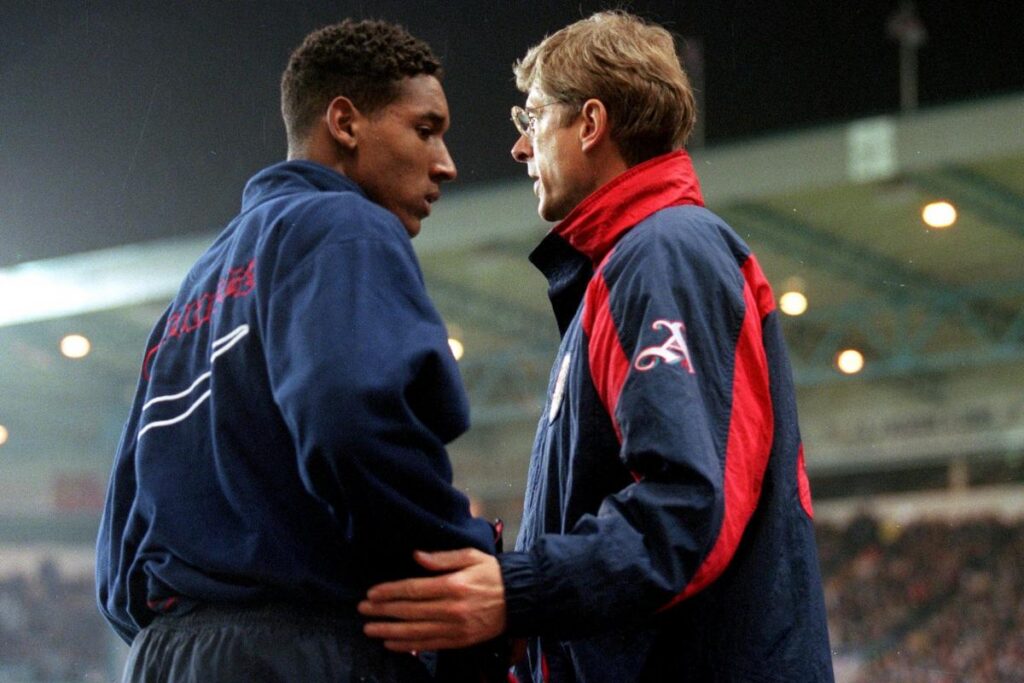
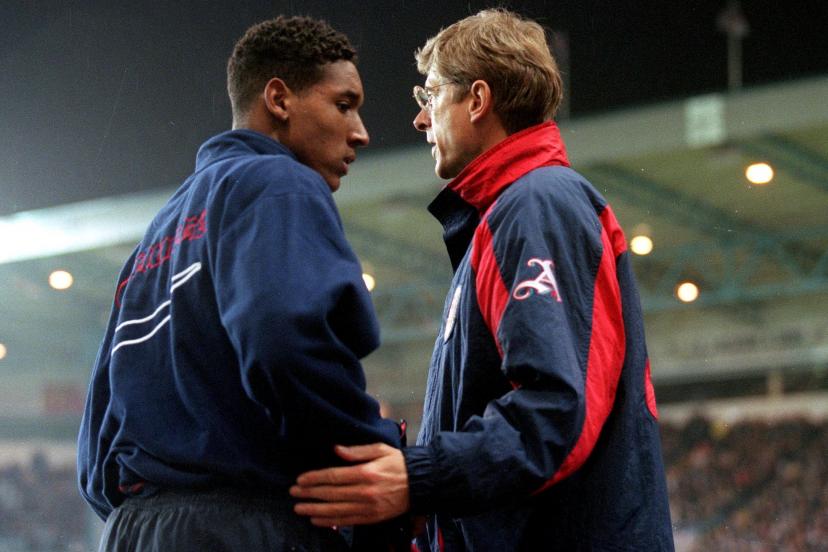
in february 1997, a 17-year-old nicolas anelka stunned Paris saint-germain by completing a free transfer to arsenal, triggering a legal standoff that exposed deep divisions in european football’s regulatory landscape.
«there were no winners, no losers.» on 22 february 1997, michel denisot, then psg’s deputy president, attempted to downplay the controversy as he announced the shock transfer of teenage striker nicolas anelka to arsenal. while the Paris-based club secured 5 million francs (€1.19m adjusted for inflation) in compensation, the 17-year-old’s move from a €900 monthly wage to a staggering €119,000 monthly salary in england painted him as the clear victor in a five-week tug-of-war with his employers.
«the psg executives framed the deal to suit their narrative. they claimed i would never leave and no agreement with arsenal would ever materialize. yet here we are—there’s an agreement, and i’m going. so tell me, who’s the loser?» anelka retorted the same afternoon, having already signed his six-year contract with arsenal alongside his father in london.
«you wanted a joker? here it is.»
ricardo, psg manager, after anelka scored and assisted in september 1996
how did anelka’s promising start at psg unravel so spectacularly? having trained at insep’s clairefontaine academy, the trappes native made his professional debut in monaco on 7 february 1996 (0-1). just seven months later, his explosive entry against lens (4-0, 1 goal, 1 assist) earned him praise from then-manager ricardo: «you wanted a joker? here it is.»
frustrations mounted as psg offered anelka a six-year professional contract in autumn 1996, only for the teenager to reject it outright. «psg doesn’t trust young talent,» he declared in France football. «very few break through, and even those who do—like pascal nouma, francis llacer, or patrick mboma—remain substitutes well into their mid-20s.»
after touring london’s emirates stadium and meeting arsenal manager arsène wenger during the winter break, anelka’s family formally notified psg’s sporting director, jean-michel moutier, on 11 january 1997 of their son’s intention to leave at the end of his youth contract in june.
the bombshell dropped on 13 january when arsenal vice-president david dein faxed psg: «in accordance with international regulations, we will now contact your player, nicolas anelka.» the very next morning, anelka and his father inked a six-year deal with the london club, effective 1 july.
sidelined, suspended, and threatened with exile
when le parisien revealed the news on 15 january, psg reacted with fury. despite being slated to start in the european super cup first leg against juventus that evening (1-6), anelka was stripped of his place in the squad and sent back to his saint-germain-en-laye apartment. michel denisot condemned the player’s «utter lack of professionalism», suspending him indefinitely from the first team and threatening to loan him to servette fc until season’s end.
«anelka is not a free agent and cannot join arsenal,» snapped noël le graët, then head of France’s national football league (lnf). demanding that the french football federation deny anelka’s international transfer certificate, le graët argued that french regulations required youth players to sign their first pro contract with their training club.
«the european laws give me peace of mind.»
arsène wenger on the psg dispute
wenger dismissed french concerns, citing the 1995 bosman ruling as definitive proof of anelka’s right to move at the expiry of his contract. «once a player’s contract ends, they’re free to join any club without compensation,» he argued. «french regulations don’t apply beyond the country’s borders.»
fifa’s involvement only escalated tensions. sepp blatter, then fifa’s general secretary, weighed in with a controversial take: «the french seem upset about losing their young players, yet they rarely object when african or south american prospects leave for european giants. at 16, players should have the chance to join top teams and build their careers.»
with the fifa hearing looming and legal uncertainty clouding the outcome, psg and arsenal reached a hasty agreement in under 48 hours. «there was a gap in the net,» denisot later admitted. «it wasn’t a pleasant episode for either club. ultimately, everyone acted within their rights. the fuss erupted because a generational talent was leaving on a free transfer. nicolas was just a kid. ricardo and i wanted to nurture him while protecting his future—but he had made up his mind. we had little room to maneuver.»
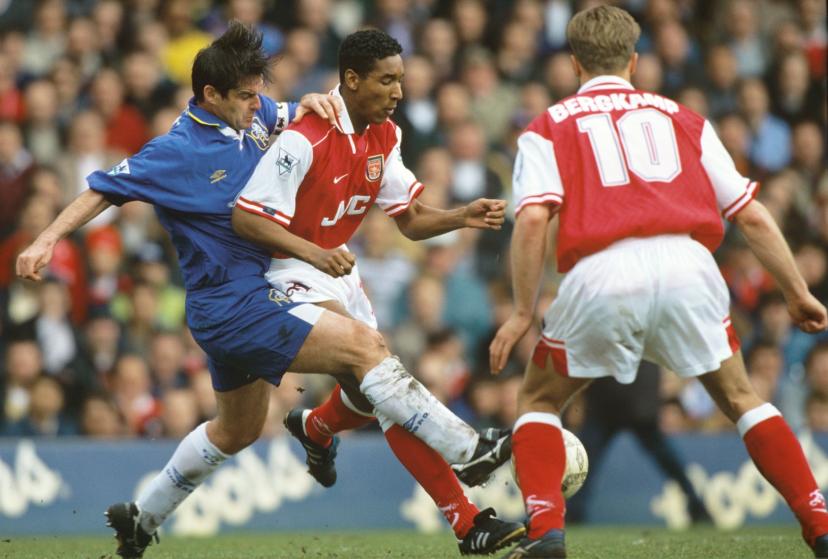
arsenal quickly reaped the rewards of the investment. despite limited playtime in his debut season—just four appearances behind dennis bergkamp and ian wright—anelka flourished in the following campaigns. in 1998-99, he became the first non-british player to claim the premier league young player of the year award. however, the london romance proved fleeting. by summer 1999, anelka’s rebellious streak resurfaced, and he joined real madrid for a then-record €51.6m.