
Significant disruptions in electricity distribution have hit the regions of Niamey, Dosso, and Tillabéri following a technical malfunction within the Zone Fleuve power grid. The national electricity provider, NIGELEC, confirmed the situation, noting that the issue was first identified in the early hours of the morning around 1:50 AM.
In response to the outage, specialized technical teams were dispatched immediately to address the fault and begin the process of restoring power to the affected areas. The company is working to bring the system back online as quickly as possible.
To mitigate the impact on residents and businesses while repairs are underway, NIGELEC has transitioned to local production facilities. While expressing regret for the inconvenience caused to its customers, the utility provider emphasized that efforts to resolve the technical incident are currently its top priority.
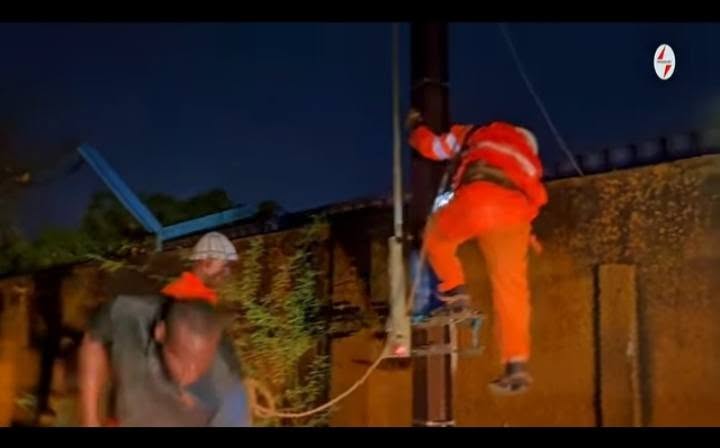
Managing the crisis with caution
The management at NIGELEC is maintaining a careful flow of information as they work to reassure a public caught off guard by the sudden blackout. Although the failure has been traced to the vital Zone Fleuve network, the precise nature and root cause of the breakdown have not yet been publicly detailed.
Behind the scenes, engineers are engaged in a rapid diagnostic phase to pinpoint the exact malfunction. Recognizing the economic and social consequences of the power cuts, the utility company is calling for patience from the public while the main infrastructure is secured and gradually reintegrated into the national grid.
A strategic geographic axis under pressure
The scale of this disruption is significant, as it impacts the administrative and economic heart of Niger. By affecting Niamey, Dosso, and Tillabéri, the incident threatens the operations of essential services. To prevent a complete blackout and protect critical infrastructure such as hospitals and government offices, NIGELEC has activated its emergency local power units.
This shift to backup generation serves as a temporary buffer. Although these local units cannot meet the full demand of the region, they provide a necessary lifeline until the primary network is fully operational again.