Chad’s Public Security Minister urges unified action against intercommunal clashes
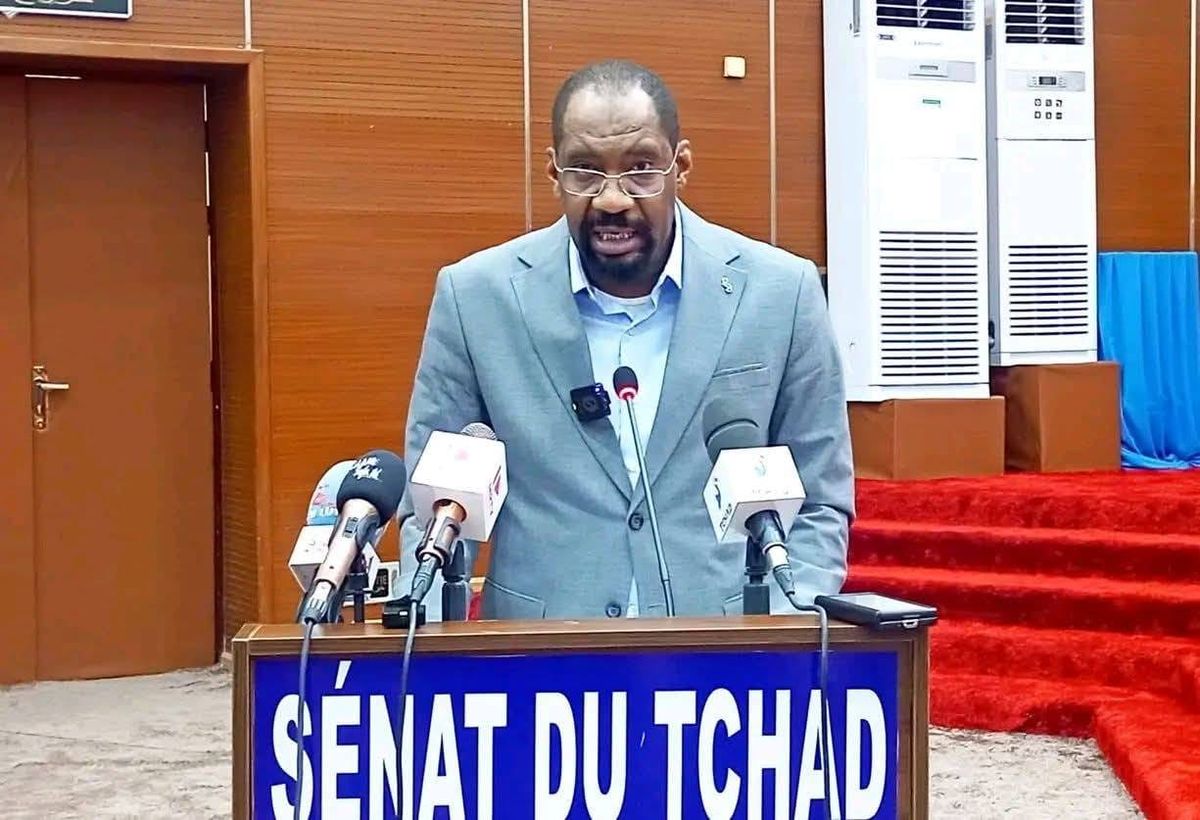
During a high-profile parliamentary session presided over by Senate President Dr. Haroun Kabadi, the Upper House dedicated its latest plenary meeting to addressing the pressing security challenges facing Chad. The focus was squarely on the rising intercommunal violence that has gripped several regions, prompting urgent discussions among legislators.
Senators raised critical concerns about escalating tensions between communities, particularly in remote provinces where state presence remains weak. They called for stronger government intervention, improved conflict prevention mechanisms, and enhanced operational capabilities for national defense and security forces. The debate highlighted the need for a more robust state presence in vulnerable areas to prevent further deterioration of social cohesion.
The Minister of Public Security and Immigration, General Ali Ahmat Aghabache, presented a comprehensive overview of the government’s response strategy. His presentation included sobering statistics: between 2024 and 2025, intercommunal violence claimed 318 lives and left 3,015 injured, while causing extensive property damage across multiple communities. These figures underscore the severe strain on national stability and social harmony, threatening decades of development progress.
To counter this threat, the government has launched a multi-pronged security reinforcement plan. Key initiatives include:
- Increased patrols in high-risk zones using newly acquired motorized units
- Expansion of security personnel with the recruitment of 1,000 police officers and 1,000 gendarmes
- Enhanced community engagement through dialogue and local mediation programs
- Immediate response protocols for early detection of rising tensions
The Minister emphasized that lasting peace cannot be achieved through security measures alone. He stressed the importance of a holistic approach that integrates community dialogue, traditional and religious mediation, and public awareness campaigns. “The fight against intercommunal violence requires the commitment of every segment of society,” Aghabache stated, urging collaboration between government agencies, civil society, and local leaders.
This parliamentary exchange served as a stark reminder of the security challenges Chad continues to face. Yet it also demonstrated the government’s unwavering commitment to restoring peace, reinforcing national unity, and ensuring the safety of all citizens across the country.