“Rigged elections,” “predictable outcomes,” “incumbent victories in the first round” — these phrases have become almost synonymous with the presidential elections held across Africa in 2025. The trend? Opposition candidates were systematically sidelined before campaigns even began. The most recent examples came just days apart: first in Djibouti on April 10, where incumbent President Ismaïl Omar Guelleh secured a sixth term with 97.8% of the vote, followed by Bénin on April 12, where technocrat Romuald Wadagni — widely seen as Patrice Talon’s chosen successor — claimed victory with 94% of ballots cast. Both races lacked any real competitive edge.
In Djibouti, opposition leader Alexis Mohamed withdrew his candidacy under pressure. While he cited safety concerns as a factor, the primary barrier proved far more concrete: prohibitive nomination fees that priced out all but the most well-funded candidates. Observers described the vote as little more than a “ceremonial exercise,” a process stripped of genuine choice.
The price of democracy
This pattern has become a defining feature of elections across West Africa. Candidates face escalating costs at every stage — from registration deposits to campaign expenditures — creating an uneven playing field where only the wealthiest or most connected contenders can realistically compete. The result? Incumbent leaders routinely cruise to victory without meaningful opposition, their re-election narratives reinforced by administrative hurdles rather than voter preference.
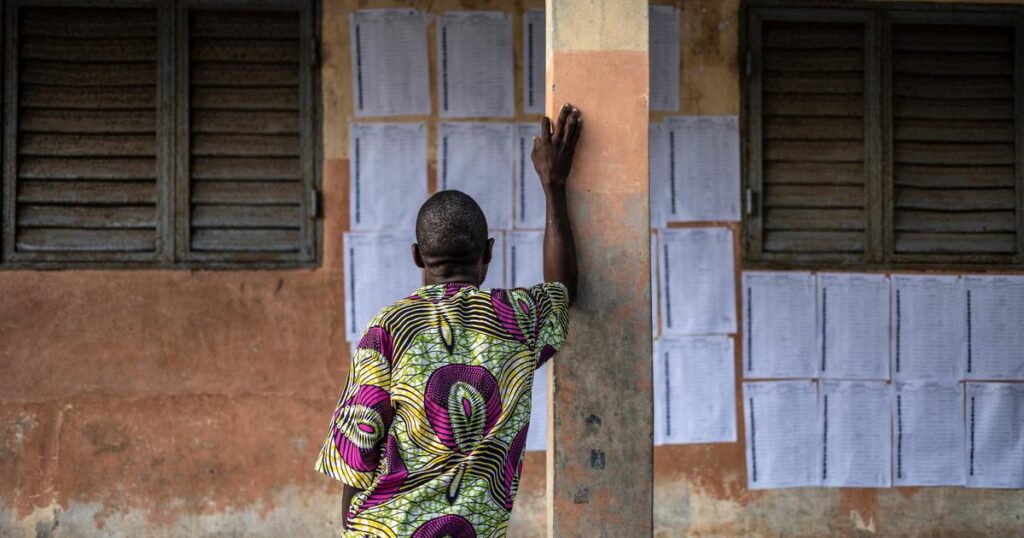
In Bénin, the system’s flaws were laid bare during the April vote. Despite initial promises of reform, the election commission maintained steep registration fees that forced smaller parties to abandon their bids. The outcome mirrored Djibouti’s: a landslide victory for the establishment candidate, delivered under the veneer of procedural legitimacy.
Who really wins?
The system now dictates that political survival depends less on policy proposals or public support than on financial stamina. Nomination fees — often running into the tens of millions of CFA francs — act as a de facto exclusionary tool, filtering out grassroots challengers while reserving the ballot box for a narrow elite. Critics argue this amounts to “monetary disenfranchisement,” where the right to run for office becomes a privilege of the affluent.
As these elections demonstrate, the cost of contesting power in West Africa has reached stratospheric levels. The message to opposition figures is clear: participation comes at a price too high to pay.