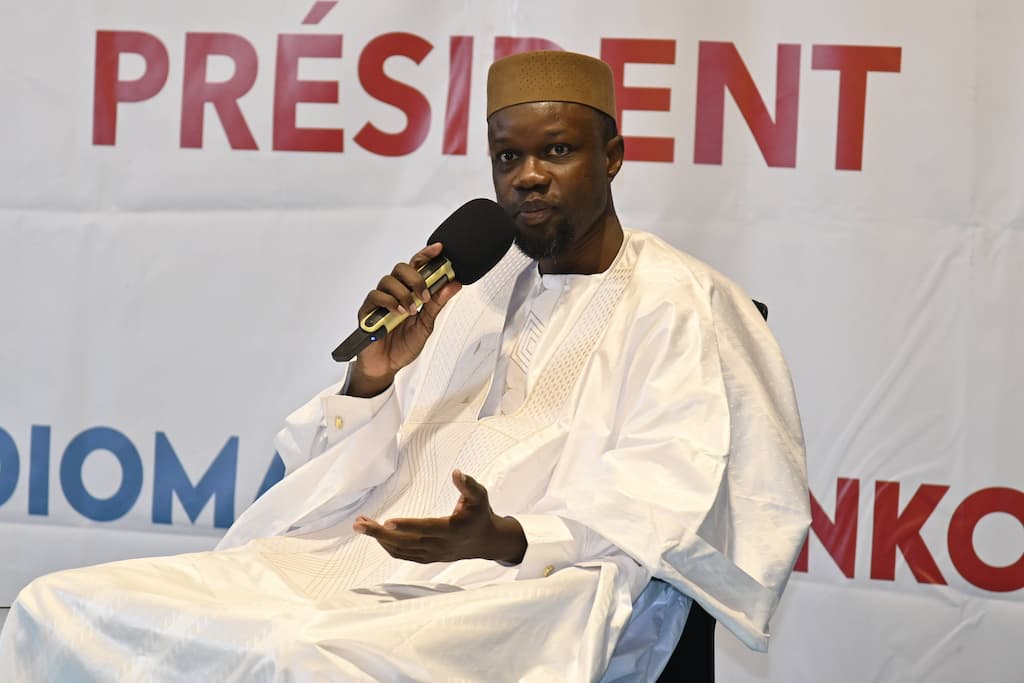
Tensions are rising in Senegal over homosexuality legislation after Prime Minister Ousmane Sonko strongly criticized Western attempts to influence local laws. Speaking to lawmakers, Sonko condemned what he described as an attempt by Western nations to impose their cultural values, including acceptance of homosexuality, on African societies.
The Senegalese government recently approved stricter penalties for same-sex relations. Under the new law, passed on March 31 by President Bassirou Diomaye Faye, individuals involved in such acts now face between five and ten years imprisonment, doubling the previous sentences. This move follows multiple arrests in recent months related to alleged homosexuality, highlighting the growing public and legal opposition to LGBTQ+ rights in the country.
Prime minister accuses western nations of cultural imposition
During a parliamentary session, Sonko did not mince his words. He described Western pressure as a form of “tyranny,” questioning the moral authority behind these demands. “There is a sort of tyranny at play,” he declared, adding that a small group of Western nations, particularly France, were attempting to dictate moral standards globally through their influence and media control.
He emphasized that while Western countries may choose their own societal norms, Senegal would not accept external lessons on morality. “If they have chosen these practices, that is their concern,” he stated. “We do not need or want their guidance, and we certainly will not tolerate any interference in our legal or cultural affairs.”
No compromise on new legislation
The Prime Minister also dismissed calls for a moratorium on the enforcement of the new law. In his view, Western criticism stands in stark contrast to the silence of other nations in Africa, Asia, and the Arab world, which, according to him, share Senegal’s stance on the matter. He warned that the government would not hesitate to strengthen the law further if necessary, signaling a firm commitment to upholding traditional values.
Sonko’s remarks reflect a broader sentiment in Senegal, where public opinion largely opposes LGBTQ+ rights. The government’s stance appears resolute, with no indication of backing down despite international scrutiny or potential diplomatic repercussions.