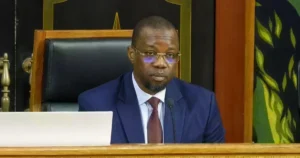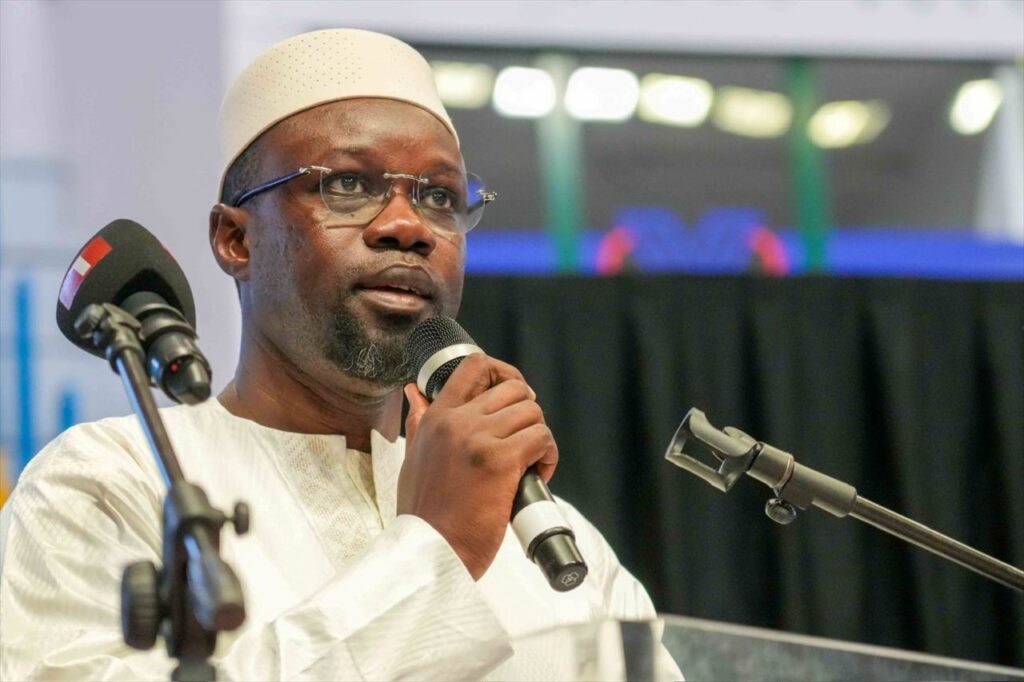

The political landscape in Senegal continues to evolve with unexpected twists as the country grapples with a deepening crisis. Just 48 hours after the abrupt removal of Prime Minister Ousmane Sonko, the president of the National Assembly, Malick Ndiaye, announced his resignation from the top parliamentary post this past Sunday, May 25. The decision came shortly after a closed-door meeting of the ruling Pastef party, to which he belongs.
In a heartfelt statement posted on social media, Ndiaye reflected on his decision, emphasizing personal conviction and a commitment to the nation’s best interests. “After careful consideration and reflection, driven by a sense of responsibility and the greater good, I have chosen to step down from my role as President of the National Assembly of Senegal,” he wrote. “This move stems from my deep belief in the integrity of institutions and the public good.”
Since assuming the leadership of the Assembly, Ndiaye had dedicated himself to strengthening parliamentary democracy, promoting transparency in governance, and enhancing the institution’s reputation both at home and abroad. His departure marks the end of an era for the Assembly, where he worked alongside lawmakers and staff to uphold democratic values.
The same day, the Assembly also reinstated Sonko as a deputy, setting the stage for a high-stakes leadership contest. By Tuesday, May 26, a new president of the Assembly will be elected—and all signs point to Sonko as the frontrunner. With his party holding a commanding majority in Parliament, his ascension to the second-highest office in the land seems imminent. In a stunning reversal, he could transition from a dismissed prime minister to the Assembly’s presiding officer within a mere 72 hours.
The political dynamics in Senegal are shifting rapidly. What was once a unified leadership under Bassirou Diomaye Faye and Ousmane Sonko is now evolving into a high-stakes rivalry. As the country braces for local elections and gears up for the 2029 presidential race, alliances will be tested, power balances will shift, and strategic maneuvers will dominate the national discourse.
One critical question remains unanswered: Will President Bassirou Diomaye Faye exercise his constitutional power to dissolve the Assembly when the legal deadline expires in December? Until then, the nation watches anxiously, awaiting the announcement of a new prime minister tasked with forming a government in an already tense political climate.