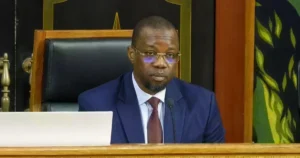
After months of political tension gripping Dakar, President Bassirou Diomaye Faye has terminated the mandate of Prime Minister Ousmane Sonko, effectively ending a fragile cohabitation at the helm of Senegal’s government. The move, which follows escalating disputes over policy and governance, has thrust the country into uncharted political waters. Sonko, founder of the Pastef party and a key figure in the 2024 electoral victory, has swiftly pivoted to leveraging his parliamentary dominance, signaling a new phase of institutional confrontation.
An executive partnership that collapsed under pressure
The Diomaye-Sonko tandem had been hailed as a groundbreaking experiment in African governance when it emerged from the March 2024 presidential election. The president, initially a stand-in candidate after his mentor’s ineligibility, and his prime minister shared a delicate balance of power: institutional legitimacy versus partisan influence. While supporters praised this arrangement as a model of democratic innovation, its structural fragility was evident from the outset.
Tensions mounted steadily over reform agendas, judicial legacy cases from the previous administration, economic policy direction, and the pace of campaign promises. As President Faye consolidated his authority, the prime minister’s room for maneuver dwindled. Senegal’s constitutional framework, which vests sweeping executive powers in the presidency, offered no viable path for a shared leadership model where both figures claimed a direct mandate from the 2024 electorate.
From government to parliament: Sonko’s strategic pivot
Dismissed from office, Ousmane Sonko has not retreated from the political arena. By retaining control over the parliamentary majority secured in the snap legislative elections, he has transformed the National Assembly into both a bastion of opposition and a platform for sustained political pressure. This maneuver mirrors historical precedents across the continent, where leaders sidelined from executive power have used legislative influence to shape national discourse.
For President Faye, this shift presents a formidable challenge. With a parliamentary bloc still loyal to his former premier, legislative initiatives—from budget approvals to major reforms—now hinge on navigating an internal power struggle within the ruling coalition. The appointment of a new government and the passage of key policies will require delicate negotiations, testing the cohesion of the Pastef movement itself.
National and regional stakes of the political schism
The fallout from this rupture extends beyond personal ambitions. It calls into question the future of the Pastef’s sovereignist agenda, which includes renegotiating oil and gas contracts, revisiting the CFA franc arrangement, auditing public finances, and redefining migration policies. International partners—from the International Monetary Fund to investors in the Sangomar and Grand Tortue Ahmeyim offshore fields—are closely monitoring Senegal’s institutional stability, a nation long regarded as West Africa’s democratic showcase.
Regionally, the timing could not be more delicate. As the Economic Community of West African States (ECOWAS) grapples with the withdrawal of Sahel states into the Alliance of Sahel States, Senegal’s role as a mediator risks being undermined by internal instability. Whether President Faye can assemble a new cabinet capable of restoring order—or whether Sonko’s grassroots supporters take to the streets—remains uncertain. The coming weeks will reveal whether this second democratic alternation in Senegal will strengthen its democratic institutions or expose deeper fractures.