With more than 400 km of shared border with Mali and deep commercial ties to its eastern neighbor, Senegal is taking decisive steps to address the escalating crisis in the Sahel region. Authorities in Dakar are quietly but firmly reinforcing their counterterrorism measures, determined to prevent spillover from destabilizing the country.
tightened controls along the eastern frontier
Senegalese officials remain tight-lipped about recent incidents, including attacks on transport convoys and trucks set ablaze near the Malian border since late April. When pressed for details, a foreign ministry spokesperson offered a measured response: “We are closely monitoring the situation, particularly the concerns of transporters. At this stage, no repatriation requests have been received, but we continue to stay vigilant.”
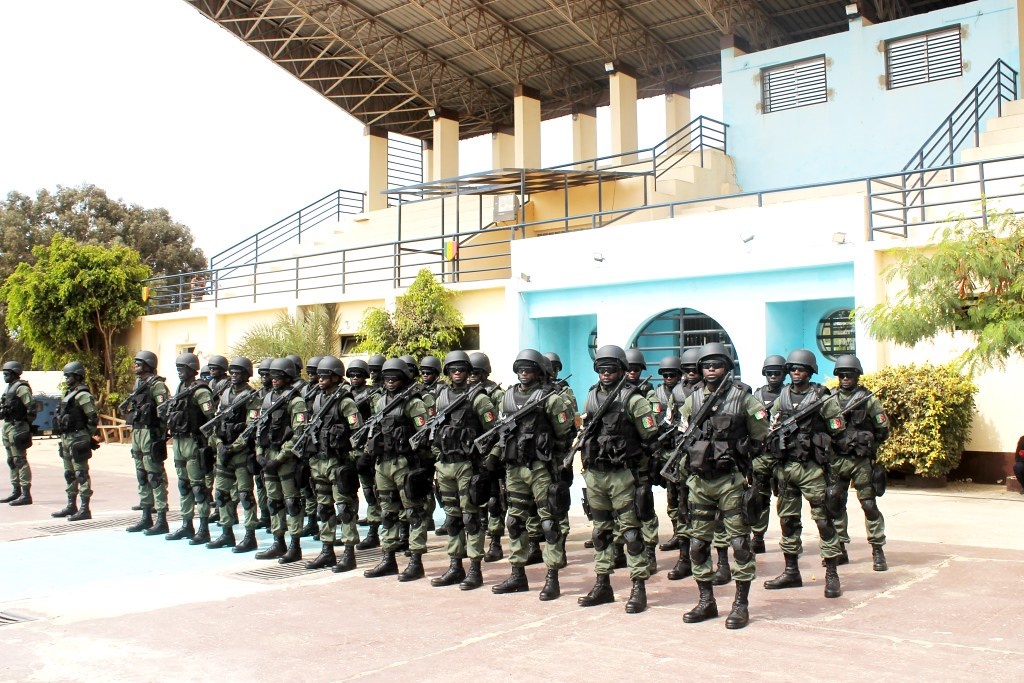
Despite the discretion, the Senegalese government is acutely aware of the growing jihadist threat sweeping across West Africa. In response, substantial investments have been made to bolster security infrastructure along the Mali border, especially in the southeastern regions of Tambacounda and Kédougou. On April 8 and 9, 2026, three new operational bases were inaugurated for the Garsi 2 rapid response unit in Saraya, a project funded by the European Union.
Garsi and Cico: the backbone of Senegal’s security strategy
These new bases are designed to enhance Senegal’s counterterrorism and transnational crime response capabilities. According to military sources, they serve as the “advanced eyes” of the national security apparatus, enabling faster intervention times and closer engagement with local communities. “With 420 km of border to monitor, it’s impossible to station troops at every point. We focus instead on critical transit zones, where these bases allow for rapid reaction in emergencies,” explained a senior army officer.
The Garsi units—one stationed in Kidira and another in Saraya, Kédougou—are highly mobile and well-equipped to respond to threats. They conduct joint border patrols with other security forces, ensuring comprehensive coverage. Additionally, the Cico (Interministerial Coordination and Intervention Framework) plays a crucial role in orchestrating multi-agency responses to potential attacks, from medical evacuations to securing crime scenes.
investing in defense and regional collaboration
The Senegalese government has significantly ramped up defense spending in recent years. Between 2020 and 2025, Senegal ranked as the second-largest arms importer in sub-Saharan Africa, accounting for 8.8% of regional purchases. Notable acquisitions include the Puma M36 armored personnel carriers, designed to withstand landmines and improvised explosive devices—a direct response to lessons learned from Sahel conflicts. In 2025, major defense contracts were also signed with Turkey.
Beyond military measures, Senegal is prioritizing regional cooperation. The country has reiterated the need for stronger intelligence-sharing and coordinated action among West African nations, stressing that terrorism and insecurity are continental challenges. President Bassirou Diomaye Faye emphasized this point in a recent interview, warning that no country is immune to the threat, citing examples from Nigeria to the United States.
cultural and religious resilience as a shield
Experts highlight Senegal’s social cohesion as a key factor in its relative resilience to jihadist infiltration. Professor Bakary Sambe of the Timbuktu Institute notes that ethnic and religious communities in Senegal—such as the Bassari, Bédik, and Peul—live in harmony, creating a cultural bulwark against divisive tactics. Mixed marriages and mutual respect further strengthen this cohesion, particularly in border regions like Kédougou.
Religious leaders, including Sufi figures, also play a vital role in preventing radicalization. Their collaboration with the government helps mitigate the spread of extremist ideologies. As President Faye pointed out, “What affects Mali affects Senegal—we share the same history, the same people. The Senegalese government and people stand ready to support Mali in its quest for peace.”
While Senegal continues to reinforce its borders and deepen ties with regional partners, authorities acknowledge the challenges posed by porous frontiers and the interconnected nature of Sahelian communities. Yet, through a combination of military preparedness, social unity, and diplomatic engagement, the country remains steadfast in its commitment to stability.