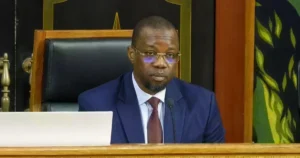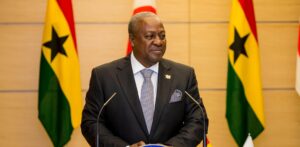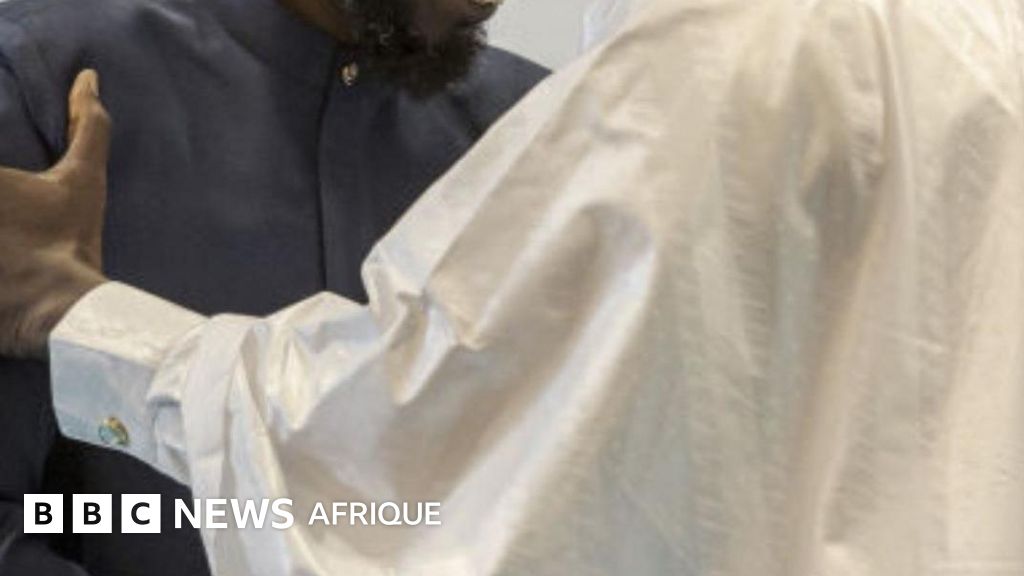
The abrupt end to the partnership between Bassirou Diomaye Faye, President of the Republic of Senegal, and his Prime Minister Ousmane Sonko after just two years in office has sent shockwaves through West Africa. Once hailed as a model of stability, Senegal now faces intense scrutiny over this unexpected political rupture.
Diverging visions on governance
At the heart of the split lies a fundamental disagreement over the direction of the country’s leadership. While Diomaye Faye prioritized pragmatic policies to stabilize the economy, Sonko advocated for more radical reforms, including a sweeping overhaul of the judiciary and security sectors. This clash of philosophies created an unsustainable rift within the executive branch.
Economic policy clashes
The two leaders found themselves at loggerheads over key economic decisions, particularly regarding foreign partnerships and debt management. Faye favored cautious engagement with international institutions to secure financing, whereas Sonko pushed for more assertive negotiations, risking diplomatic tensions. These opposing stances paralyzed critical policy-making processes.
Public pressure and political fallout
Mounting public dissatisfaction with Sonko‘s leadership style and his handling of economic challenges intensified internal pressure on Faye to reconsider his alliance. Protests and criticism from civil society groups further weakened the coalition, leaving the President with little choice but to dissolve the partnership.
Strategic realignment for the future
With the government reshuffle underway, Faye is now positioning himself for a new phase of governance. Analysts suggest this breakup may be an attempt to consolidate power and distance himself from controversial decisions associated with his former Prime Minister. The move could reshape Senegal’s political landscape in the coming months.