The Strategic Question Behind the Algeria-Niger Fiber Optic Breakthrough
As militants tighten their grip on the Niger-Sahel border, a new digital lifeline now stretches across the Sahara. The Algeria-Niger fiber optic corridor, activated at Assamaka, promises faster internet, economic growth, and reduced dependency on foreign gateways. But in a region where jihadist groups control swathes of territory, one question looms larger than bandwidth: can this 21st-century infrastructure survive the security storms of the 21st century?
Why Assamaka Became the Epicenter of a Digital Revolution
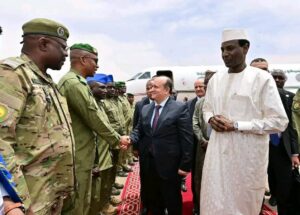
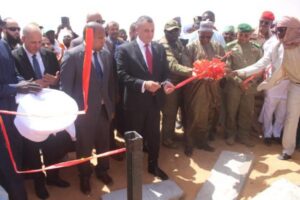
Perched at the edge of the Sahara, the dusty border town of Assamaka is not a typical setting for a technology milestone. Yet it was here, in the Agadez region, that Algeria and Niger jointly inaugurated their trans-Saharan fiber optic link on October 6, 2026. The ceremony marked the culmination of years of planning, funding, and construction under the Trans-Saharan Backbone (DTS) initiative—a regional project designed to connect landlocked Sahel nations to global data networks.
A Shared Investment, Not a One-Way Deal
The narrative often simplifies complex financial arrangements. While headlines may suggest a single financial transfer from Niamey to Algiers, the reality is more nuanced. According to the African Development Bank (AfDB), Niger’s national component of the project received approximately €43 million. This funding covered 1,031 kilometers of fiber optic cable, a Tier III national data center, and an 88-kilometer local loop. The total project cost exceeded 30 billion West African CFA francs, with financing coming from a mix of AfDB credits, European co-funding, and national contributions.
There is no public evidence of a direct payment from Niger to Algeria for access to the fiber. Instead, the financial architecture supports a shared infrastructure that benefits both nations—one that Algeria is positioning as a regional digital gateway.
What Niger Stands to Gain from the Fiber Optic Corridor
For Niger, a landlocked nation historically dependent on foreign internet gateways, the fiber optic link offers more than just faster internet speeds—it offers digital sovereignty.
Niger’s strategic position has long forced it to rely on neighboring countries’ infrastructure to access the global internet. With the new corridor, Niamey gains:
- A secondary high-capacity route to international bandwidth, reducing reliance on existing paths;
- Improved internet quality and reliability across the country;
- Enhanced competition among service providers, potentially lowering costs;
- Support for digital public services, e-commerce, and mobile financial solutions;
- Stronger connectivity for northern regions near the Algerian border.
The project also sets the stage for Niger to connect not only with Algeria but also with Nigeria, Benin, Burkina Faso, and Chad—expanding regional digital integration.
Yet, despite these promising benefits, the exact economic gains remain unspecified. How much the state will save annually, or how much revenue operators will generate, has not been disclosed by public authorities.
Algeria’s Calculus: Beyond Telecoms, a Digital Empire in the Making
For Algeria, the fiber optic corridor is not just an infrastructure project—it is a geopolitical lever. By extending its domestic fiber network to the Nigerien border, Algeria aims to position itself as the Sahel’s primary digital transit hub.
Algeria has already laid over 2,500 kilometers of fiber on its territory, connecting major cities to the frontier. In September 2026, Algeria Télécom and Niger Télécom signed an agreement to donate transmission equipment, enabling a 100-gigabit link between In Guezzam (Algeria) and Agadez (Niger). This move reflects Algeria’s broader strategy: to become the region’s digital gateway, leveraging its international submarine cables.
The benefits for Algeria are multifaceted:
- Commercial: hosting transit traffic generates revenue;
- Technological: reinforcing Algeria’s role as a regional tech leader;
- Diplomatic: strengthening influence in the Sahel;
- Strategic: countering competition from Russia, Turkey, Gulf states, and China.
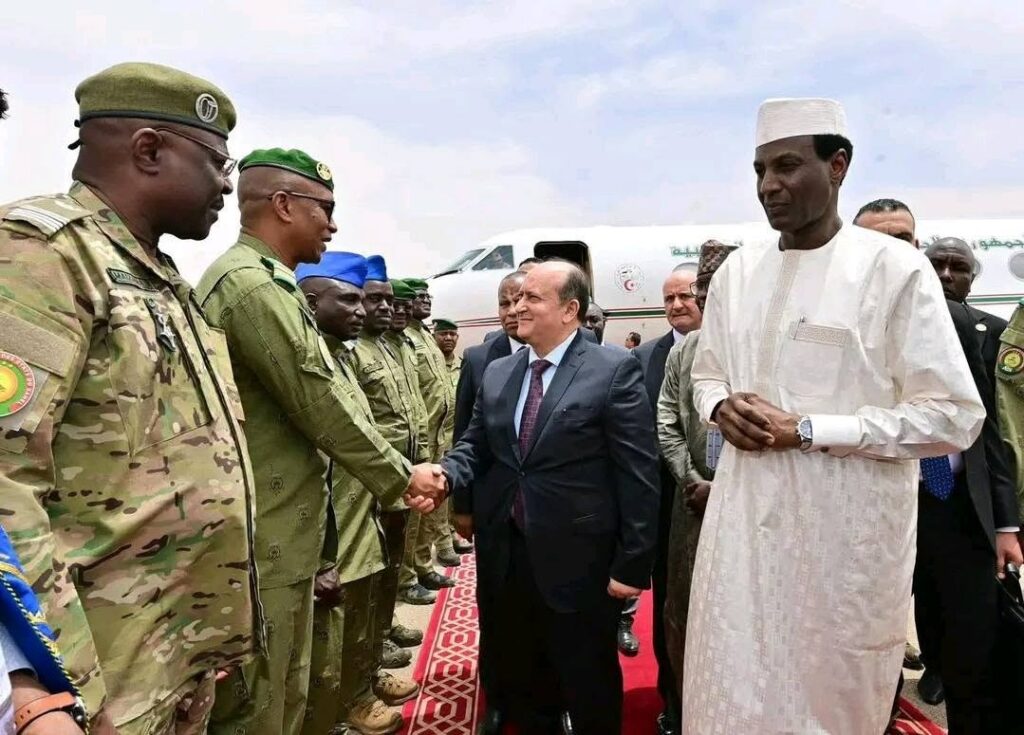
As Algeria deepens its economic and security ties with Niger—through infrastructure, energy, and joint anti-terror operations—it is weaving a web of influence that extends beyond oil and gas into the digital sphere.
The Looming Threat: Can This Fiber Survive the Sahel’s Security Storm?
The irony of the fiber optic breakthrough is that it runs through some of the most dangerous terrain in Africa. The corridor passes through Agadez, a region under increasing pressure from jihadist groups such as the Islamic State in the Greater Sahara (ISGS) and the Group for the Support of Islam and Muslims (GSIM), affiliated with Al-Qaeda.
The risks are twofold:
- Physical sabotage: militants have repeatedly targeted critical infrastructure, including oil pipelines and military bases.
- Operational disruptions: maintaining a 1,000+ kilometer fiber line in the Sahara is logistically complex, especially when flanked by conflict zones.
History offers a cautionary tale. In June 2021, a joint military-police patrol was ambushed near Assamaka, resulting in four deaths. And in June 2026, jihadists attacked Niamey’s airport and military base, demonstrating their capability to strike high-value targets deep inside the country.
Yet the fiber is more than just a cable—it is a sovereign asset. It carries government communications, financial transactions, public services, and national data. Protecting it will require more than patrols; it demands a coordinated security strategy.
The Security-Political Nexus: A Shared Responsibility
Recognizing the stakes, Algeria and Niger have already taken steps to secure their border. In February 2026, both nations agreed to enhance joint counter-terrorism efforts and strengthen border controls. Given Algeria’s experience in counterinsurgency and Niger’s urgent security needs, this cooperation could prove pivotal.
But the challenge remains: in a region where state control is fragmented, can a digital artery survive without becoming a target—or worse, a bargaining chip in the hands of armed groups?
The Bottom Line: Infrastructure as a New Currency of Power
While the financial returns of the fiber optic corridor remain uncertain, one thing is clear: it has redefined the geopolitics of connectivity in the Sahel.
Niger gains partial digital emancipation from its neighbors. Algeria gains influence as a digital gateway. The corridor is operational. The question now is whether it will remain intact, operational, and sovereign in the decades to come.
In the Sahara, fiber optic cables are easier to lay than to protect. Building a highway across the desert is a feat. Keeping it open, secure, and profitable may be the real challenge of the 21st century.