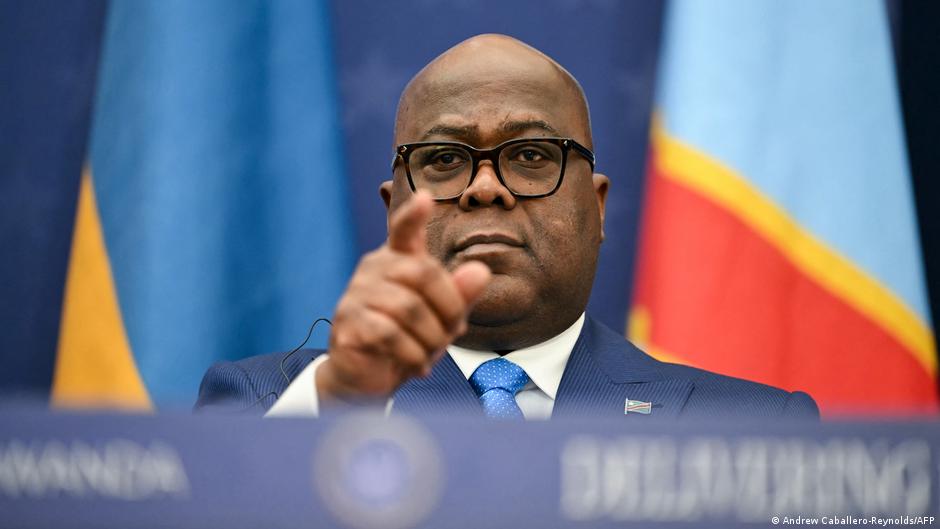
The legislative push to overhaul the supreme law of the République démocratique du Congo is creating a significant rift among the nation’s influential religious bodies. While the government’s initiative under Félix Tshisekedi finds favor with the Revival Churches, the Catholic Church is sounding a note of caution, urging the protection of democratic foundations.
This internal debate intensifies as the process enters a critical phase. National deputies have recently moved forward by adopting the proposed referendum law, signaling a clear step toward a potential national vote.
Revival Churches back the government’s vision
Leaders of the Revival Churches have aligned themselves with the administration’s perspective. They argue that the 2006 Constitution is no longer adequate for the country’s current institutional needs.
Archbishop Evariste Ejiba Yamampia, who heads the Revival Churches in the Congo, believes the reform is a pathway to better governance and national prosperity. According to him, the move is rooted in territorial sovereignty and the desire to improve the daily lives of citizens. He suggests that the changes could help the nation better utilize its vast wealth while cutting down on costly, inefficient bureaucratic entities.
Catholic Church prioritizes democratic stability
In contrast, the National Episcopal Conference of Congo (Cenco) has not yet issued a definitive statement. However, the Council for the Apostolate of Catholic Laity of the Congo (CALCC) has voiced its strong commitment to the existing constitutional framework, viewing it as the bedrock of Congolese democracy.
Faustin Onombili, president of the CALCC, emphasizes that the Church has consistently viewed the current Constitution as the pillar of the nation’s political identity. He notes that the Church remains a proponent of dialogue and wisdom, reminding those in power that governance is fundamentally a form of service. He has called on the Catholic laity and all citizens across the RDC to remain vigilant during this period of transition.
Political opposition voices strong dissent
The debate extends far beyond religious circles, fueling sharp political discord. Opponents of the administration have accused President Félix Tshisekedi of attempting to manipulate institutional rules to consolidate power.
The Article 64 Coalition, which has labeled the move a “constitutional coup,” had planned to file a legal complaint recently. However, they have redirected their focus toward organizing a major protest in front of the Parliament to voice their opposition directly.
As the country moves closer to a referendum, the polarization between those seeking to adapt the law and those defending the 2006 democratic framework continues to grow.