political shake-up in Senegal after president sacks prime minister
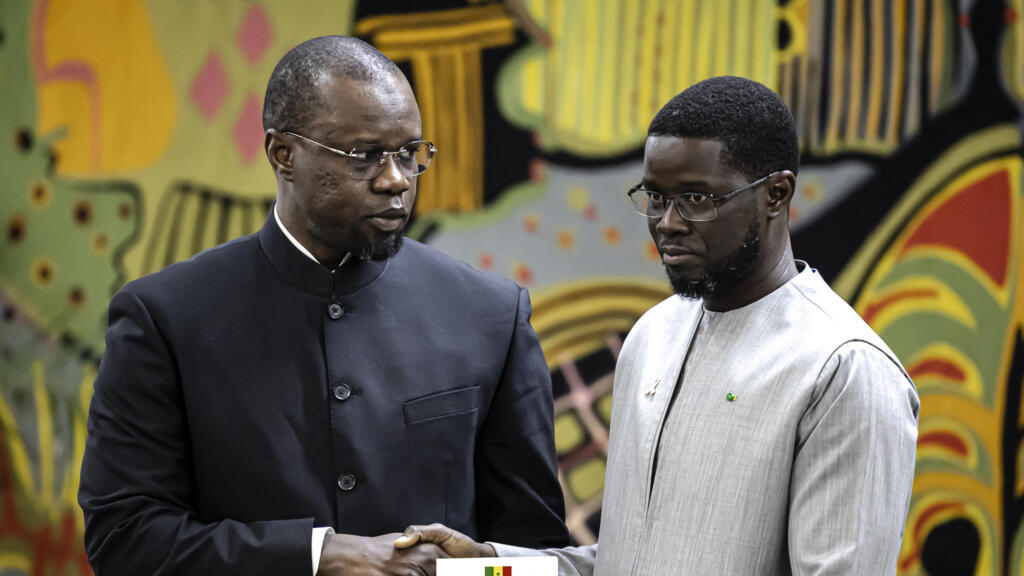
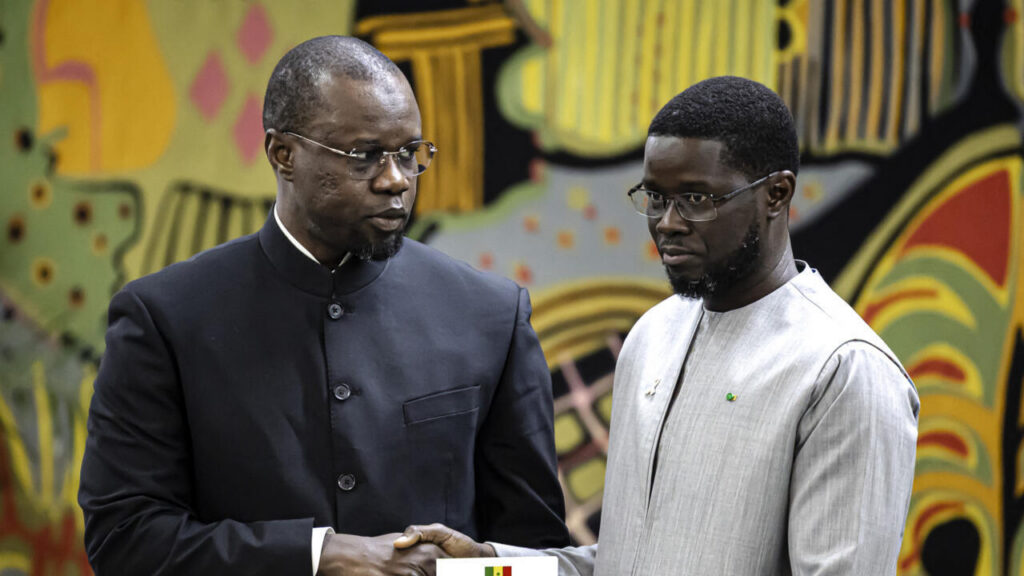
On Friday, May 22, President Bassirou Diomaye Faye dismissed his long-time ally, Ousmane Sonko, along with the entire government. By Sunday, the former Prime Minister had already returned to his role as a member of parliament. Meanwhile, the Speaker of the National Assembly, Malick Ndiaye, announced his resignation. Tomorrow, Tuesday, lawmakers will elect a new Assembly President—Ousmane Sonko could be the one. What emerges is a clear power struggle between the executive and legislative branches.
a political divorce long in the making
Xalima has argued for months that the Faye-Sonko partnership was built on an irreconcilable contradiction. “A Republic is not a jazz duet where two soloists can improvise freely without a shared score. Executive power, by its very nature, is unitary. African history—from Nkrumah to Sankara, Modibo Keïta to Laurent-Désiré Kabila—shows that cohabitation at the top between two equally strong wills always ends the same way: one is sidelined, or both are destroyed.”
months of escalating tensions
Dakar Actu traces the rift back to July 2025, when the first cracks appeared in the ruling tandem. Ousmane Sonko publicly accused the President of failing to defend him adequately against political attacks, calling it a “problem of authority.” The final rupture came just hours after a parliamentary question session, where the former Prime Minister openly challenged several presidential decisions, including the management of political funds. “The President made a mistake,” Sonko declared, sealing the split.
executive vs. legislature: the coming showdown
Could Ousmane Sonko now become the President’s main opponent? With his massive grassroots support, Sonko poses a real threat to Bassirou Diomaye Faye. Political analysts warn that the next battle will unfold in the Assembly itself. “The fight will shift to the National Assembly, where the President and the legislature could clash head-on,” says Moussa Diaw, political science professor at the University Gaston-Berger in Saint-Louis. He warns that the standoff could paralyze government action, especially as the executive pushes through major reforms—four bills on constitutional revision, the Constitutional Court, political parties, and an independent electoral commission—that are soon to be tabled in the Assembly.
a divided party and disillusioned youth
Au jourd’hui reports that the ruling Pastef party, now controlled by Ousmane Sonko, faces off against President Faye’s coalition. “It’s a battle between the Executive and the Legislature, a bitter power struggle ahead of the 2027 local elections and, above all, the 2029 presidential vote.” The divide has left Pastef supporters—especially young Senegalese who once rallied behind the Faye-Sonko duo—confused and disoriented.
sonko’s advantage?
Analyst Adrien Poussou, former Central African Minister of Communication and geopolitical expert, believes the odds may favor Ousmane Sonko. “Sonko’s party still dominates the national scene thanks to a militant base, a mobilized youth wing, and a powerful narrative forged during years of opposition to the Macky Sall regime. He remains the central figure. Even when blocked by the courts or absent from the ballot, it was around him that the hope for change crystallized.” Poussou acknowledges the President’s institutional legitimacy but warns that Sonko’s popular and militant legitimacy could prove decisive in any future confrontation.