The AFC/M23 rebellion continues to rely on military support from the Rwanda Defence Force (RDF) as it consolidates control over large parts of North Kivu and South Kivu provinces. The latest findings from the United Nations Group of Experts, submitted to the Security Council Committee on 8 May 2026 and reviewed on 5 June 2026, confirm sustained RDF involvement with no signs of a meaningful withdrawal.
The UN experts documented ongoing RDF presence in both Kivus, including fresh reinforcements. They reported that Rwandan troops are engaged on multiple fronts, deploying advanced military technology, aerial warfare capabilities, drones, electronic warfare equipment, and special forces. This operational support remains continuous and highly specialised.
According to the report, the RDF has conducted operations in areas where no FDLR activity had been recorded, particularly around Uvira. This undermines Kigali’s stated justification of self-defence for its military intervention under the guise of “defensive measures”.
As of December 2025, the RDF deployment in eastern DRC was conservatively estimated at 8,000 to 10,000 troops in South Kivu and 6,000 to 8,000 in North Kivu, with no significant reduction thereafter. Movements since then have consisted mainly of rotations and reinforcements.
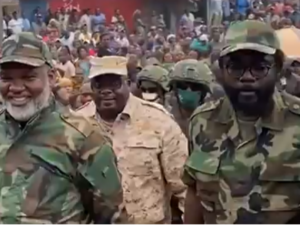
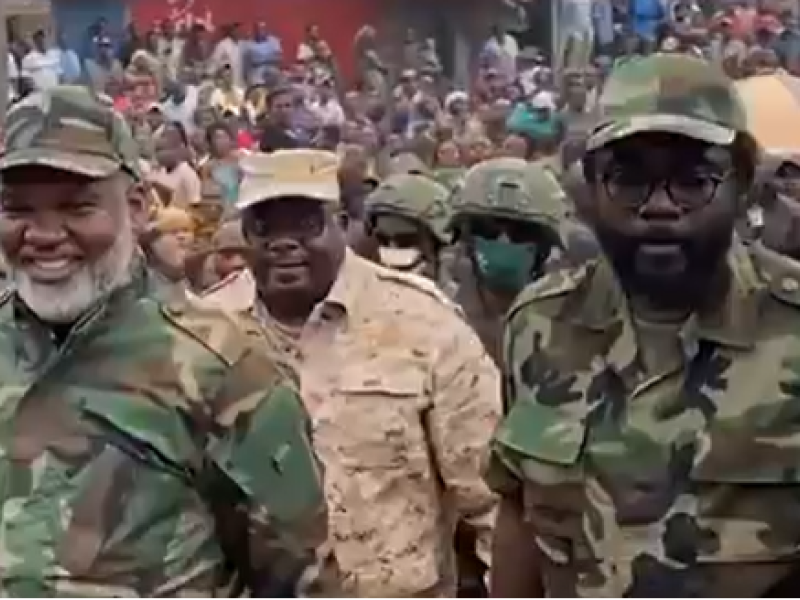
The experts noted that the RDF held strategic forward positions, conducted offensives, and opened operational corridors for the M23. Every M23 combat unit operated under RDF supervision and support. Rwandan personnel were integrated into mixed battalions alongside M23 elements, including commando units from Bigogwe, Rubavu and Cyangugu. Recently, some RDF troops in DRC have started wearing M23 uniforms to avoid detection, and troop movements are largely carried out at night.
This new UN report comes amid a deteriorating security and humanitarian situation in eastern DRC, despite the Washington Accord and subsequent review meetings. Tensions between Kinshasa and Kigali persist, with each side interpreting the accord differently, making its implementation difficult one year after its ministerial signing.
The Doha process, mediated by Qatar, has also stalled. Several rounds of talks have failed to bring Kinshasa and the Rwanda-backed AFC/M23 closer on key differences. The Montreux phase in Switzerland, intended to reinvigorate negotiations, did not achieve its objectives. Commitments from that stage remain unfulfilled, while the deteriorating security situation in the Middle East has further diverted attention from the mediation efforts.