Niamey’s sudden pivot toward Beijing amid financial strain
The government of Niger has executed a sharp about-face in its economic strategy, abandoning earlier defiance to ink critical oil agreements with the China National Petroleum Corporation (CNPC). This abrupt shift underscores the harsh reality faced by the military-led administration: economic survival trumps ideological posturing when state coffers run dry.
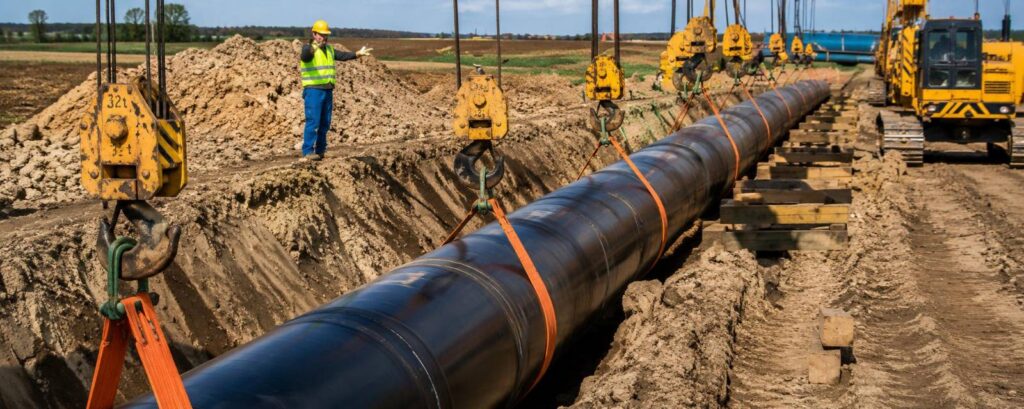
For months, Niamey had projected an unyielding stance, demanding sweeping revisions to terms governing oil extraction and the West African Pipeline Company (WAPCO) infrastructure. Yet the harsh arithmetic of governance—depleted revenues and severed international financing—left no alternative but to return to the negotiating table, tail between its legs. The resulting pact, while marketed as a triumph of Nigerien economic empowerment, reveals a far more urgent motive: securing immediate oil revenues to stabilize a financially hemorrhaging public treasury.
The deal promises a 45% stake for Niger in WAPCO, alongside pledges to prioritize local employment. However, critics argue these concessions are superficial, masking a deeper surrender to Beijing’s dominance over the oil value chain. From extraction to maritime export, Chinese state-owned enterprises retain near-total control, leaving Niamey little leverage to dictate terms.
Questions over transparency and long-term benefits
Opposition figures and independent economists warn that the newfound liquidity could become a slush fund for the ruling elite, evading international oversight. Without robust institutional checks, history suggests such windfalls often fuel patronage networks rather than public infrastructure or equitable growth.
The CNPC agreement may temporarily alleviate Niamey’s financial asphyxiation, but it does little to address the structural vulnerabilities exposed by the government’s isolation. Niger’s challenge now is to ensure these Chinese-backed revenues translate into tangible development—or risk perpetuating a cycle of dependency under a new geopolitical master.