Controversial legal reform targets same-sex relationships and LGBTQIA+ activism
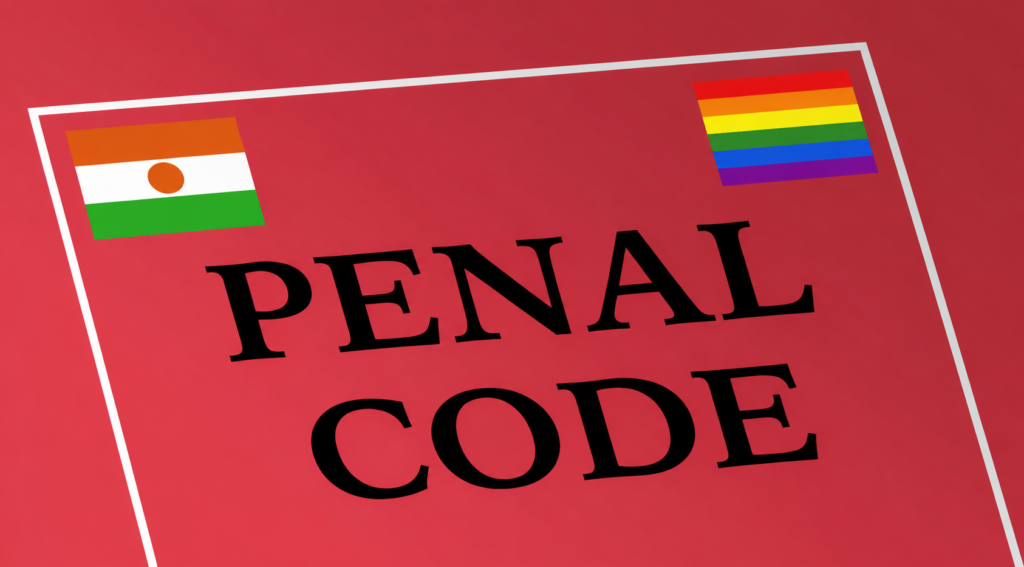
The Republic of Niger has entered a new era of legal enforcement, marking a decisive shift in its approach to LGBTQIA+ rights. For decades, the country operated without explicit legislation addressing same-sex relations, but a sweeping reform now criminalizes such conduct and associated activism under a newly enacted penal code. Promulgated in February by the military-led administration, the law introduces unprecedented penalties, including prolonged imprisonment and substantial financial sanctions.
Key provisions of the revised penal code
The updated legislation, now officially published, extends far beyond mere prohibition of same-sex relations. It encompasses a broad range of offenses with severe consequences:
- Basic penalties: Individuals found guilty of engaging in or attempting “indecent or unnatural acts” or participating in LGBTQIA+ practices face imprisonment ranging from five to ten years.
- Aggravated circumstances: Penalties can escalate to a maximum of 20 years in cases involving specific aggravating factors linked to these acts.
- Exorbitant fines: Financial sanctions reach up to 500 million West African CFA francs (approximately 750,000 euros), with no possibility of leniency or suspended sentences.
- Criminalization of activism: The law targets not only participants but also organizers, funders, or supporters of LGBTQIA+ groups, clubs, or associations. Even witnesses to same-sex marriages or events may be prosecuted under identical terms.
Government rationale: sovereignty and cultural preservation
Proponents of the reform, led by the transitional authorities under General Abdourahamane Tiani, frame the legislation as an alignment with national values and cultural integrity. Justice Minister Alio Daouda articulated this position publicly, asserting the necessity of adapting legal frameworks to reflect societal norms.
This stance aligns with a broader political narrative emphasizing sovereignism and resistance to perceived Western interference in domestic affairs. The government’s approach is not without precedent; earlier in 2024, authorities removed comprehensive sexuality education modules from school curricula and banned reproductive health awareness applications, citing their incompatibility with the country’s predominantly Muslim and conservative social fabric.
Regional trend toward stricter legislation
The Nigerien case reflects a growing regional pattern of legal repression against LGBTQIA+ individuals. Several neighboring nations have recently adopted or intensified anti-homosexuality laws, driven by political transitions and religious pressures:
- Niger (February 2026): Transitioning from legal ambiguity to one of the region’s most severe frameworks, with penalties reaching 20 years in aggravated cases and substantial fines.
- Senegal (May 2026): Doubled existing penalties for “unnatural acts,” now imposing a maximum of 10 years imprisonment.
- Burkina Faso (2025):
- Ghana (2024–2026): Finalized legislation criminalizing same-sex relations and advocacy, with sentences ranging from three to five years.
Human rights advocates raise the alarm
The enforcement of these provisions has sparked widespread concern among domestic and international human rights organizations. Critics warn that the legislation not only exacerbates stigma against an already marginalized minority but also increases risks of violence, false accusations, and extortion. Humanitarian actors operating in the region express particular alarm over the potential impact on essential health services, especially HIV prevention and treatment programs. With over 30 African nations now criminalizing same-sex relations, Niger’s move aligns it with some of the continent’s most restrictive jurisdictions.