Government cracks down on food price hikes linked to Middle East conflict
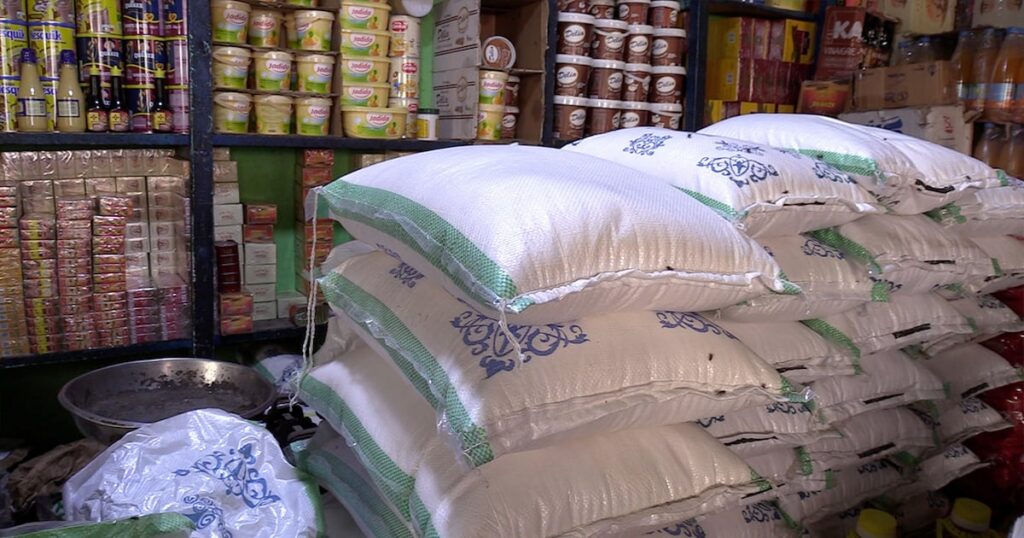
As global food prices surge due to the escalating conflict in the Middle East, Mauritania has launched a sweeping nationwide campaign to monitor and stabilize essential commodity costs. Authorities are particularly targeting staple goods like rice, cooking oil, and sugar to prevent price gouging.
Teams of inspectors have been deployed across Nouakchott, with operations expanding to other regions. Their mandate includes tracking market supplies, safeguarding consumer interests, and cracking down on fraudulent practices that could distort pricing.
Market players report stable prices despite regional tensions
Aissata Bâ, a marketing representative for imported food products, shared her perspective: “I handle a wide range of items like bouillon cubes, butter, and chocolate. To date, we’ve maintained our prices without any increases.”
Fatimetou mint Ahmed, a local consumer, echoed this sentiment: “Basic staples—oil, rice, sugar, and milk—remain at their usual prices. Despite occasional rumors, there’s been no actual surge in costs.”
Mohamed ould Bouh, a trader, confirmed the market’s stability, stating: “Current conditions are calm, with no signs of price manipulation.”
Strict penalties for price violators
Mauritanian authorities are taking a zero-tolerance approach. In late March, the Prime Minister, Mokhtar Ould Diay, announced the closure of multiple businesses and hefty fines for those caught inflating prices or engaging in anti-competitive practices as part of the government’s broader market oversight initiative.
The crackdown underscores Mauritania’s proactive stance in shielding its economy from external shocks while ensuring affordability for households.