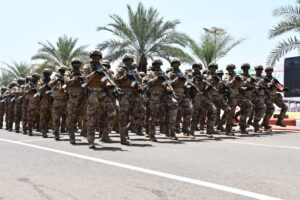
In the heart of West Africa, the struggle for territorial control in Mali has reached a critical juncture. From the vast northern deserts to the bustling streets of Bamako, the nation is caught in a complex web of insurgencies, military responses, and shifting alliances that leave the population in a state of constant vulnerability.
This instability is not a new phenomenon; its roots trace back to the 2012 collapse following a coup and the subsequent rise of Tuareg and jihadist movements. While the recapture of Kidal in late 2023 was hailed as a symbolic victory for the state, it did not signal the end of the war. Instead, it ignited a fresh cycle of violence and strategic retaliation across the country.
Current dynamics on the ground
The landscape of the conflict shifted dramatically throughout 2024. In September of that year, the GSIM, an Al-Qaeda affiliate, demonstrated its reach by targeting the Faladié gendarmerie school and the military airport in the capital. By the spring of 2026, coordinated strikes hit various locations, proving that the threat had moved far beyond the northern borders and into the seat of power.
To counter these mobile threats, the authorities implemented drastic measures in June 2026. These include banning large motorcycles outside urban centers and designating specific military zones where civilian presence is strictly prohibited. While intended to curb the movement of armed groups that strike and vanish, these restrictions have severely hindered local economies and limited access to essential humanitarian aid.
For those living in the affected regions, the consequences are devastating. Reports from mid-2026 highlight a rapid deterioration of human rights, with families displaced and communities cut off from food supplies following the latest wave of coordinated violence.
International friction and shifting alliances
The political dimension of the war has become increasingly global. Following a significant defeat of Malian forces and Russian partners near Tinzaouaten in 2024, the government accused Ukraine of providing support to Tuareg rebels. While Kiev and the Front for the Liberation of Azawad denied these claims, the narrative has been used to justify a harder stance against certain international actors.
This shift follows the total withdrawal of French military support after the termination of defense agreements in 2022. The vacuum left by previous partners was filled by Russian military structures, a move that bolstered the government’s sovereign rhetoric but has yet to provide a definitive solution to the spreading insurgency. Despite the presence of new security partners, the rebels and jihadist factions continue to challenge the state’s authority.
The human and political cost
The government maintains political momentum by framing the conflict as a defense against foreign interference, a strategy that consolidates domestic support despite the lack of a total military victory. Meanwhile, Tuareg rebels continue to push for the autonomy of Azawad, capitalizing on the absence of international peacekeeping forces and the shifting security landscape.
However, the jihadist factions are arguably the most opportunistic. By striking targets far from their traditional strongholds, they aim to demonstrate the state’s fragility and exhaust its resources. For the average citizen, the result is a life defined by displacement, fear, and a lack of basic necessities. In Bamako, the sense of security that once characterized the capital has been replaced by a state of high alert.
Future outlook
As the situation evolves, the focus remains on whether the current leadership can stabilize the country or if the combination of rebel pressure and jihadist incursions will lead to further escalation. The diplomatic ties between Bamako, Moscow, and regional neighbors will be crucial in determining the next chapter of this long-standing crisis. The coming months will reveal if Mali can find a path toward stabilization or if the cycle of violence will continue to expand.