Mali’s persistent quest for peace amid escalating conflict
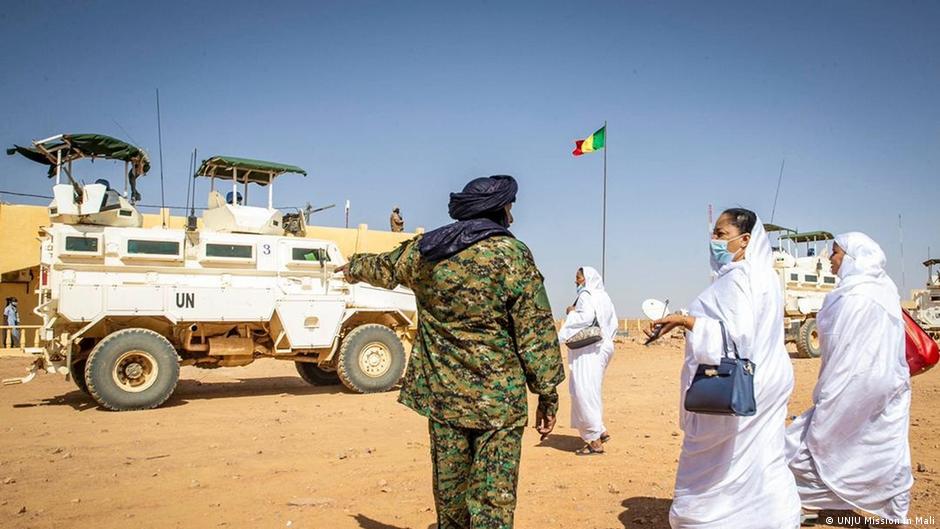
For many years, Mali has been embroiled in a profound security and political crisis.
The security crisis is marked by relentless assaults from jihadist and separatist armed factions. A recent, significant incident occurred on April 25th, when the capital, Bamako, was targeted in an attack that tragically claimed the life of Defense Minister Sadio Camara, among others.
Concurrently, a severe political crisis persists, characterized by the suspension of political party activities and the military’s firm grip on power, maintained since the coups d’état in 2020 and 2021.
In a significant development in November 2023, the Malian Armed Forces (FAMA), bolstered by Russian paramilitary support from the Wagner Group, successfully reclaimed Kidal. This strategic northern city had been under the control of rebel groups since 2012. This resurgence of hostilities effectively underscored the collapse of the 2015 Algiers Accord, originally brokered between the Malian government and northern separatist factions.
The Malian government officially declared the “immediate end” of the Algiers Accord for peace and reconciliation on January 25th, 2024. With the Algiers Accord abandoned, the conflict reignited. On April 25th, 2026, separatist forces including the Front de libération de l’Azawad (FLA) and the Groupe de soutien à l’islam et aux musulmans (JNIM) initiated a coordinated series of attacks across several cities, including Bamako, swiftly re-establishing control over Kidal.
To further understand these complex dynamics and the future of Mali peace efforts, we turn to insightful analyses from experts such as Étienne Fakaba Sissoko of the CFR, Gilles Yabi of WATHI, and sociologist Mohamed Abdellahi Elkhalil.