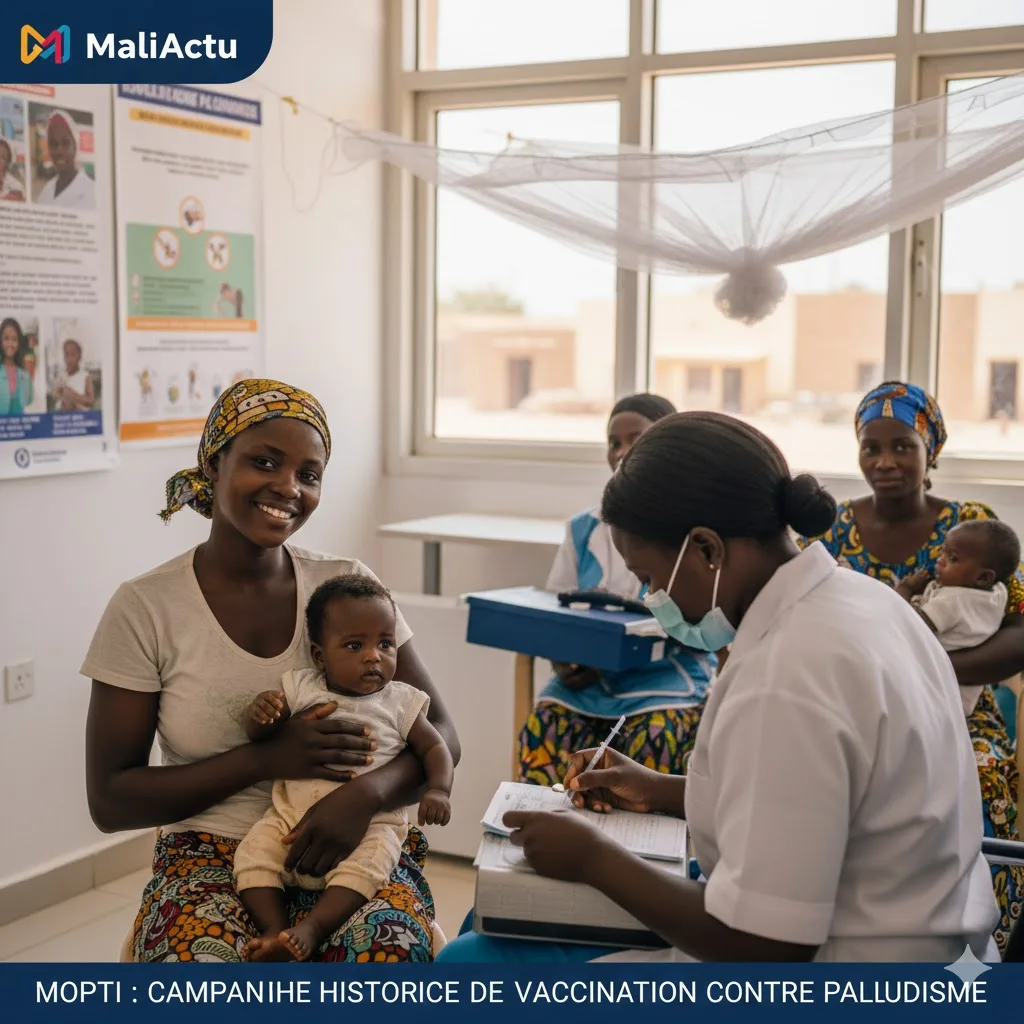
The Republic of Mali has stepped up its fight against malaria by introducing the R21/Matrix-M vaccine, endorsed by the World Health Organization (WHO). In the regions of Kayes and Mopti, this groundbreaking immunization campaign is testing a hybrid vaccination strategy designed to maximize protection for children under five, the most vulnerable group.
A coordinated effort involving the WHO, Gavi, and UNICEF has integrated the R21/Matrix-M vaccine into Mali’s Expanded Programme on Immunization (EPI). This deployment targets 19 high-risk districts across five regions, with Kayes and Mopti serving as the primary testing grounds for this innovative approach.
how the hybrid strategy works
Unlike traditional vaccination programs, Mali’s strategy employs a two-tiered administration method to ensure robust immunity:
- Age-based dosing: Ensures foundational immunity is established early in life.
- Seasonal vaccination: Doses are timed to coincide with the rainy season, when malaria transmission peaks, providing optimal protection when it’s needed most.
Kayes and Mopti: leading the charge
The selection of Kayes and Mopti as pilot regions reflects their high malaria burden. In Mopti, despite logistical hurdles, health authorities and partners have streamlined distribution, ensuring timely delivery. Meanwhile, Kayes benefits from strong community engagement, which is critical for maintaining the booster schedule essential to the vaccine’s long-term effectiveness.
a complementary tool, not a standalone solution
Health officials emphasize that the R21/Matrix-M vaccine is a powerful addition to Mali’s malaria-fighting arsenal, but it does not replace existing measures. Key complementary strategies include:
- Insecticide-treated bed nets: Provide nighttime protection against mosquito bites.
- Seasonal Malaria Chemoprevention (SMC): Works in tandem with the vaccine to reduce infection rates during peak transmission periods.
a path to reducing child mortality
The ultimate goal of this initiative is to dramatically cut malaria-related deaths among children under five. Successful implementation in Kayes and Mopti will pave the way for nationwide expansion, reinforcing Mali’s commitment to public health innovation and child survival.