Mali: The rising shadow of JNIM over Bamako
As the Malian junta clings to power and jihadist groups tighten their grip, citizens face an impossible dilemma. The military regime’s hollow assurances clash with the advancing agenda of the Group for the Support of Islam and Muslims (JNIM), leaving Malians caught between two existential threats.

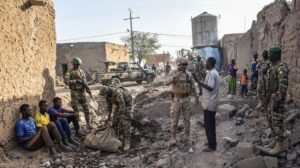
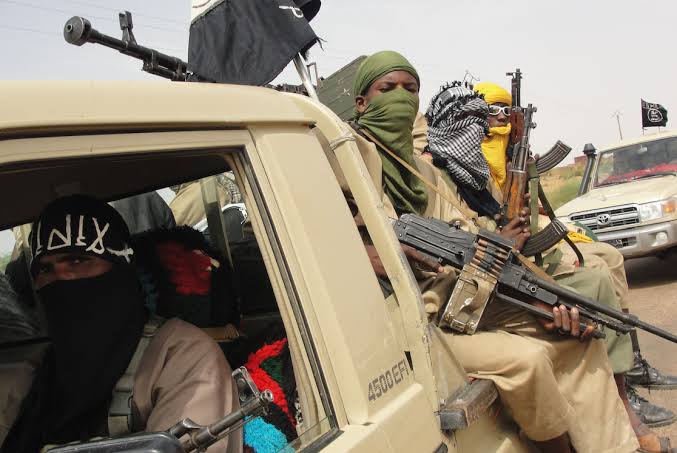
The sudden reappearance of JNIM’s leadership three days after the coordinated assaults on April 25 has only deepened public unease. While General Assimi Goïta publicly declared the situation “under control” in a speech on April 29, the reality on the ground tells a different story. The separatist Front for the Liberation of Azawad (FLA) has reclaimed Kidal, and JNIM’s fighters have effectively cut off Bamako from the rest of the country. Yet, instead of addressing the strategic failures that allowed this encirclement, the junta resorts to defiant rhetoric, vowing to crush the armed factions without ever explaining how its weakened forces can achieve such a feat.
The grim calculus: Junta versus Sharia
JNIM’s recent communiqué leaves little room for doubt. Once in power, the group vows to impose a strict interpretation of Islamic law across Mali. In areas already under its control, populations live under the harsh dictates of sharia, where dissent is unthinkable. Some opposition figures, desperate to unseat the junta, speculate that a tactical alliance with JNIM might soften its demands—perhaps to a “moderate” version of Islamic governance. Yet the group’s statements offer no reassurance. Its vision for Mali is uncompromising, and its victory would spell the end of democratic aspirations.
The military leadership, having seized power six years ago, has systematically crushed political opposition, jailed critics, and driven dissent into exile. By eliminating peaceful avenues for change, the junta has inadvertently elevated armed extremism as the most viable option for those seeking an alternative to its rule. The irony is stark: a regime that promised stability has fostered the very conditions that now threaten its survival.
A regime in denial, a nation in peril
In the aftermath of the April 25 offensive, the junta’s response has been one of repression, not reflection. Arrests among military ranks and the abduction of prominent lawyer Mountaga Tall on May 2—allegedly by state security agents—highlight a leadership increasingly isolated and desperate. The pattern is familiar: dissent is met with force, and the space for civic engagement shrinks daily.
The junta’s latest promises of a “new Mali” ring hollow, just as JNIM’s own vision of governance offers no clear path to stability. Both factions, though ideologically opposed, share a disregard for constitutional order and democratic norms. The result is a nation trapped in a downward spiral, where neither side offers a credible way forward.
With Bamako under blockade and the economy suffocating, the junta clings to empty triumphalism, while JNIM’s fighters tighten their stranglehold. For Malians, the choice is no longer between competing visions of governance—it is a choice between two forms of tyranny. And in this impasse, the future of the country hangs in the balance.