Luxembourg pledges €15 million to reshape Benin’s port workforce training
The CAP-PORT initiative targets Benin’s port and logistics sectors by funding vocational training for unemployed youth, women, and low-skilled workers. While the €15 million (9.8 billion FCFA) agreement marks a significant step, key operational details remain undisclosed.
Targeted beneficiaries and training scope
The CAP-PORT program is designed to upskill Benin’s workforce, focusing on three key groups:
- Unemployed youth and women aged 18–35, seeking entry into stable employment sectors.
- Low-skilled workers, including those already employed in port-related roles but lacking formal qualifications.
- Existing port employees, aiming to upgrade their technical knowledge in line with evolving industry standards.
The curriculum will emphasize hands-on training in critical areas such as heavy equipment operation, logistics documentation, workplace safety, and digital tools used in Benin’s maritime and port management systems.
Funding details and bilateral collaboration
The €15 million commitment, signed during the 81st UN General Assembly in New York, represents 16% of Benin’s active bilateral cooperation portfolio with Luxembourg—a partnership totaling approximately €95 million.
The agreement was formalized by:
- Hugues-Oscar Lokossou, Benin’s Minister of Economy and Finance, overseeing external resource mobilization and debt management.
- Xavier Bettel, Deputy Prime Minister of Luxembourg, highlighting the two nations’ shared commitment to sustainable development in West Africa.
Outstanding questions and next steps
Despite the landmark pledge, several critical operational questions remain unanswered:
- How many individuals will benefit from the program?
- Where will the dedicated training center be located?
- When will training begin, and what is the expected duration of the program?
- Has the full €15 million been disbursed, or is this an initial tranche?
While the memorandum of understanding (MoU) establishes a binding financial commitment, the lack of published timelines or beneficiary targets raises concerns about implementation speed and long-term impact on Benin’s port economy.
Economic and social implications for Benin
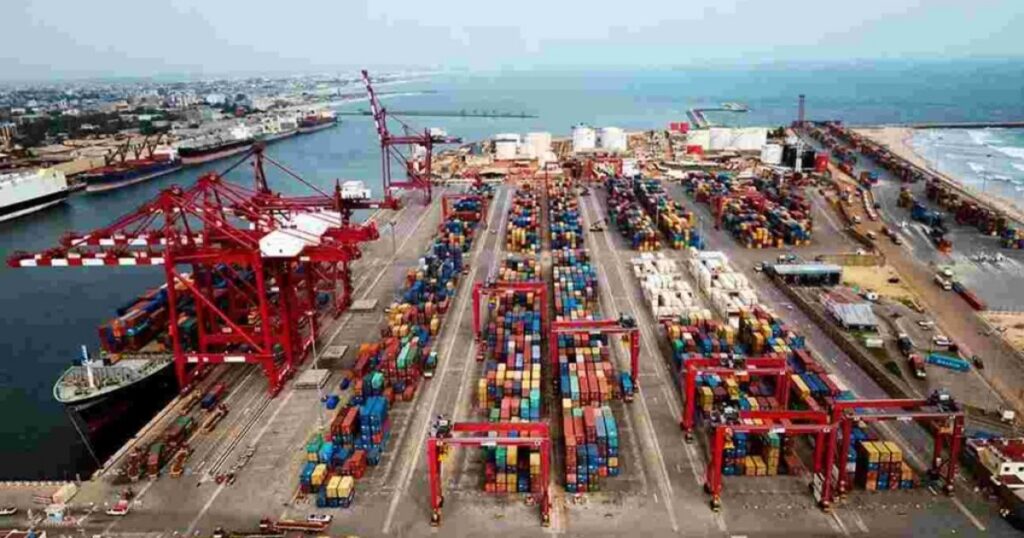
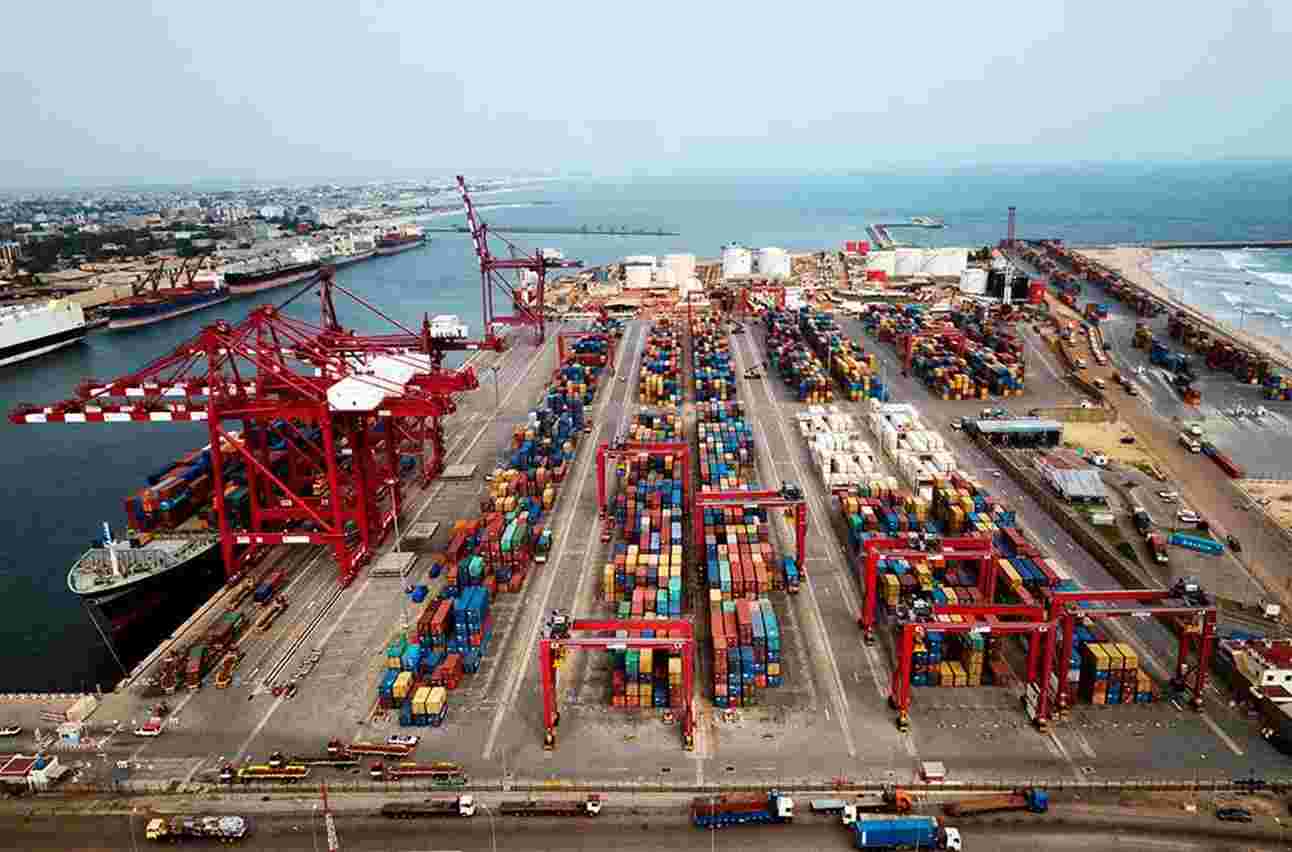
Benin’s port sector, anchored by the Port Autonome de Cotonou, serves as a gateway for regional trade. A skilled workforce is essential to:
- Enhance operational efficiency, reducing bottlenecks and increasing throughput.
- Create high-quality employment for young professionals entering the job market.
- Support digital transformation in port logistics, aligning with global best practices.
If successfully implemented, CAP-PORT has the potential to significantly boost Benin’s position as a competitive trade hub in West Africa. However, the initiative’s success hinges on transparent execution, measurable outcomes, and timely deployment of resources.
Historical context: Luxembourg-Benin cooperation
This investment builds on a long-standing partnership between Luxembourg and Benin, characterized by mutual investments in education, infrastructure, and sustainable development. With €95 million currently allocated across various projects, CAP-PORT represents one of the largest single commitments in recent years.
The timing of the announcement—during a high-profile international forum—underscores both governments’ intent to position this initiative as a model for regional collaboration in vocational training and port modernization.