Libya-Cameroon air link: Technical teams activated as Tripoli pushes direct flights
Yaoundé has set up dedicated technical teams to study Libya’s proposal for a direct air route between Tripoli and Cameroon. The move follows a high-level meeting on September 23, 2026, between Cameroon’s Transport Minister Jean Ernest Masséna Ngallè Bibehè and a Libyan delegation led by Adel Shawi, chargé d’affaires at the Libyan Embassy in Cameroon.
The discussions centered on operationalizing a Tripoli-Yaoundé air corridor, with both sides agreeing to intensify preparatory work and identify concrete implementation pathways. The proposal is seen as a potential catalyst for strengthening economic and logistics ties between the two nations.
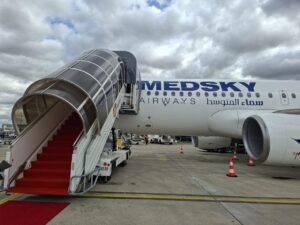
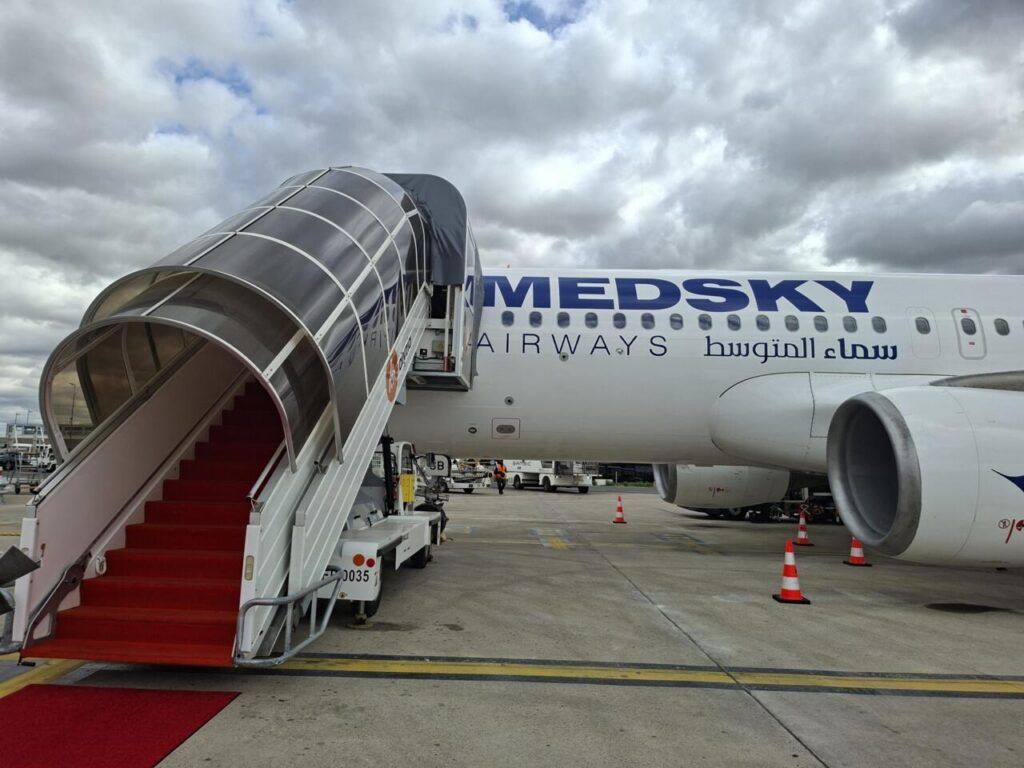
Meanwhile, MesSky—Libya’s national carrier—launched direct flights from Tripoli to Paris on September 17, 2026, with additional routes planned from Benghazi. This expansion coincides with Libya’s gradual reopening of its airspace, despite lingering security concerns that continue to impact regional travel.
Government response and next steps
The Cameroonian government has expressed openness to initiatives that could enhance air connectivity with Tripoli. The technical groups are tasked with assessing feasibility, safety protocols, and trade facilitation potential. Key priorities include:
- Evaluating bilateral aviation agreements
- Identifying passenger and cargo demand
- Assessing security and regulatory compliance
- Proposing phased route implementation
Economic and geopolitical implications
If realized, a direct Tripoli-Yaoundé route could streamline trade flows between Central Africa and North Africa, reducing reliance on trans-Saharan connections. Analysts highlight potential benefits for:
- Trade corridors: Faster movement of goods between Cameroon’s ports and Libyan markets
- Tourism: Easier access for travelers between both regions
- Logistics hubs: Strengthened regional aviation networks
However, challenges remain, particularly around airspace safety and infrastructure maturity. The Libyan delegation emphasized Tripoli’s commitment to restoring normal flight operations, but experts caution that progress will depend on sustained stability and international oversight.
What’s next for Cameroon-Libya aviation?
The technical teams are expected to deliver preliminary reports within 60 days, with a joint roadmap slated for finalization by year-end. Both governments have pledged to prioritize dialogue over bureaucratic delays, signaling a pragmatic approach to regional integration.
The outcome could set a precedent for similar corridors across the Sahel, positioning Cameroon as a key transit hub for North-South connectivity in West and Central Africa.