Togo
Lomé, Togo – A new wave of digital enthusiasm is sweeping through the capital as the Lomé Digital School’s Summer Camp introduces young minds to the frontiers of technology. From constructing robots to crafting initial lines of code and delving into artificial intelligence, this program is meticulously designed to cultivate the innovators who will shape tomorrow’s world.
At just 14 years old, Winner demonstrates remarkable dexterity, skillfully handling motors, grippers, and electronic circuits. She is among two dozen children immersed in this Lomé Summer Camp, where they are mastering the fundamentals of robotics by assembling their very first prototypes. Here, technology isn’t merely observed; it’s dismantled, experimented with, and built from the ground up, even for the youngest participants.
“I’m building a robotic hand using grippers and a motor ‘brain’,” Winner Koudjra, a participant, explained. “Since the activities began, I’ve grasped the significance of technology in today’s world and learned about the components that make up a robotic hand or other tech devices.”
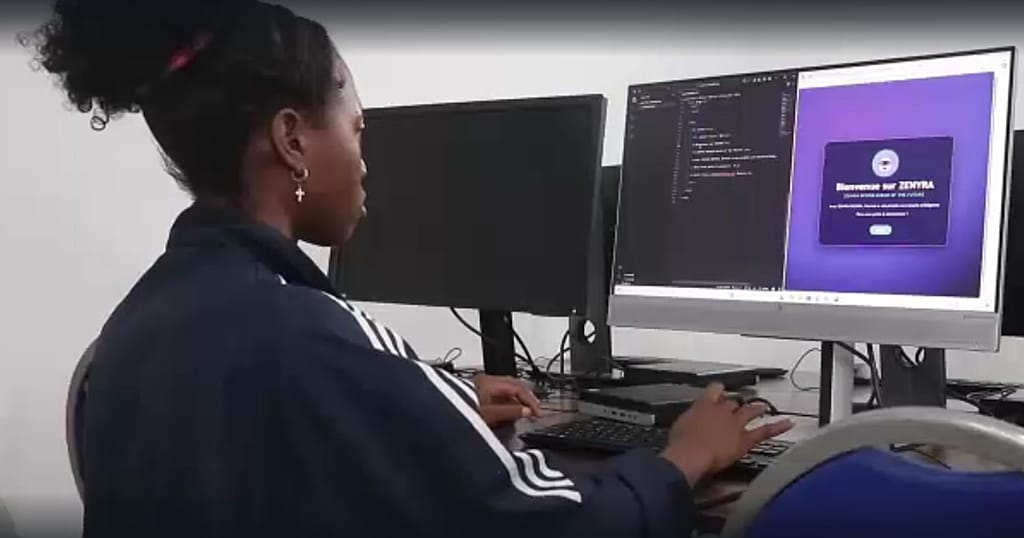
Robotics serves as just the initial phase. A few hours later, Winner transitioned to a different classroom, shifting from hardware to software with a keyboard at her fingertips.
“We are working on modifying a webpage to create artificial intelligence,” the young woman added. “Thanks to what I’m learning here, I aspire to build my own website.”
Beyond just teaching code, the school is committed to narrowing the digital divide between girls and boys. UNESCO data indicates that women still constitute only 35% of STEM graduates globally, and a mere 26% of professionals in data science and artificial intelligence. To address this disparity, the program prioritizes gender parity and offers scholarships to children from economically disadvantaged families.
Got’liebe Bataba, the director of Lomé Digital School, emphasized, “Our core philosophy is to ensure girls gain early exposure to these tools, so that in the future, we won’t need to impose quotas in the digital sector. Beyond technical skills, we aim to cultivate critical thinking in these children.”
Vanessa Lawson, a parent of a participant, praised the initiative, stating, “I believe this is a wonderful opportunity and an initiative that deserves commendation. It allows our children to be introduced to all aspects of technology at an early age.”
The vision extends beyond merely teaching digital literacy; it is about empowering the next generation to conceive and develop African solutions for the challenges of tomorrow.