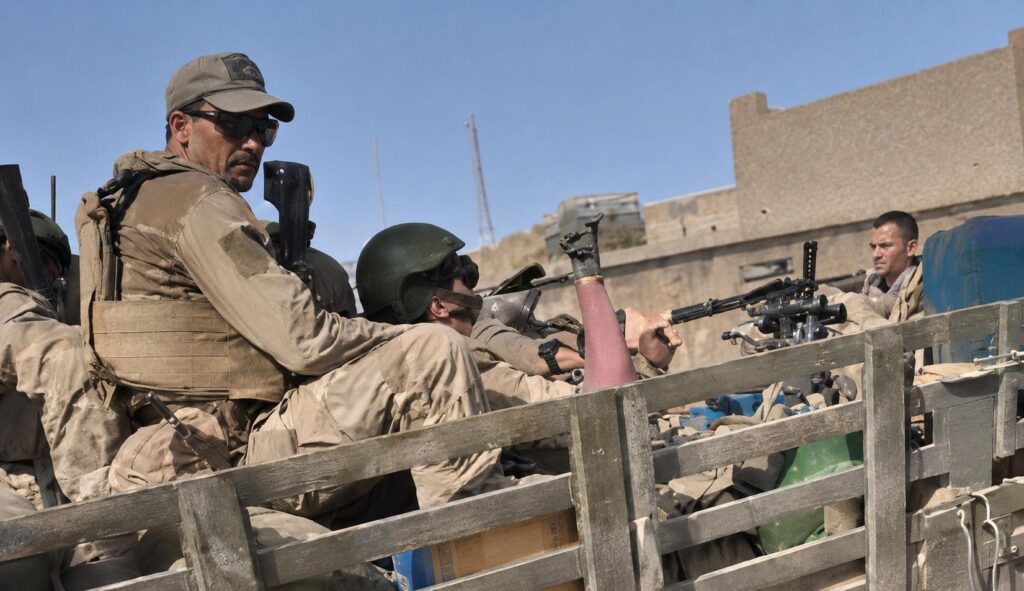
April 26, 2026, marks a somber chapter for Mali. On this date, Kidal, a city Bamako viewed as a symbol of its reasserted power, once again fell into rebel hands. Yet, the military defeat wasn’t the sole shock; it was the behavior of Russian elements from Africa Corps (formerly Wagner). As intense fighting raged, they chose to negotiate their own escape rather than engage in combat.
A sweeping offensive that overwhelmed everything
The weekend of April 25 witnessed a rapid escalation. A formidable alliance comprising FLA rebels and JNIM jihadists launched widespread assaults across the nation, from Kati to Gao. Their objective was clear: overwhelm the national army to facilitate the capture of Kidal.
Confronted by this ‘tempest,’ the Russians, who had presented themselves as invincible warriors, succumbed to panic. Instead of mounting a counter-offensive, their priority shifted to self-preservation.
The controversial ‘corridor’: negotiating with the adversary
What truly astonished many was the revelation that Russian commanders directly engaged in discussions with the rebel factions to secure their unhindered departure from the city.
- The arrangement: Russian forces relinquished their positions and a significant portion of their heavy weaponry. In return, the rebels guaranteed them a ‘corridor’ – a safe passage – to retreat towards Gao, taking their wounded with them.
- Abandonment of Malian forces: This swift departure, officially termed a ‘repositioning,’ left the Malian Armed Forces (FAMa) isolated. They found themselves without air support or logistical aid, stranded in the heart of an active conflict zone.
The shattering of an illusion
This incident starkly exposed the fundamental limitations of the Russian mercenary presence. In Kidal, their conduct wasn’t that of loyal allies, but rather of private contractors prioritizing their own assets and personnel.
- Profit over partnership: Russia’s engagement in Mali is driven by political influence and access to gold mines. When combat risks become too high or costs too prohibitive, they withdraw, even if it means humiliating the Malian government.
- Questionable connections: Some reports even suggest that Russian elements communicated with jihadist groups to maintain neutrality during the final assault. This raises a critical question: can one truly trust a partner who engages with those they are supposed to be combating?
The lesson from Kidal
The withdrawal from Kidal in April 2026 effectively shattered the myth of the ‘Russian solution.’ By opting to safeguard their own lives over defending the city, Russian forces demonstrated their unreliability as long-term security partners.