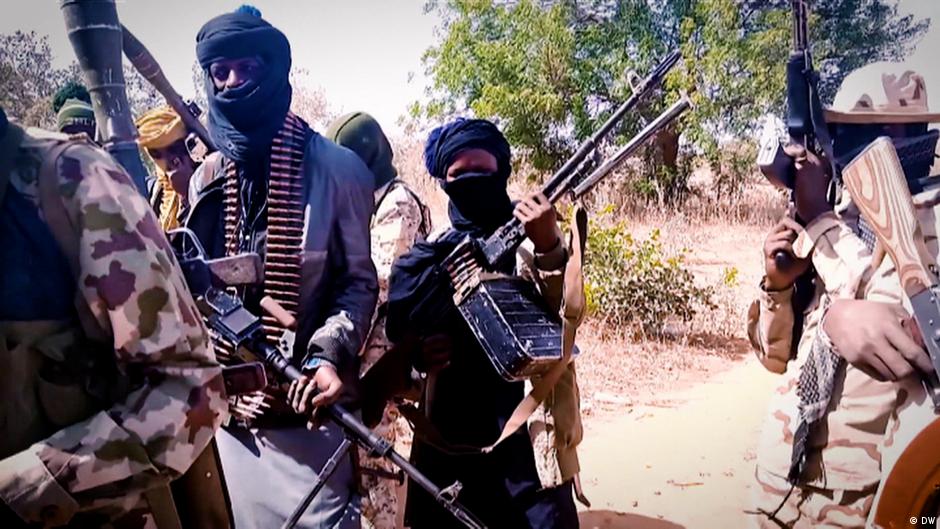
Kidnapping has evolved into a highly organized revenue stream for Boko Haram, fueling its insurgency across West Africa. This lucrative criminal enterprise stretches from Nigeria’s northern states to neighboring Chad, Niger, and Cameroon, where armed factions systematically target civilians, schools, and border communities.
Exploiting fear: the scale of kidnappings
Nigeria bears the heaviest toll, with 4,700 people abducted in 900 incidents between July 2024 and June 2025 alone. Security analysts describe this as a structured industry, where schools and transportation routes emerge as primary hunting grounds. While Nigeria’s northeastern Borno state remains the epicenter, kidnappings have spilled into central regions and neighboring countries.
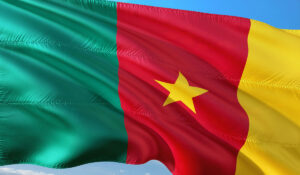
In Cameroon’s Far North, Boko Haram militants stormed a bus in Ziguagué last year, abducting passengers. In Niger, seven Chadian nationals were seized near the border in March, with one victim killed during the operation. The remaining hostages remain in captivity, with ransom demands reaching 50 million CFA francs for five individuals—500 million for the sole doctor among them.
From coercion to cash: how kidnappings fund terrorism
Researcher Remadji Hoinathy of the Institute for Security Studies explains the dual purpose behind these abductions: “These operations serve both recruitment and economic exploitation. Young men are forced into combat roles, women and entire communities face enslavement or sexual exploitation, while ransom payments provide the group with critical funding.”
Ransom demands vary dramatically. Nigerian authorities reportedly paid $6 million in 2025 to secure the release of 230 Catholic school students and staff in Niger state—a figure disputed by some analysts who estimate the total closer to $1.3 million. The Nigerian government denies direct payments, attributing rescues to intelligence operations, though critics argue such denials may serve to counter terrorist propaganda.
The Lake Chad basin: Boko Haram’s strategic hub
Boko Haram originated in 2002 in Maiduguri, Borno state, under the leadership of Mohammed Yusuf. Rejecting Western education and governance, the group declared its intent to establish an Islamic caliphate. Over time, its influence expanded across the Lake Chad basin—a transnational region encompassing parts of Nigeria, Niger, Chad, and Cameroon.
Hoinathy highlights three key advantages this area provides: “Its porous borders facilitate arms smuggling from Libya, while weak state presence creates fertile ground for insurgent operations. The region’s agricultural and pastoral economy sustains local trade networks, and the dense terrain—marshes, forests, and islands—offers ideal hiding spots during military crackdowns.”
The ISWAP split: a deadlier rival emerges
In 2016, Boko Haram fractured when dissident factions, led by Abubakar Shekau’s successor, rejected his indiscriminate violence against civilians—including fellow Muslims. These disaffected members pledged allegiance to the Islamic State, forming ISWAP (Islamic State’s West Africa Province).
Unlike its parent group, ISWAP prioritizes strategic alliances with local populations over sheer brutality. This approach has allowed it to consolidate control in certain areas, sparking violent clashes with Boko Haram as both factions vie for dominance in the Lake Chad region.
Regional responses: military and beyond
Governments have responded with both force and development initiatives. The Multinational Joint Task Force (MNJTF), comprising troops from Nigeria, Niger, Chad, Cameroon, and Benin, conducts cross-border operations. Yet Hoinathy notes persistent challenges: “After over a decade of conflict, Boko Haram demonstrates remarkable adaptability. Military responses alone have proven insufficient against an enemy that continually regenerates and returns to the battlefield.”
International support, including the deployment of 200 U.S. troops to Nigeria in 2025, aims to bolster counterterrorism efforts. However, the humanitarian toll remains staggering: 40,000 deaths and two million displaced persons since 2009, according to UN estimates.