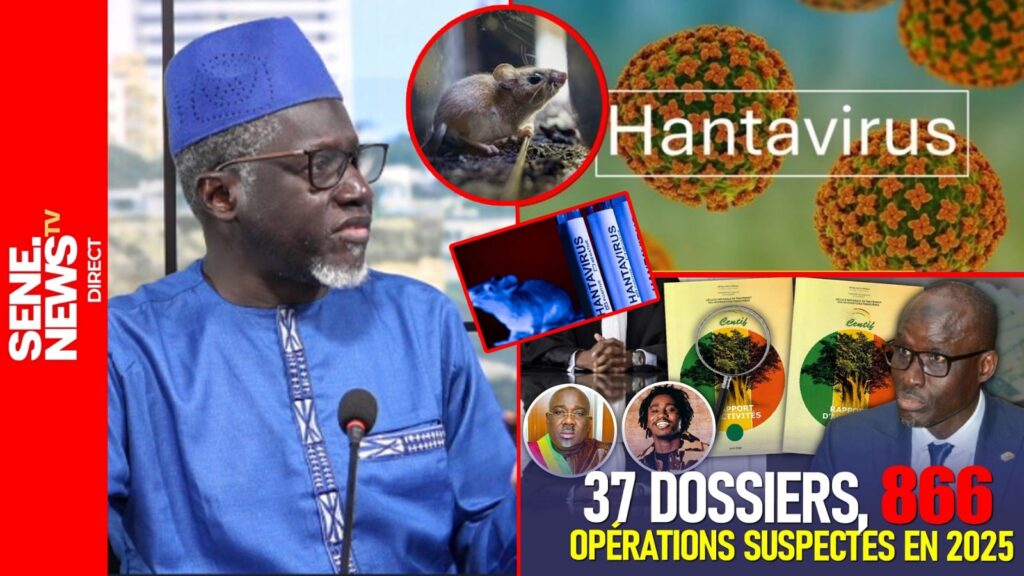
Senegal is currently grappling with a growing hantavirus outbreak, raising widespread concern among citizens and health officials alike. The situation has intensified scrutiny on the nation’s preparedness and response strategies. Meanwhile, the country’s escalating public debt has triggered sharp criticism, with many questioning the long-term sustainability of its financial commitments.
Controversy has also erupted over media coverage, particularly following a broadcast that framed the health crisis and economic challenges in ways some find misleading or sensationalized. The discussion has sparked public debate about journalistic ethics and the role of international outlets in influencing local perceptions of national issues.
Health emergency deepens amid rising financial pressures
The hantavirus outbreak has become a focal point of national discourse, with health experts warning that rapid transmission could overwhelm the healthcare system. Authorities have urged vigilance, emphasizing the need for preventive measures such as rodent control and public awareness campaigns. Yet, the urgency of the health crisis has been compounded by an equally pressing concern: the country’s soaring national debt.
Economists highlight that debt servicing is consuming an increasing share of the national budget, limiting funds available for healthcare, education, and infrastructure. Critics argue that the current trajectory is unsustainable, while officials defend borrowing as a necessary tool for development. This financial strain has added another layer of complexity to the nation’s challenges.
Media portrayal under fire as public trust wavers
Tensions have flared over how the hantavirus outbreak and debt crisis are being presented in international media. A recent broadcast drew backlash for its portrayal of events, with viewers and commentators questioning the accuracy and framing of the report. The discussion has reignited debates about foreign media’s responsibility in covering African nations, particularly during crises.
Public sentiment is divided. Some argue that international coverage brings much-needed attention to pressing issues, while others believe it unfairly amplifies problems without providing balanced context. The controversy underscores the delicate balance between transparency and sensationalism in global reporting.
What’s next for Senegal?
As the nation navigates these dual crises, the path forward remains uncertain. Health officials are working to contain the hantavirus outbreak, but their efforts are hampered by budget constraints. Meanwhile, policymakers face mounting pressure to restructure debt and prioritize investments that bolster public welfare.
The coming weeks will be critical in determining whether Senegal can address both the health emergency and financial instability without further destabilizing its economy or eroding public confidence.