The Gabonese government has officially unveiled its 2026-2035 energy masterplan during a high-profile gathering in Cape Town, positioning the nation as a key player in Africa’s evolving energy landscape. Led by Minister of Universal Access to Water and Energy Philippe Tonangoye, the delegation outlined strategic priorities to an audience of over 45 nations, international financial institutions, specialized funds, and leading industry operators. The central ambition: securing a significant share of the continent’s burgeoning energy investment flows while reinforcing Gabon’s energy sovereignty.
Decadal roadmap targets energy deficit and rural electrification
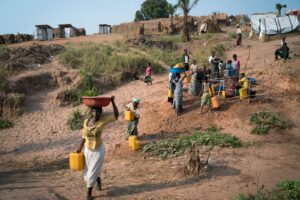
Spanning a decade, the blueprint outlines a comprehensive strategy to reshape Gabon’s energy mix and bridge critical infrastructure gaps. While hydropower and thermal plants currently dominate the nation’s electricity production, authorities are pushing for diversification to ensure reliable, affordable power nationwide. Access to electricity remains uneven, with rural areas lagging far behind urban centers in connectivity rates—a disparity the government aims to address through accelerated grid expansion and off-grid solutions.
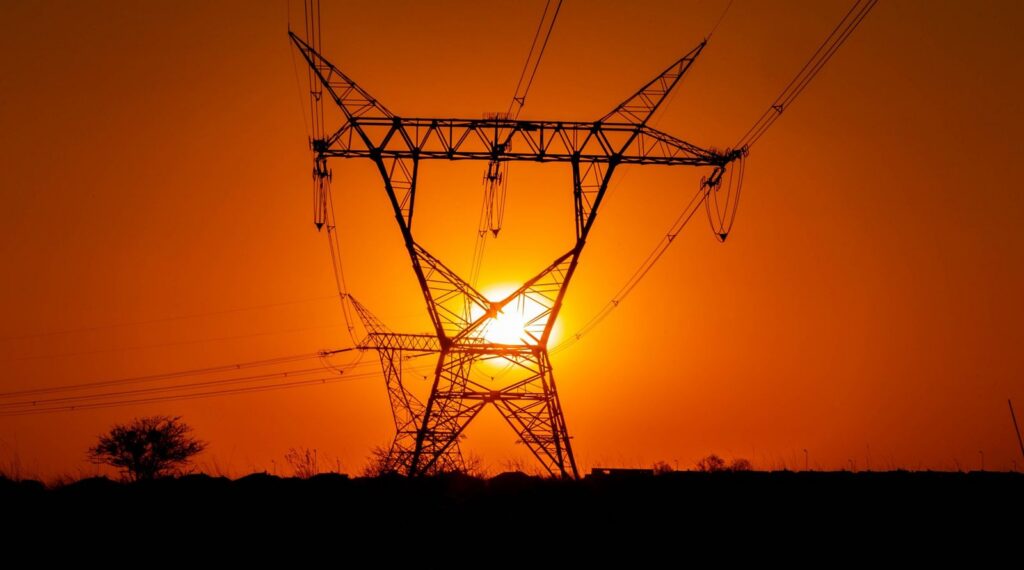
A three-pronged approach underpins the plan: scaling up installed capacity, modernizing aging transmission and distribution networks, and deploying decentralized energy systems for remote communities. This integrated strategy seeks to make universal electricity access not just a policy goal but a tangible reality by 2035. The blueprint also emphasizes reducing technical losses—a persistent challenge undermining service quality across the existing grid.
Cape Town forum as a magnet for global investors
The selection of the African Energy Forum in Cape Town was deliberate. The event annually gathers policymakers, multilaterals, and private investors shaping the continent’s energy future. For Gabon, constrained by tight fiscal margins and elevated public debt, securing concessional financing and private capital is essential to fund its decade-long transformation. Minister Tonangoye leveraged the platform to showcase high-potential investment avenues, spanning renewable energy development to transitional thermal projects.
The nation’s untapped hydroelectric potential—estimated in multiple studies at several gigawatts—and substantial solar resources in select regions present compelling opportunities. Additionally, natural gas, particularly its localized utilization for power generation, has been identified as a strategic transition fuel. The presence of international financiers and infrastructure funds at the forum provides Libreville with a direct channel to initiate bilateral negotiations, though converting plans into bankable projects will require robust regulatory frameworks, competitive tenders, and transparent pricing structures to meet investor expectations.
Balancing energy independence with climate commitments
Embedded in a broader push for economic sovereignty during the transition period, the energy plan serves as a linchpin for industrial development. Reliable, competitively priced electricity is vital for scaling up local value chains in timber, mining, and hydrocarbon processing—sectors the government aims to upgrade. Yet this drive must coexist with Gabon’s climate pledges, including its reputation as a leader in forest conservation.
Over the next decade, policymakers will need to strike a delicate balance: accelerating renewable energy deployment while ensuring grid stability through transitional thermal capacity. The Cape Town forum served as a public forum to test investor appetite for Gabon’s energy market, setting the stage for future funding rounds and project launches.