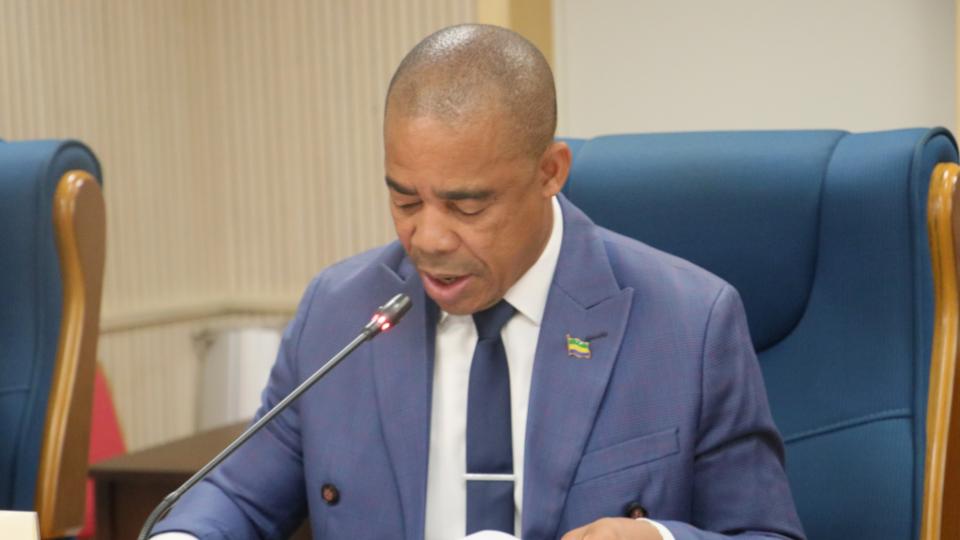
Gabon is taking a decisive step to regulate major social media platforms operating within its borders. The Senate in Libreville recently reviewed a government-backed bill aimed at closing a long-standing legal gap that has left the country without direct oversight of foreign tech companies. At the heart of the proposal is a requirement for every major platform—such as TikTok, Facebook, and X (formerly Twitter)—to designate a legal representative residing in Gabon.
Until now, these global giants have operated without any official local contact, making it nearly impossible for authorities to engage in institutional dialogue on judicial requests, content moderation, or cybersecurity. By mandating a local representative, Libreville seeks to rebalance what has historically been an uneven power dynamic, drawing inspiration from stricter regulations already in place in Brazil and the European Union.
This push comes at a time of heightened national tension. Since February 2025, the government has repeatedly cut or restricted access to social networks, citing public order concerns. However, Gabonese internet users have widely adopted VPNs to bypass these blocks, rendering the measures partially ineffective.
Balancing public security and fundamental freedoms
Supporters of the law argue it is essential for establishing genuine digital sovereignty, following similar initiatives in Nigeria and Kenya. At the Senate, the arguments presented span child protection, combating hate speech, and fighting disinformation.
Yet civil society groups are raising alarms. Many fear the legislative package could become a tool for censorship, stifling freedom of expression—a delicate balance in Africa’s democratic transitions. Observers are keenly watching what penalties will be imposed for non-compliance.
The economic attractiveness challenge
The success of this standoff will hinge on the response from tech giants like Meta and ByteDance. For these web empires, Gabon’s market—home to roughly 2.5 million people—holds limited economic weight. If the regulation proves too rigid, it could deter tech investors, especially in Central Africa’s data center sector. Conversely, a balanced framework could boost Libreville’s international standing. Parliamentary debates indicate the government is determined to move forward quickly.