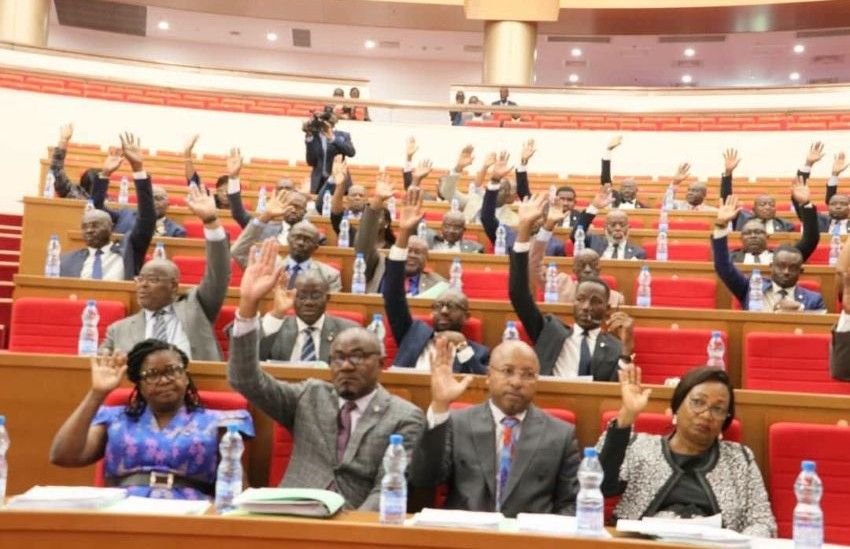
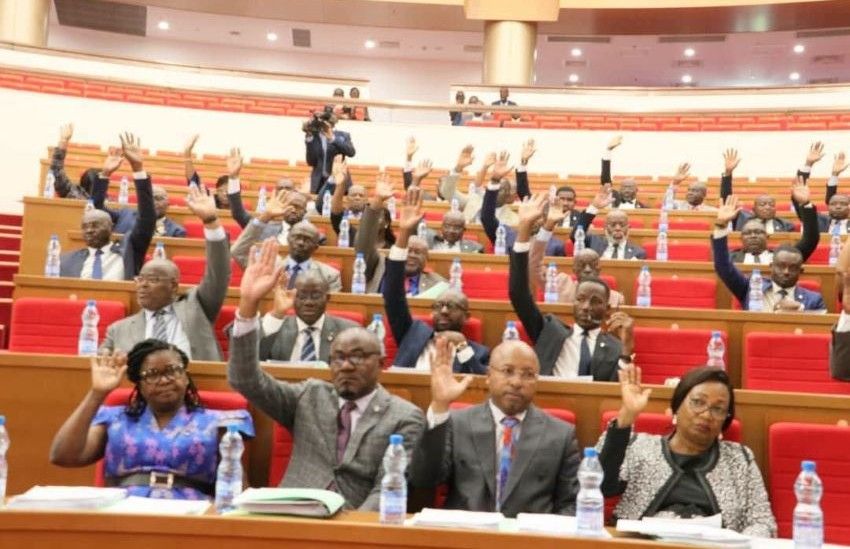
In a decisive move for the nation’s future, the National Assembly of Gabon recently passed eighteen separate pieces of legislation during a single plenary session. This unanimous vote serves as a powerful political indicator, signaling a rapid acceleration of the institutional restructuring currently underway within the Vth Republic.
A comprehensive framework for modern governance
Presided over by Michel Régis Onanga M. Ndiaye at the Palais Léon-Mba, the session saw deputies endorse a diverse array of reforms. These new laws cover critical sectors including digital technology, land ownership, media regulation, and national security. The sheer volume and variety of the texts processed in one sitting highlight a coordinated effort to modernize the Gabon administrative architecture.
Key pillars of the new legislation
Among the most significant updates is the reform of the Haute Autorité de la Communication (HAC). This body is now poised to play a more robust role in managing a media landscape transformed by digital expansion and the rapid spread of information. Additionally, the ratification of a new Nationality Code provides Gabon with a modern legal tool to address contemporary issues of identity and mobility.
The assembly also focused on land property regulations. By securing land rights, the government aims to create a more stable environment for urban development and wealth creation, which are vital components for any emerging economy seeking to attract sustainable investment.
Strengthening the rule of law and economic appeal
This legislative surge is about more than just technical adjustments; it represents a commitment to the rule of law. By aligning legal instruments with current social and technological realities, Gabon is positioning itself as a more competitive destination for international investors. Regulatory clarity and legal certainty are often the primary factors considered by global partners when evaluating institutional quality.
Government representatives praised the responsibility shown by the deputies during these deliberations, noting the high level of coordination required to advance such structural reforms. However, the success of these laws now moves into a more difficult phase: practical application. The effectiveness of this new legal arsenal will depend entirely on how well administrations and courts integrate these rules into daily operations.
As the current session nears its end, eight additional bills are still being scrutinized by parliamentary committees. This ongoing work suggests that the legal foundation of Gabon will continue to expand, turning legislative modernization into a primary engine for the country’s social and economic progress.