The Sourou Province in the Boucle du Mouhoun region is facing a severe humanitarian crisis after militants from the Group for the Support of Islam and Muslims (JNIM) issued a 48-hour ultimatum to residents of Sia, Konga, and Kwarémenguel. Fearing brutal reprisals, nearly all inhabitants abandoned their homes, livestock, and livelihoods, triggering an unprecedented wave of internal displacement.
a brutal tactic of terror
The method employed by the armed group is familiar yet devastating. In a coordinated operation, fighters arrived in the three villages, delivering a chilling message: evacuate immediately or face summary execution. With no means to resist, terrified families fled within hours, transforming the region’s dusty roads into a sorrowful procession of the dispossessed.
The haste of the evacuation left no room for preparation. Belongings were abandoned, fields left untended, and livestock—critical for pastoral communities—either driven off or left to wander. The psychological toll on families, many of whom had lived in these villages for generations, is immeasurable as they now wander toward uncertain safety.
a sacred celebration shattered
The timing of this displacement could not have been crueler. Tabaski, a cornerstone of Muslim tradition, is a time of unity, celebration, and sacrifice. Yet for the displaced residents of Sourou, the festival arrives with emptiness. Without homes, without livestock, and without the means to prepare, the joy of the occasion has been replaced by grief and hardship. The abandonment of livestock—once a symbol of wealth and sustenance—deepens the trauma, leaving families in a state of destitution just as the holy period begins.
the grim journey to overcrowded shelters
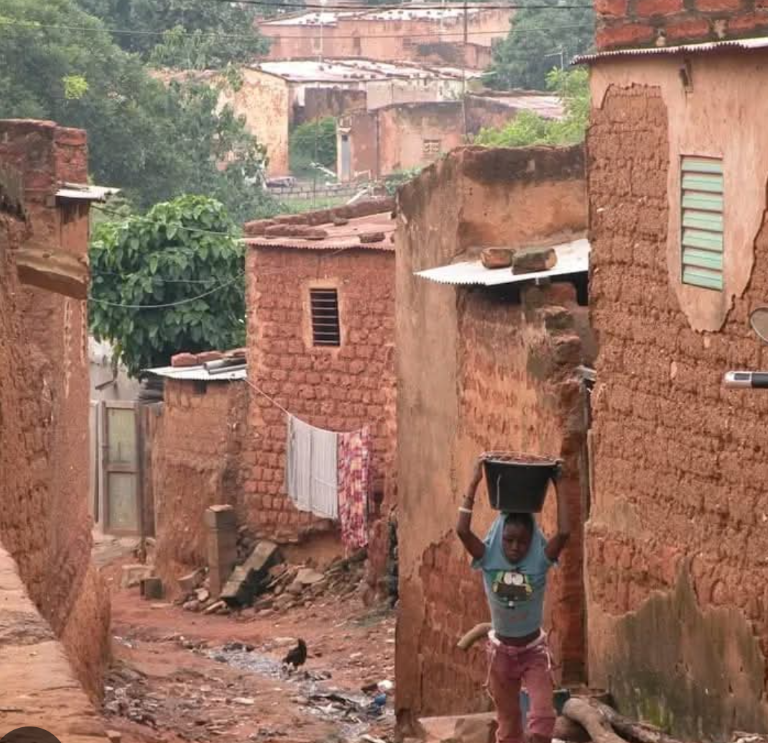
As thousands fled, their destination was clear: nearby urban centers like Tougan and Dédougou, where they hope to find refuge under the protection of Burkina Faso’s security forces. However, the sudden influx has overwhelmed local resources, stretching already strained humanitarian efforts to their limits. Shelters, once adequate for smaller waves of displaced persons, now struggle to accommodate the sheer volume of arrivals, many of whom arrive with nothing but the clothes on their backs.
The strain on local communities is palpable. While solidarity remains strong, the relentless pace of displacement is testing even the most resilient bonds of neighborly support. Food, water, and medical supplies are in high demand, and the strain on infrastructure is growing by the day.
a deliberate strategy to destabilize
The Sourou Province has long been a target of terrorist groups seeking to destabilize the region. By issuing simultaneous ultimatums to multiple villages, the JNIM is executing a calculated strategy to depopulate rural areas, sever communication routes, and create lawless zones where state authority cannot penetrate. The loss of agricultural land and livestock further exacerbates the country’s food security crisis, pushing communities deeper into vulnerability.
For the Burkinabè government, the challenge is twofold: reclaiming territory while providing urgent humanitarian relief. The situation demands not only a robust military response but also a sustained effort to restore dignity and stability to the displaced populations. As the nation grapples with this unfolding tragedy, the resilience of its people is being tested like never before.
The people of Sourou are not alone in their suffering. Their plight reflects a broader national crisis, one that demands urgent, coordinated action to break the cycle of violence and displacement.