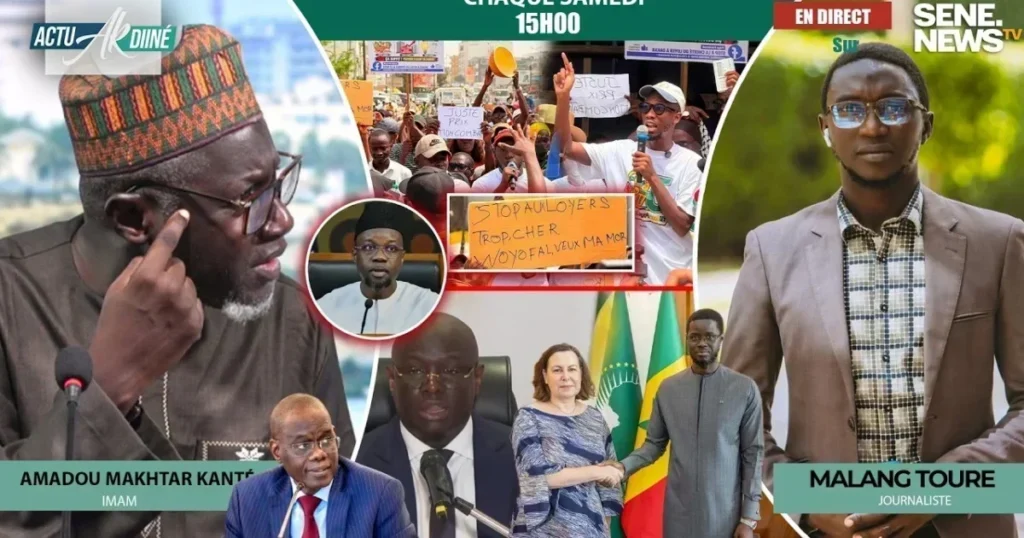
As debates intensify over financial resource management and economic sovereignty, this analysis sheds light on the decisions that lie ahead for Senegal.
The recent approval of a major loan from the International Monetary Fund has sparked widespread discussion about the country’s fiscal direction. At the heart of this conversation is Ousmane Sonko, whose ambitious projects and policy proposals are now under the spotlight.
Sonko, a prominent political figure, has long advocated for greater economic independence and a more assertive stance in international negotiations. His vision for Senegal involves restructuring key sectors and renegotiating external financial agreements to better serve national interests.
Critics and supporters alike are now weighing the potential implications of the IMF loan, which comes with conditions that could influence Sonko’s ability to implement his agenda. The tension between securing necessary funding and maintaining policy autonomy is a central theme in the current discourse.
Observers note that the loan’s terms may require adjustments to Senegal’s economic strategies, potentially clashing with Sonko’s proposed reforms. However, proponents argue that the influx of capital could provide the resources needed to kickstart infrastructure projects and social programs that align with his goals.
As the government navigates these complex dynamics, the public remains engaged, eager to see how these financial decisions will shape the nation’s future. The coming months will be critical in determining whether Sonko can translate his vision into tangible outcomes while managing the expectations of international partners.