The United Nations Human Rights Council’s investigative body probing violence in the Democratic Republic of the Congo’s eastern provinces has voiced serious concerns over mounting financial hurdles that threaten its operational capabilities.
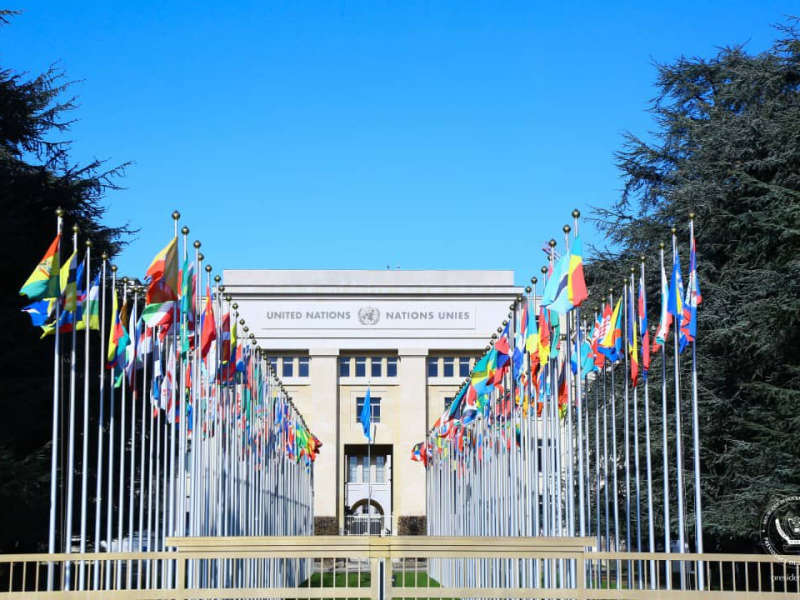
During a landmark presentation at the Human Rights Council in Geneva, the Independent Commission of Inquiry for North Kivu and South Kivu outlined the obstacles it faces while attempting to fulfill its mandate. The commission, created in February 2025 through UN resolution S-37/1, was established to investigate alleged human rights violations, including sexual and gender-based violence, crimes against displaced persons, and potential international crimes amid escalating hostilities since January 2025.
Financial Shortfalls Undermine Field Investigations
Arnauld Akodjenou, Chair of the Commission, highlighted how budgetary constraints imposed by the United Nations have directly impacted the commission’s ability to conduct thorough investigations. “The broader financial limitations facing the UN have severely restricted our operational capacity,” he stated. “This affects our deployable investigation teams, interpretation services, analytical support, mission financing, and sustained field presence.”
The commission had planned to visit conflict-affected areas in Goma and surrounding regions, but security and logistical challenges—exacerbated by financial shortages—have delayed these critical missions. Despite these setbacks, Akodjenou reassured that the commission remains fully committed to pursuing its mandate with independence, rigor, and urgency.
Humanitarian Access and Protection of Civilians
The commission underscored the urgent need for all parties involved in the conflict to facilitate unhindered humanitarian access, particularly for vulnerable groups such as women, children, the elderly, persons with disabilities, and displaced communities. “Humanitarian workers, medical personnel, and protection actors must be able to reach victims and affected communities safely,” Akodjenou emphasized, noting the critical importance of this access in the ongoing response to the Ebola outbreak in the region.
He also warned against intimidation or retaliation targeting victims, witnesses, human rights defenders, journalists, or community representatives collaborating with UN mechanisms. “No one should face threats or reprisals for engaging with the Commission or other UN bodies,” he declared.
Mandate and Mission: Seeking Justice and Root Causes
The Independent Commission of Inquiry was tasked with identifying those responsible for human rights violations and preserving evidence for potential prosecutions. Its mandate also includes examining the underlying causes of recurring violence in the region. Akodjenou stressed the importance of protecting the safety, dignity, and trust of victims and witnesses throughout the investigative process.
The commission’s work comes at a time of intense scrutiny, with recent reports documenting nearly 2,000 human rights violations and 260 cases of conflict-related sexual violence in the past six months. The M23-affiliated armed group (AFC/M23) has been identified as the primary perpetrator in many of these incidents.
International Call for Action
Akodjenou concluded by urging the international community to redouble its efforts to address the crisis. “The suffering we have witnessed demands sustained attention, rigorous investigations, and resolute international engagement,” he said. The commission’s findings are expected to play a pivotal role in holding perpetrators accountable and paving the way for lasting peace in the region.